
Sri Lanka culture blends more than 2,000 years of Buddhist heritage with Hindu, Muslim and Christian traditions and Portuguese, Dutch and British influences. The best cultural tours in Sri Lanka go beyond the ancient sites to living culture: temple ceremonies and full-moon Poya days, the Kandy Esala Perahera festival, Kandyan drumming and dance, traditional masks and crafts, village cooking and Ayurveda. Plan around a festival if you can, travel with an expert guide, and dress respectfully at sacred sites.
Many UK travellers come to Sri Lanka for the beaches and wildlife, and go home talking about the people and traditions. Flower offerings at a temple at dawn, the sound of drums at the Temple of the Tooth, a family inviting you in for tea: the island’s living culture is what makes a trip here so memorable.
This guide looks at the traditions, festivals, faiths and crafts that shape everyday life, and how to experience them respectfully on a tailor-made cultural tour. For the ancient cities and sites themselves, see our Sri Lanka Cultural Triangle guide.

Sri Lanka is home to several communities, each with its own traditions. The Sinhalese majority is mostly Buddhist, the Tamil community mostly Hindu, and there are long-established Muslim, Christian and Burgher (Portuguese and Dutch descent) communities. Centuries of trade and colonial rule added Portuguese words, Dutch forts and churches, and British tea estates and railways. The result is a culture that feels deeply rooted yet surprisingly varied. A single day can take you from a Buddhist temple to a Hindu kovil, a mosque and a colonial church.
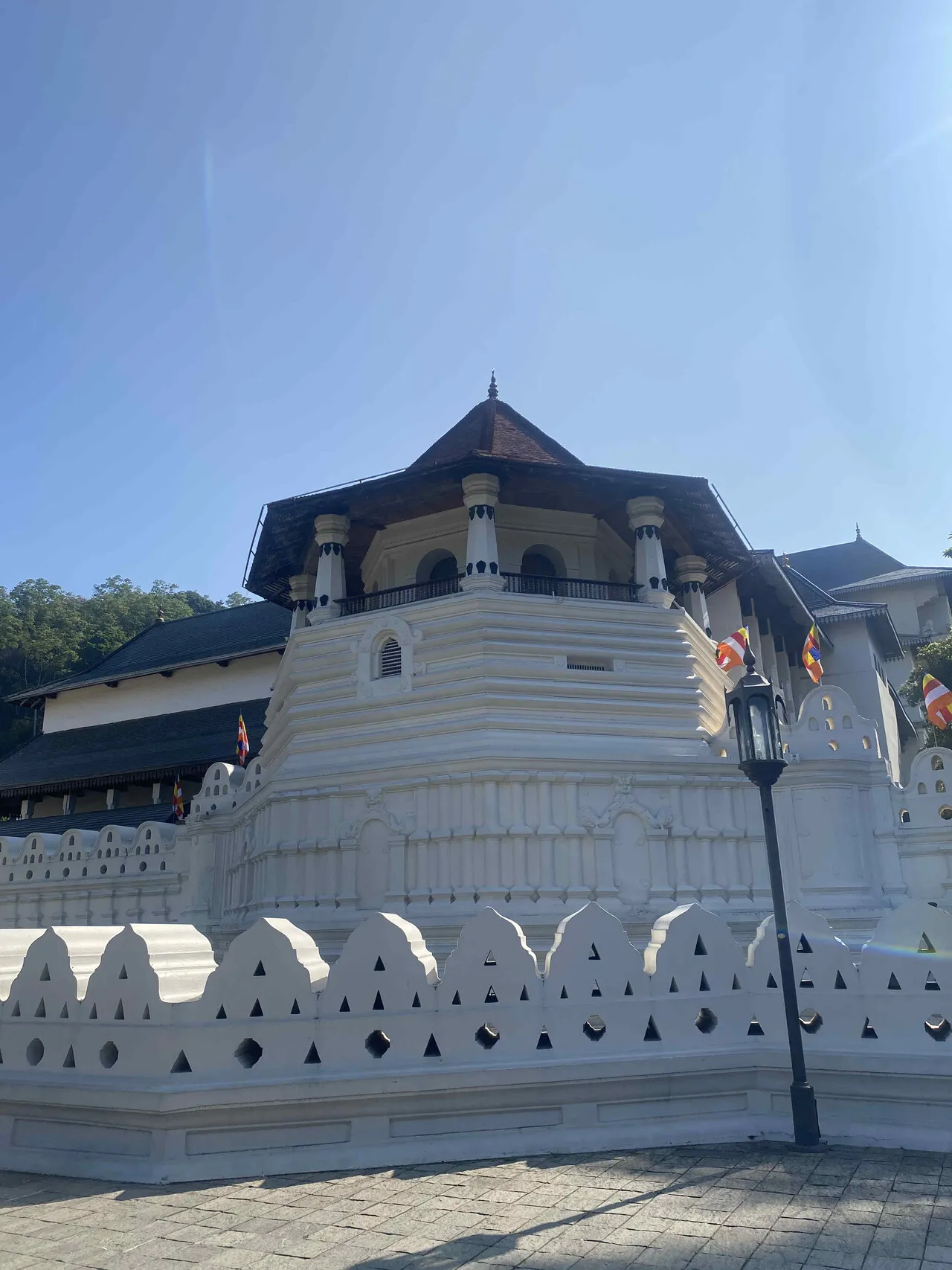
Sri Lanka and Buddhism have been closely linked since the 3rd century BC, when the monk Mahinda is said to have brought the teachings to the island at Mihintale. Today, Theravada Buddhism shapes daily life for most Sri Lankans. You’ll see white-clad worshippers offering lotus flowers, monks in saffron robes on their morning rounds, and small shrines at road junctions and in shops.
Every full moon is a Poya day, a public holiday when many people visit temples, wear white and observe Buddhist precepts. Alcohol and meat sales are generally restricted, so it’s worth knowing when one falls during your trip.

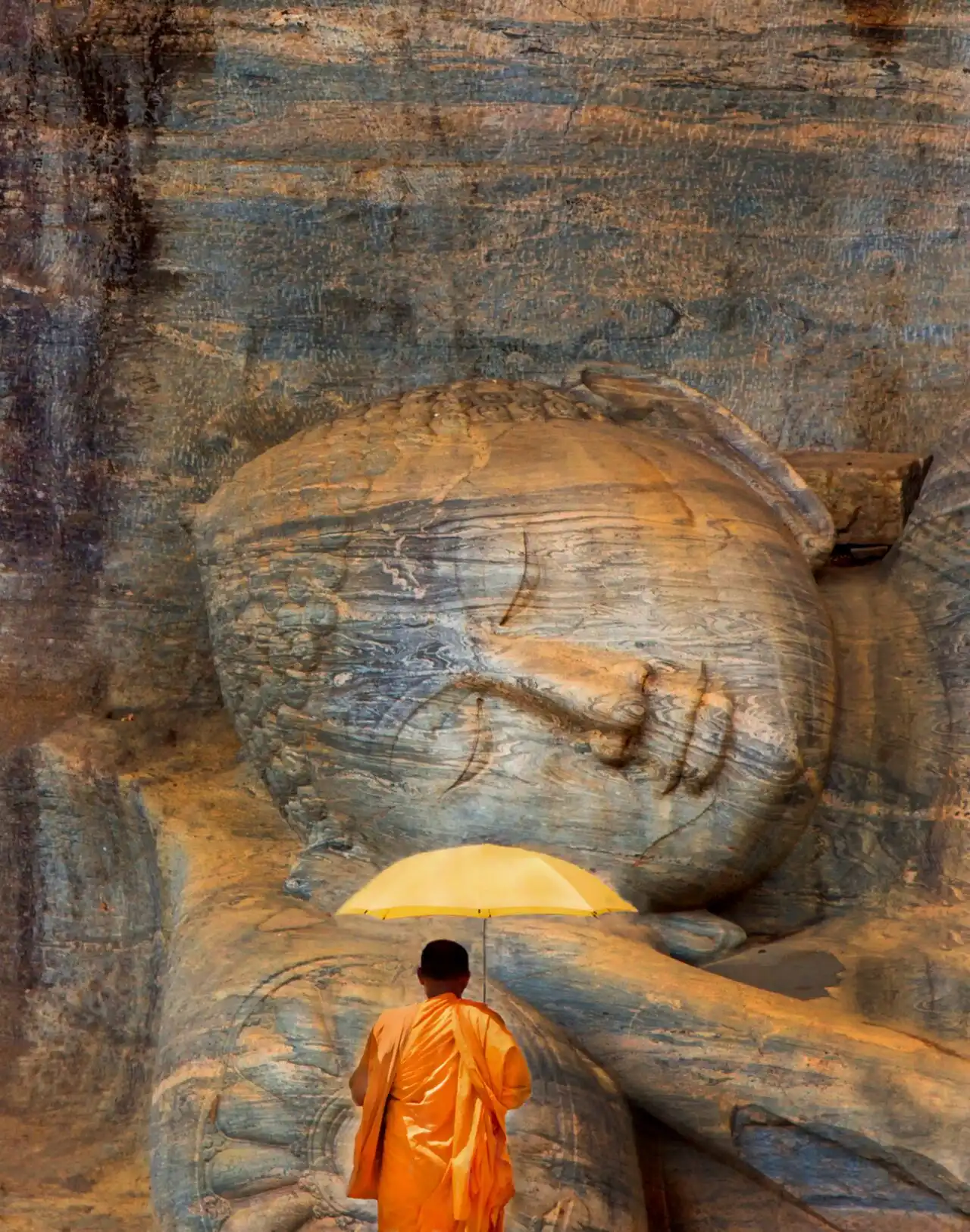
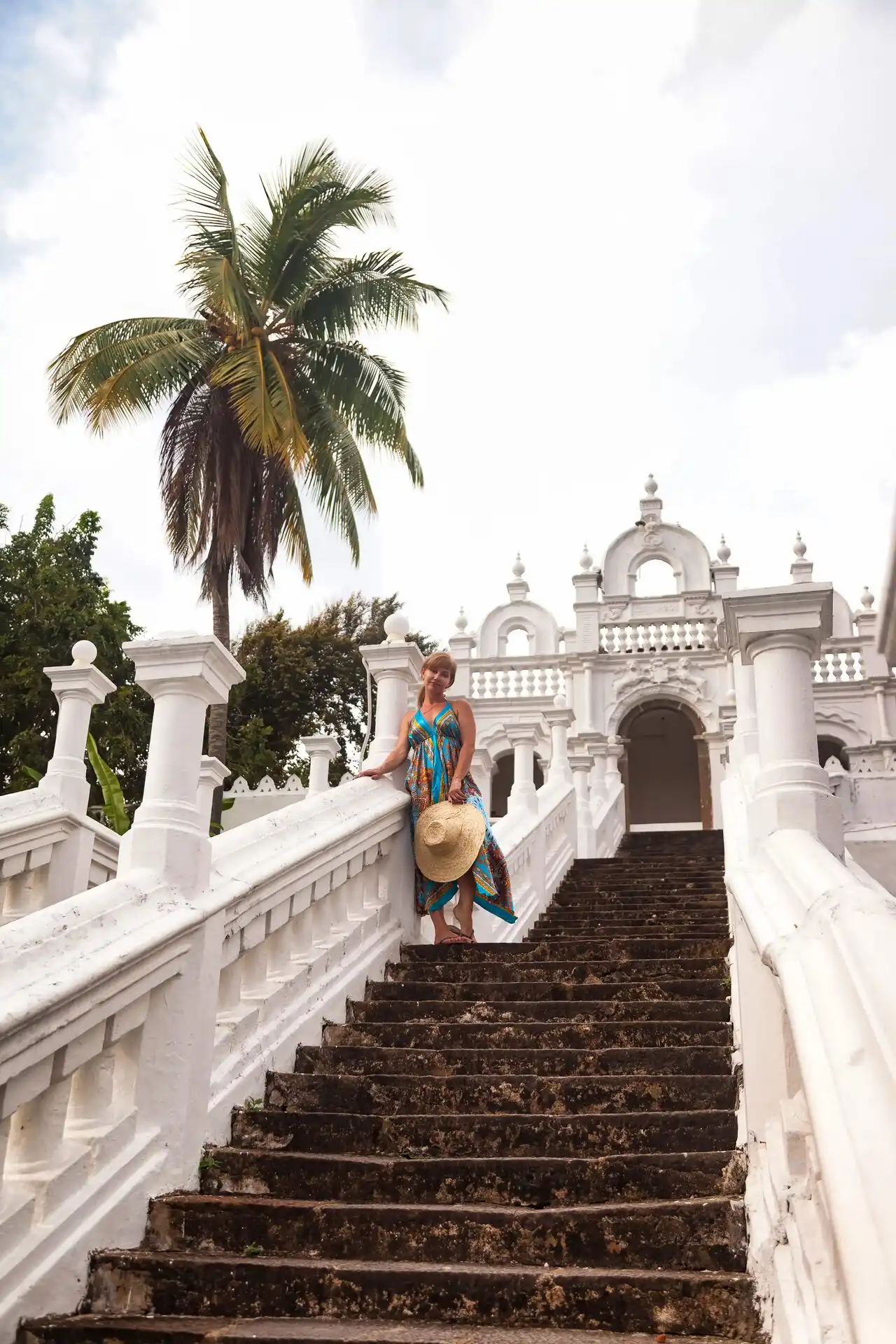
Culture in Sri Lanka isn’t confined to temples and museums. You’ll be greeted with “Ayubowan” (“may you live long”) and palms pressed together, or “Vanakkam” in Tamil areas. Tea is offered as a matter of course, and refusing a second cup is perfectly polite. Cricket is close to a national passion, and impromptu games fill beaches and village fields every evening. The head wobble usually means yes. Life runs at a gentler pace, and auspicious times chosen by astrologers still guide weddings, house-warmings and even the lighting of the New Year hearth. Ask your guide about these customs: most Sri Lankans love to explain them.
| Festival | When | What happens |
| Thai Pongal | January | Tamil harvest festival, celebrated with sweet rice |
| Sinhala and Tamil New Year | Mid-April | Family rituals, sweets and traditional games across the island |
| Vesak | May full moon | Lanterns, illuminated pandals and free food stalls celebrating the Buddha |
| Poson | June full moon | Pilgrimage to Mihintale, where Buddhism arrived |
| Kandy Esala Perahera | July or August | Ten nights of processions with elephants, drummers and dancers |
| Kataragama Festival | July or August | A multi-faith pilgrimage and procession |
| Deepavali | October or November | The Hindu festival of lights |
Festival dates follow the lunar calendar and change every year. Ask us for the exact dates when you plan your trip. The Kandy Esala Perahera is the most spectacular of all, and hotels in Kandy book up months ahead.
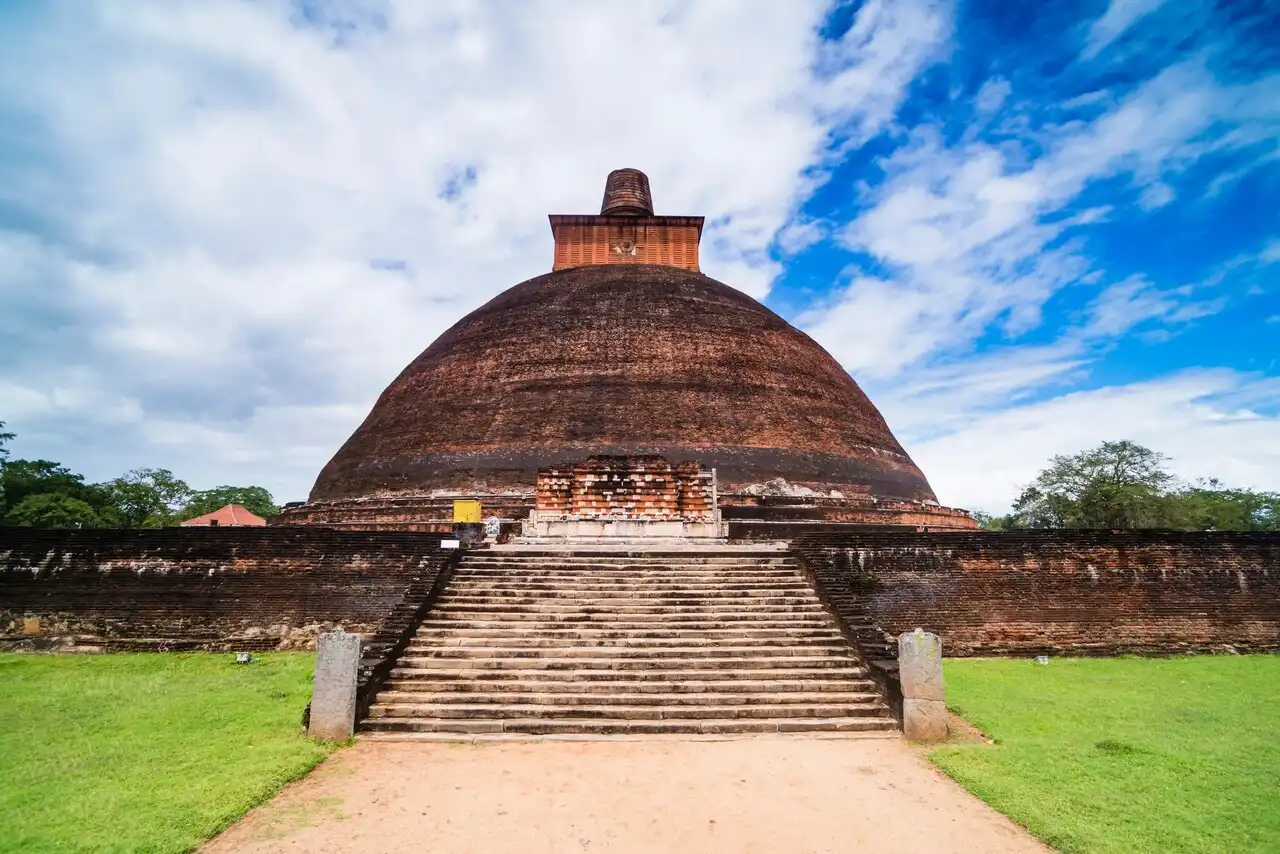
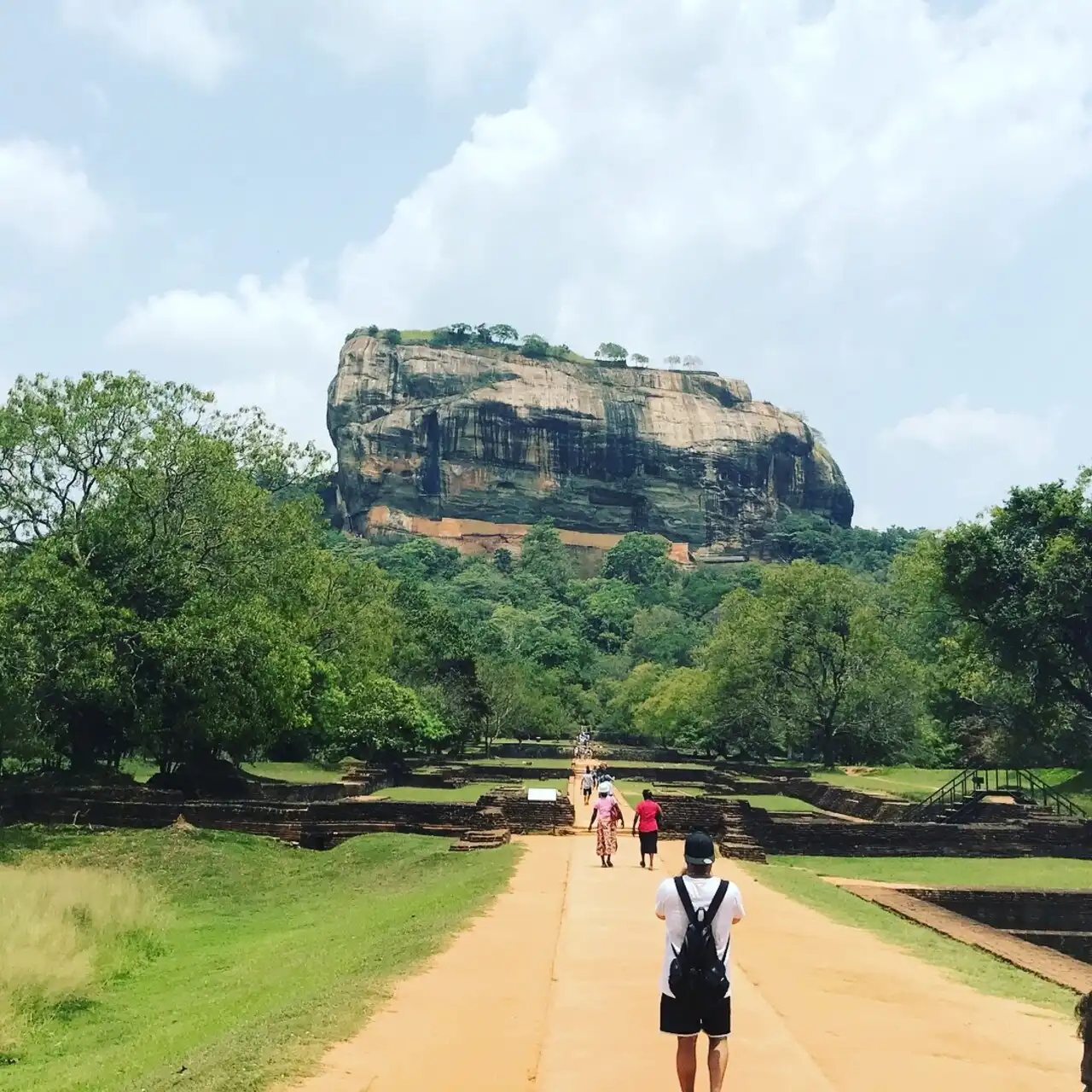

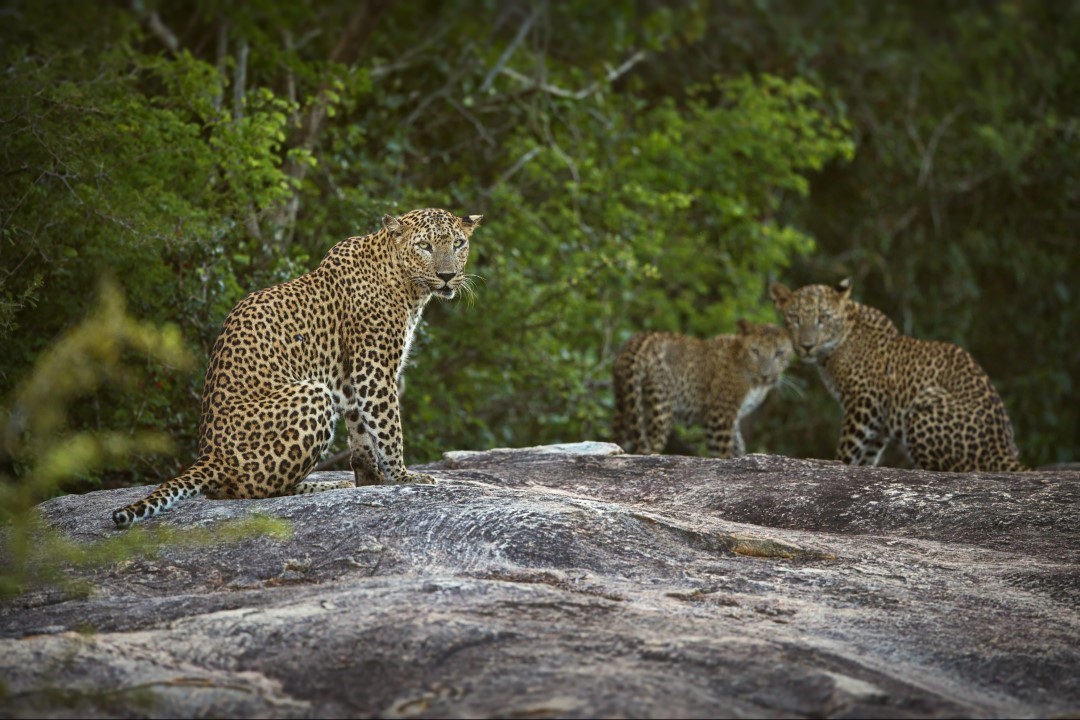

A cultural tour becomes truly special with access and expertise. Travel with a national guide or an archaeology specialist, visit sites early before the crowds, and stay in places that are cultural landmarks themselves: Amangalla inside Galle Fort, Geoffrey Bawa’s Lunuganga estate, a colonial manor house near Kandy, or a tea planter’s bungalow. Add a private Kandyan dance performance, a seat for the Esala Perahera arranged in advance, or a few days at a luxury Ayurveda retreat. Our guide to Sri Lanka luxury holidays has more ideas.




| Days | Where | Cultural highlights |
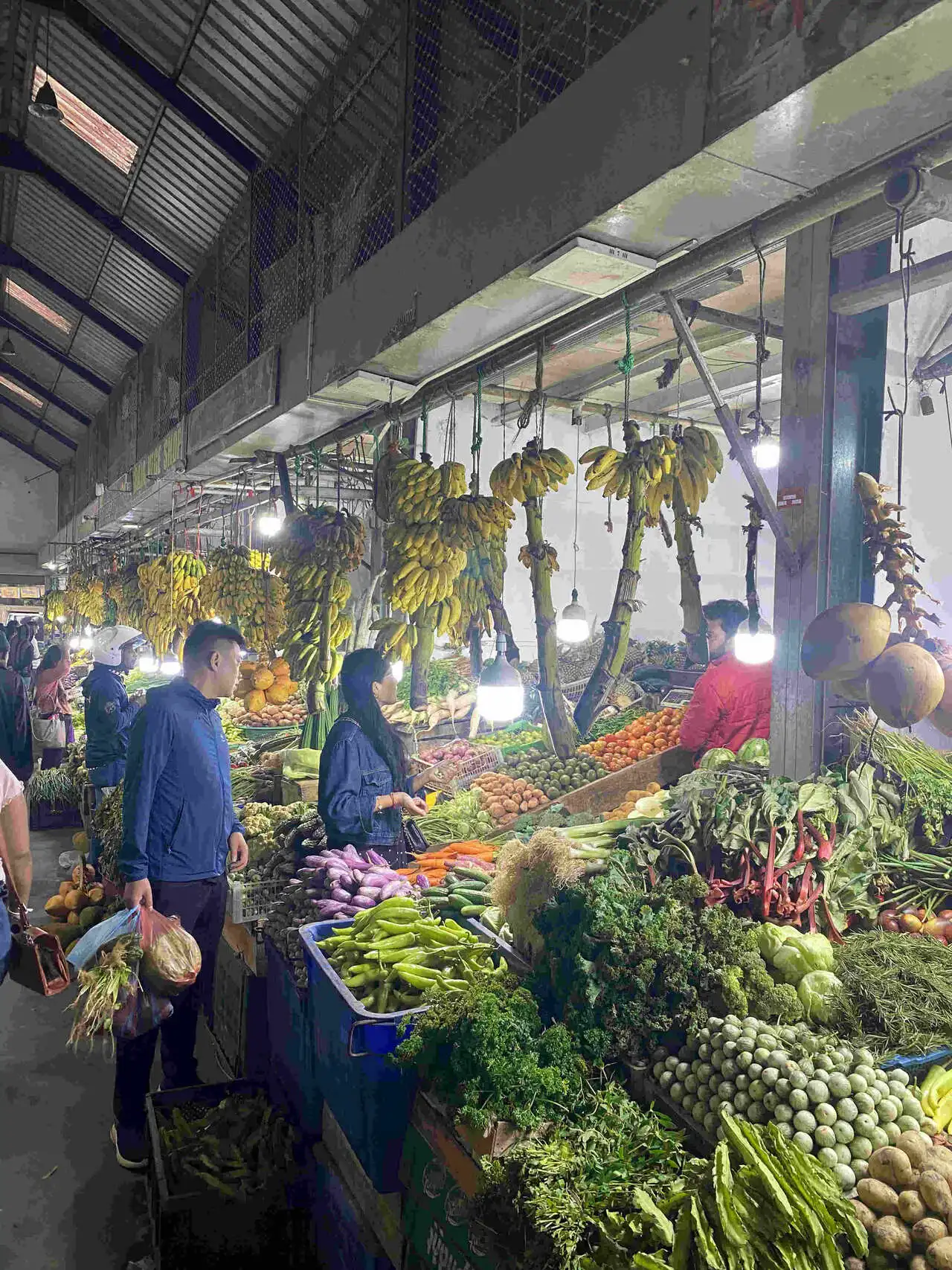
| 1 | Colombo | Gangaramaya Temple, Pettah markets, Red Mosque |
| 2–4 | Cultural Triangle | Anuradhapura, Mihintale, Sigiriya, Dambulla, Polonnaruwa, village lunch |
| 5–6 | Kandy | Temple of the Tooth ceremony, Kandyan dance, craft villages |
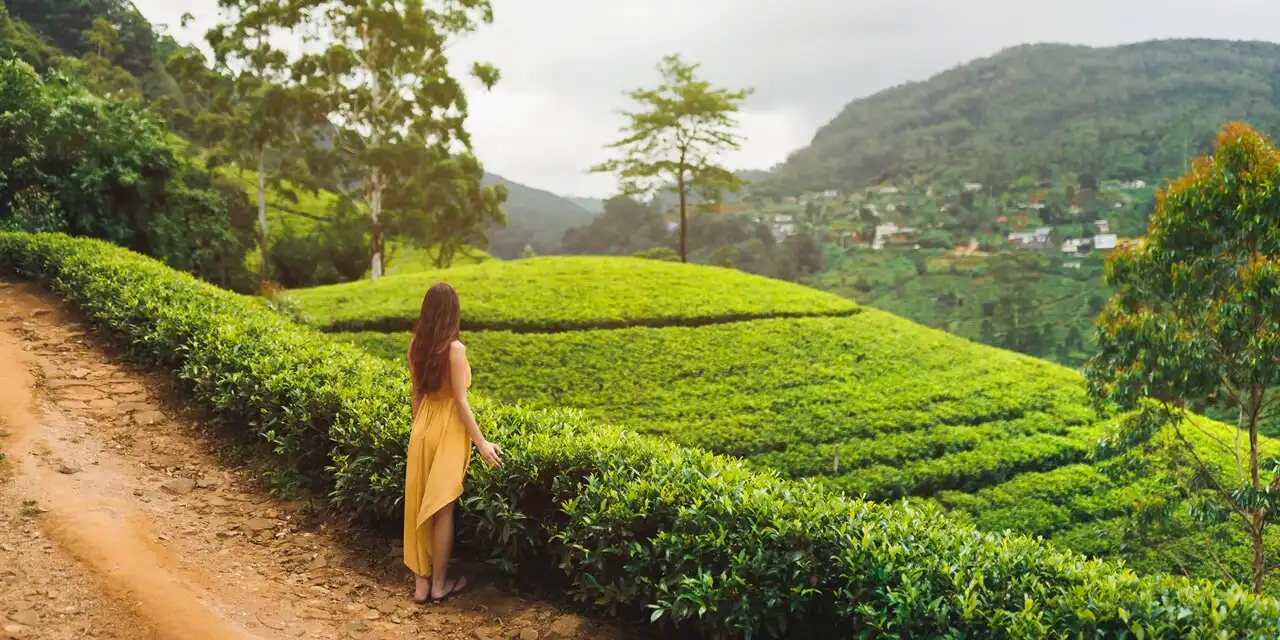
| 7 | Tea country | Tea estate and the story of the plantation communities |
| 8–10 | South coast | Galle Fort, Ambalangoda masks, Lunuganga, Ayurveda |
For more practical tips, see the official Sri Lanka Tourism website.
Sri Lanka’s culture is best experienced slowly, with people who know it from the inside. As an SLTDA-licensed specialist based in Colombo, Silk Way Ceylon Tours designs private cultural tours with expert guides, festival timing and meaningful local encounters. Contact us today to plan your tailor-made Sri Lanka itinerary.

Contact us today to have a tailor-made Sri Lanka tour plan with us, designed for the ultimate cultural immersion and adventure.