
The Cultural Triangle in Sri Lanka is the region between the ancient capitals of Anuradhapura, Polonnaruwa and Kandy, with Sigiriya and Dambulla at its heart. It holds five UNESCO World Heritage Sites within a few hours’ drive of each other. Allow three to four nights, base yourself near Sigiriya or Habarana, start sightseeing at dawn and visit between January and September for the driest weather. Luxury stays include Water Garden Sigiriya, Jetwing Vil Uyana, Heritance Kandalama and Uga Ulagalla.
For more than 2,000 years, the dry plains of north-central Sri Lanka were the centre of a sophisticated Buddhist civilisation. Kings built vast reservoirs, giant brick stupas and palaces on rock summits, and much of it survives today. For UK travellers, the Sri Lanka Cultural Triangle is usually the first stop on a tour and, for many, the most fascinating.
This guide covers the main sites, how to plan your days, where to stay in style and how to see it all without rushing.
The name comes from the three ancient royal capitals at its corners: Anuradhapura in the north, Polonnaruwa in the east and Kandy in the south. Inside the triangle lie Sigiriya, Dambulla, Mihintale and the great reservoirs that once fed the kingdoms. The region contains five of Sri Lanka’s eight UNESCO World Heritage Sites:
| Site | What it is | Time needed |
| Sigiriya | 5th-century palace on a 200-metre rock, with frescoes and water gardens | Half a day |
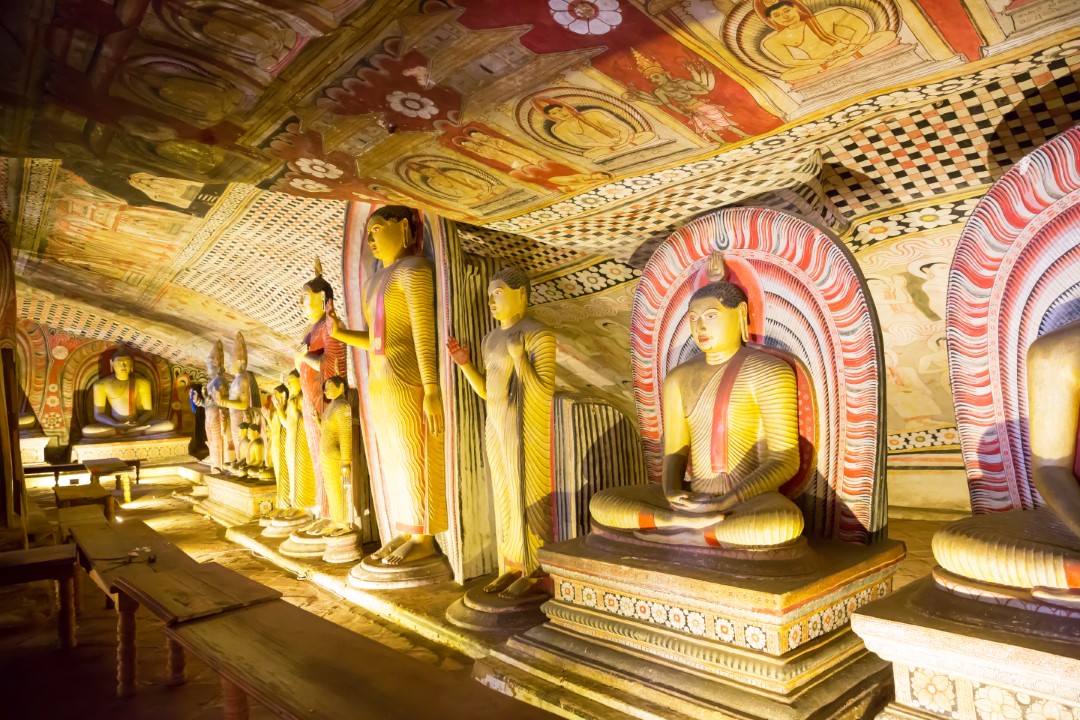
| Dambulla Cave Temple | Five painted caves with more than 150 Buddha statues | 1–2 hours |
| Polonnaruwa | Medieval royal capital (11th–13th centuries); Gal Vihara rock carvings | Half a day |
| Anuradhapura | First royal capital; giant stupas and the sacred Bodhi tree | Full day |
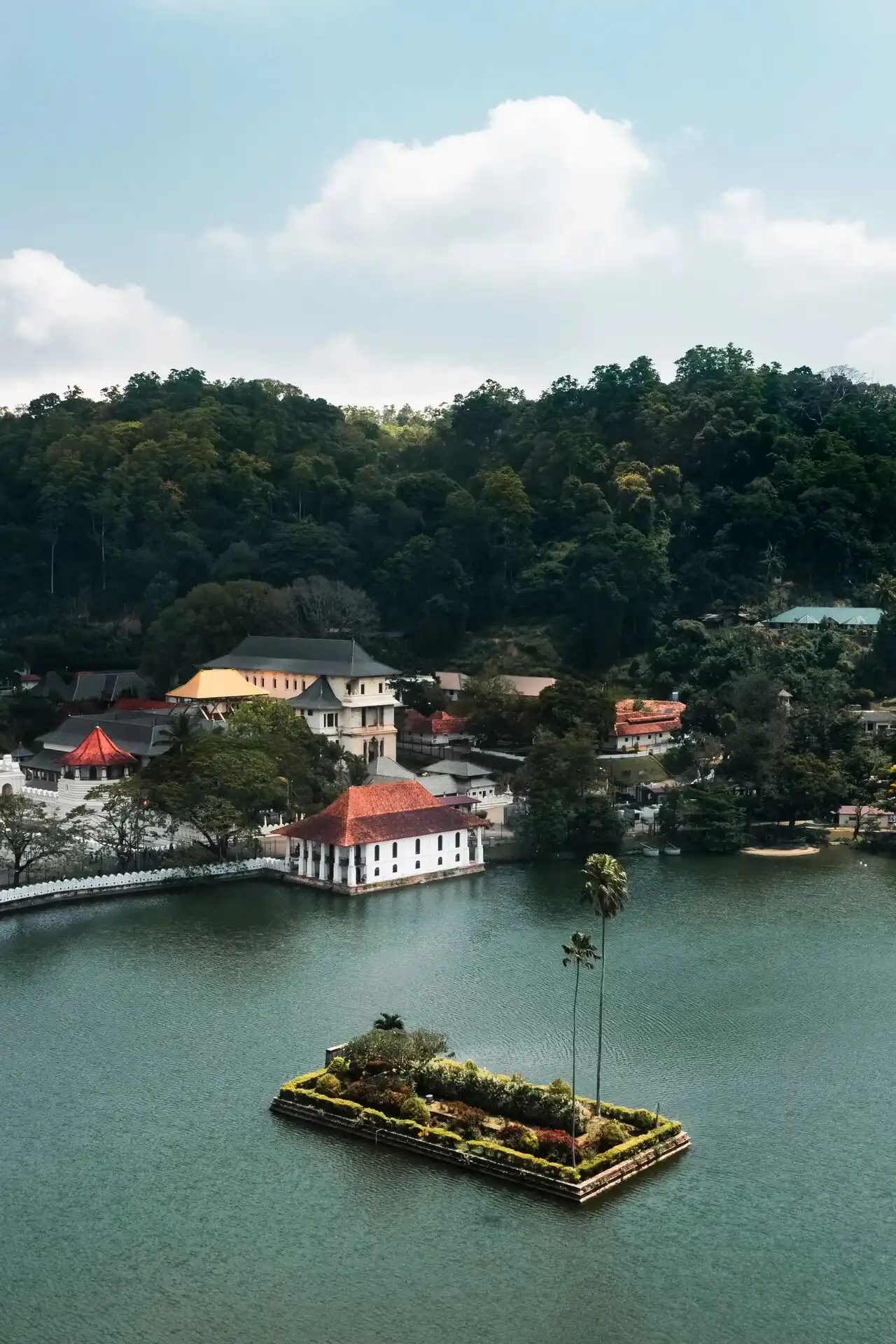
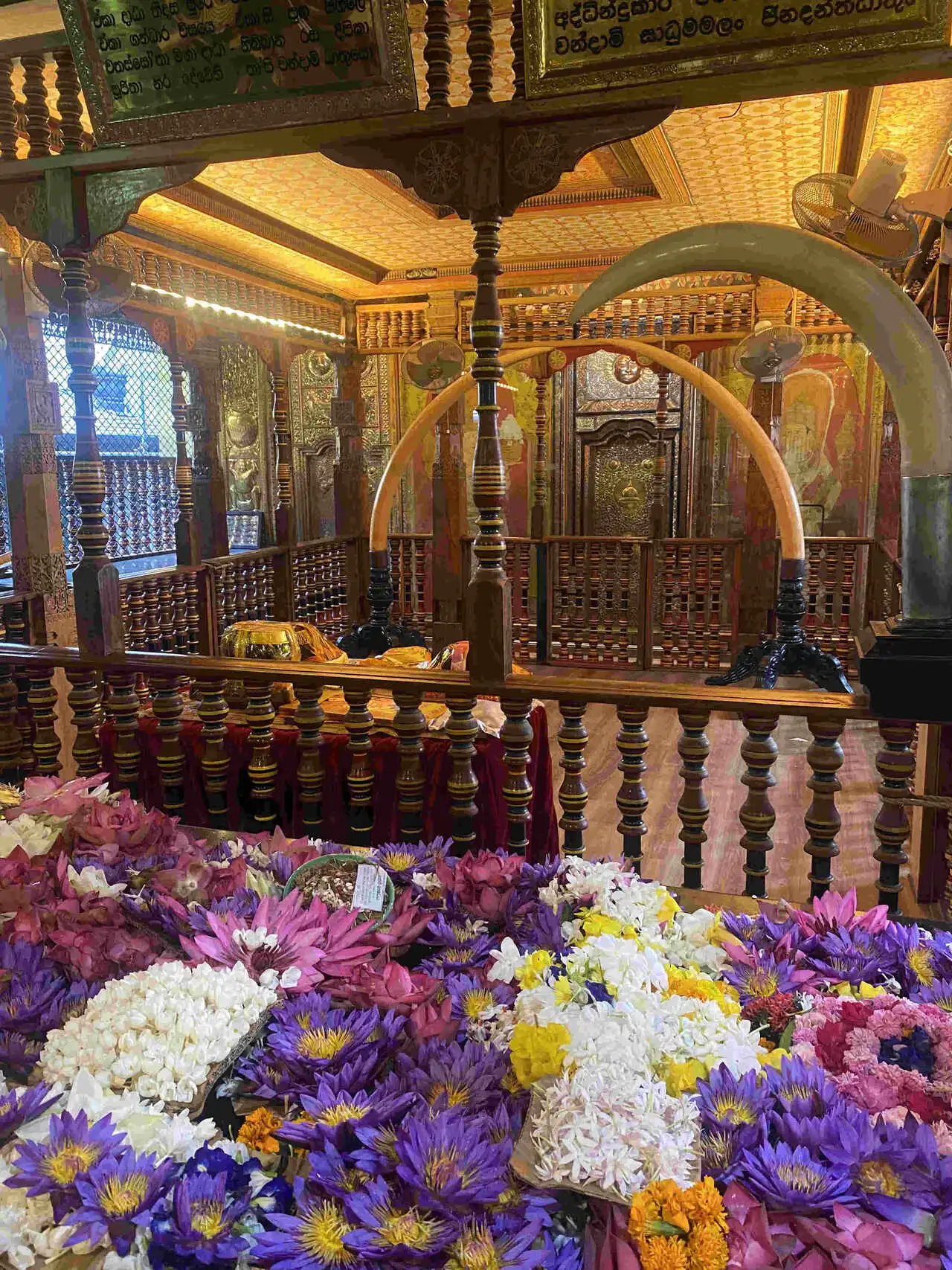
| Kandy | Last royal capital; Temple of the Sacred Tooth Relic | 1–2 days |


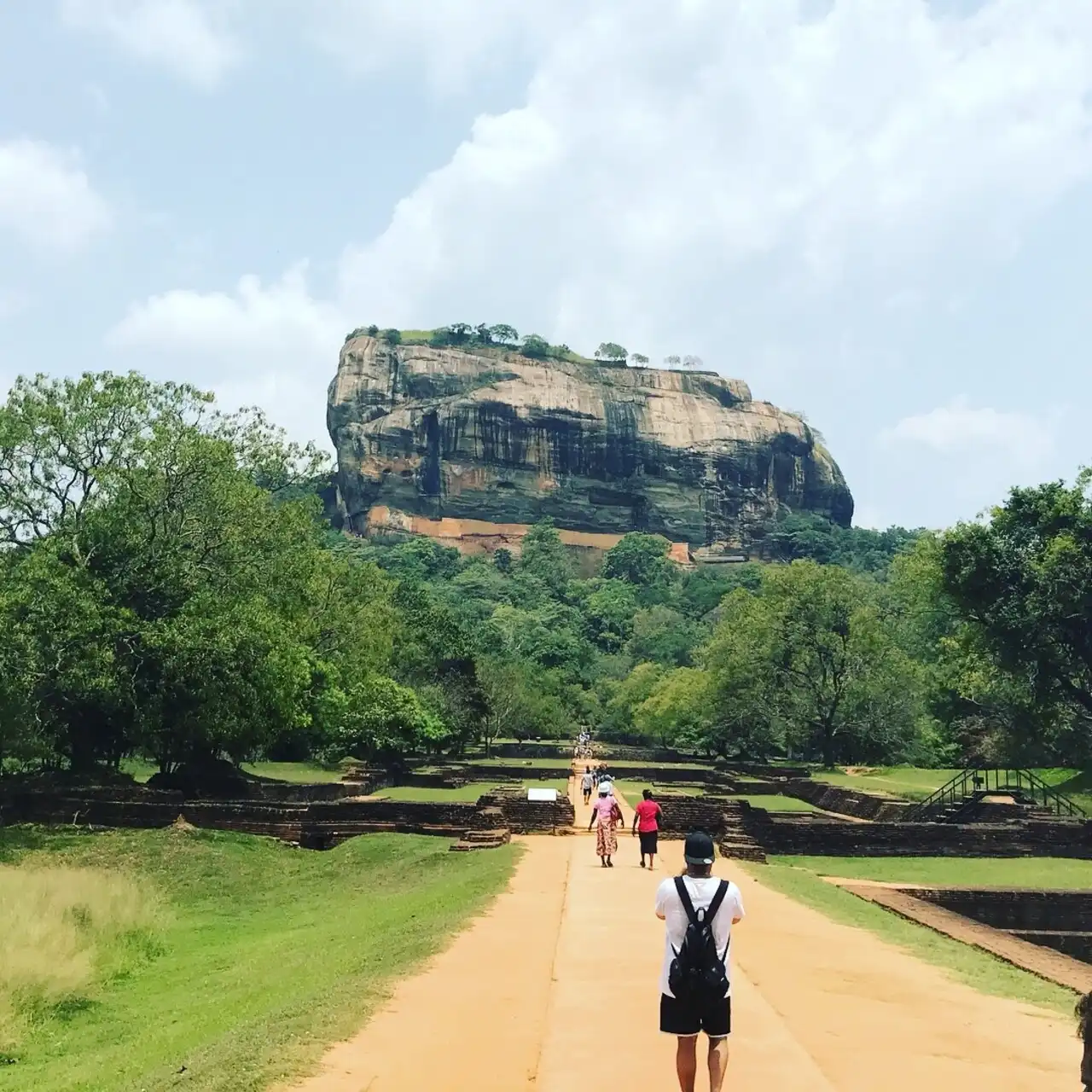
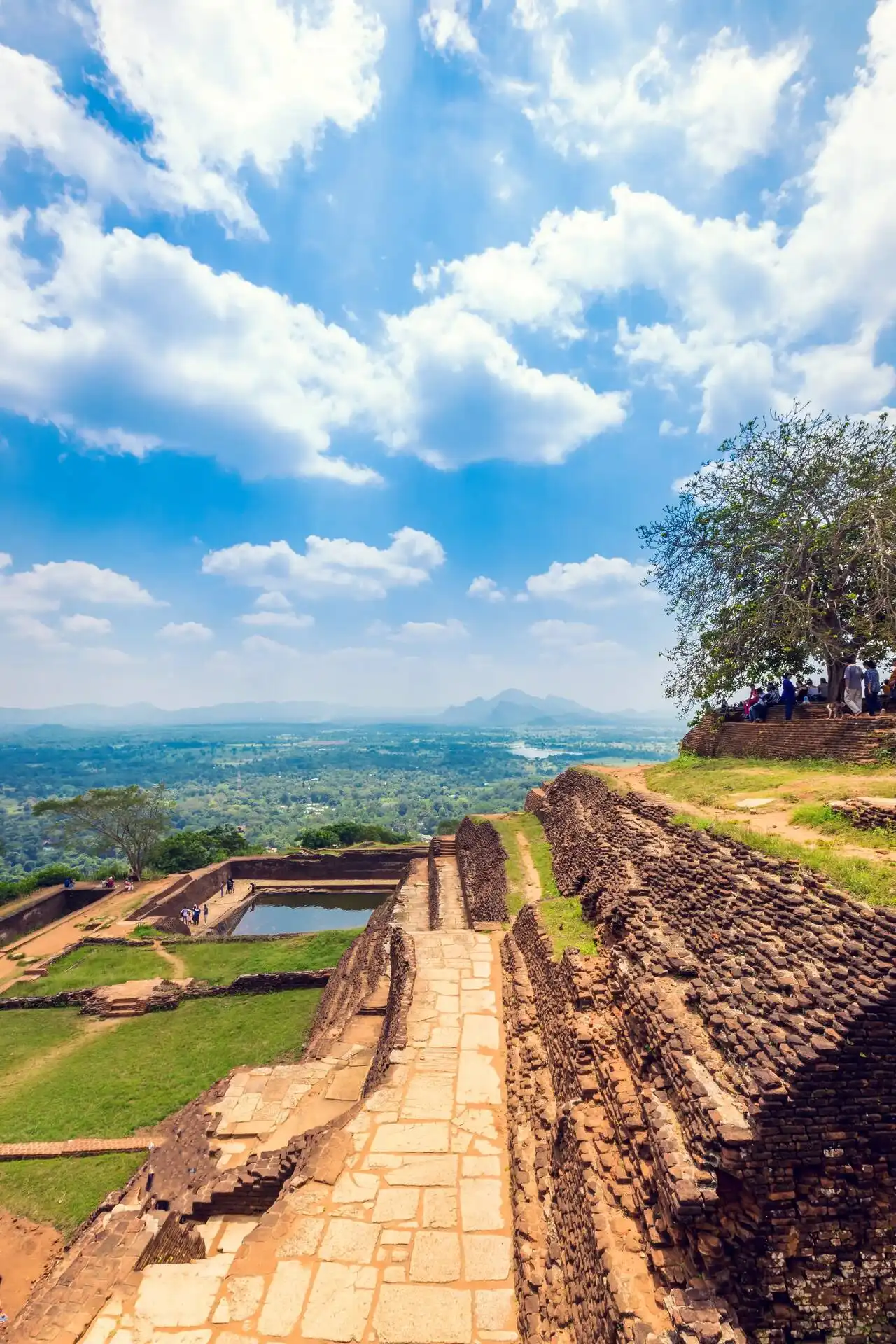
The highlight for most visitors: a royal palace on top of a sheer rock, reached past water gardens, painted maidens and giant lion paws. Climb at opening time. Our Sigiriya Lion Rock guide covers the climb in detail.
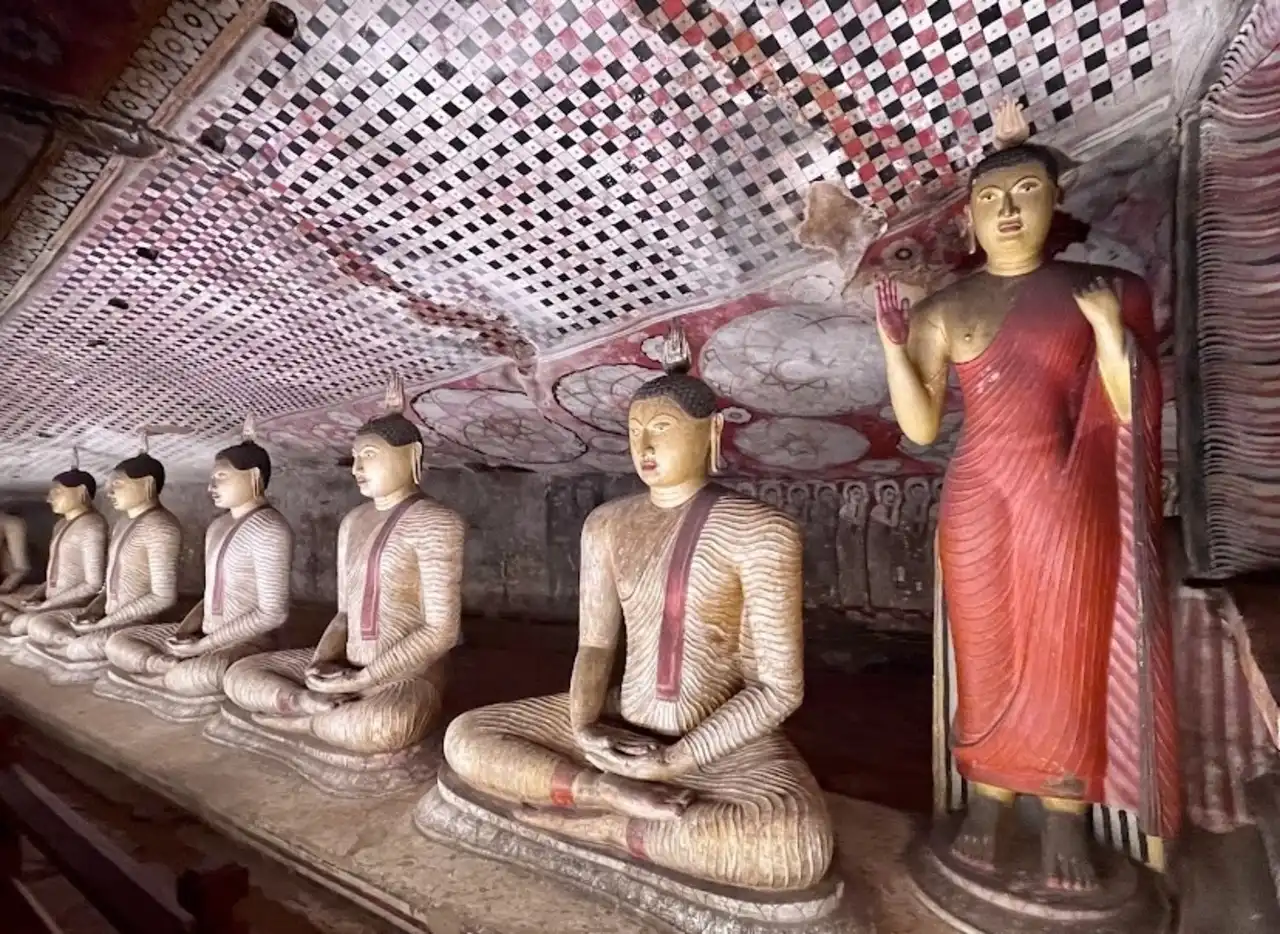
Also known as the Golden Temple of Dambulla, this cave complex is about 30 minutes from Sigiriya. Five caves are filled with statues and ceiling paintings, some more than 2,000 years old. It’s a short, steep walk up, and shoes come off at the entrance.
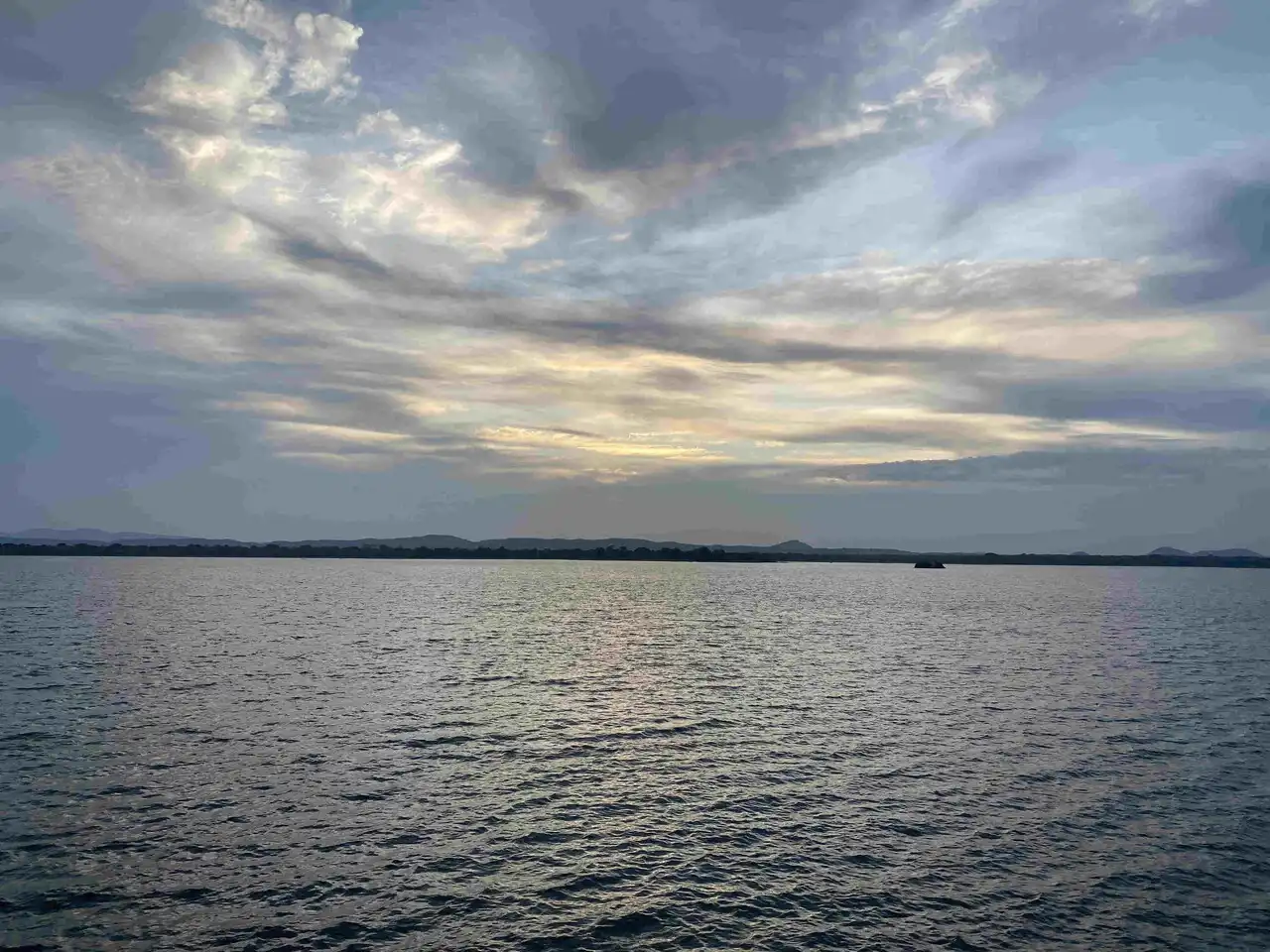
The 900-year-old capital is compact, shady and perfect for exploring by bicycle. Don’t miss the Vatadage (a circular relic house), the Royal Palace and the four rock-cut Buddhas of Gal Vihara. The vast Parakrama Samudra reservoir is just as impressive. See our page on places to visit in Polonnaruwa.
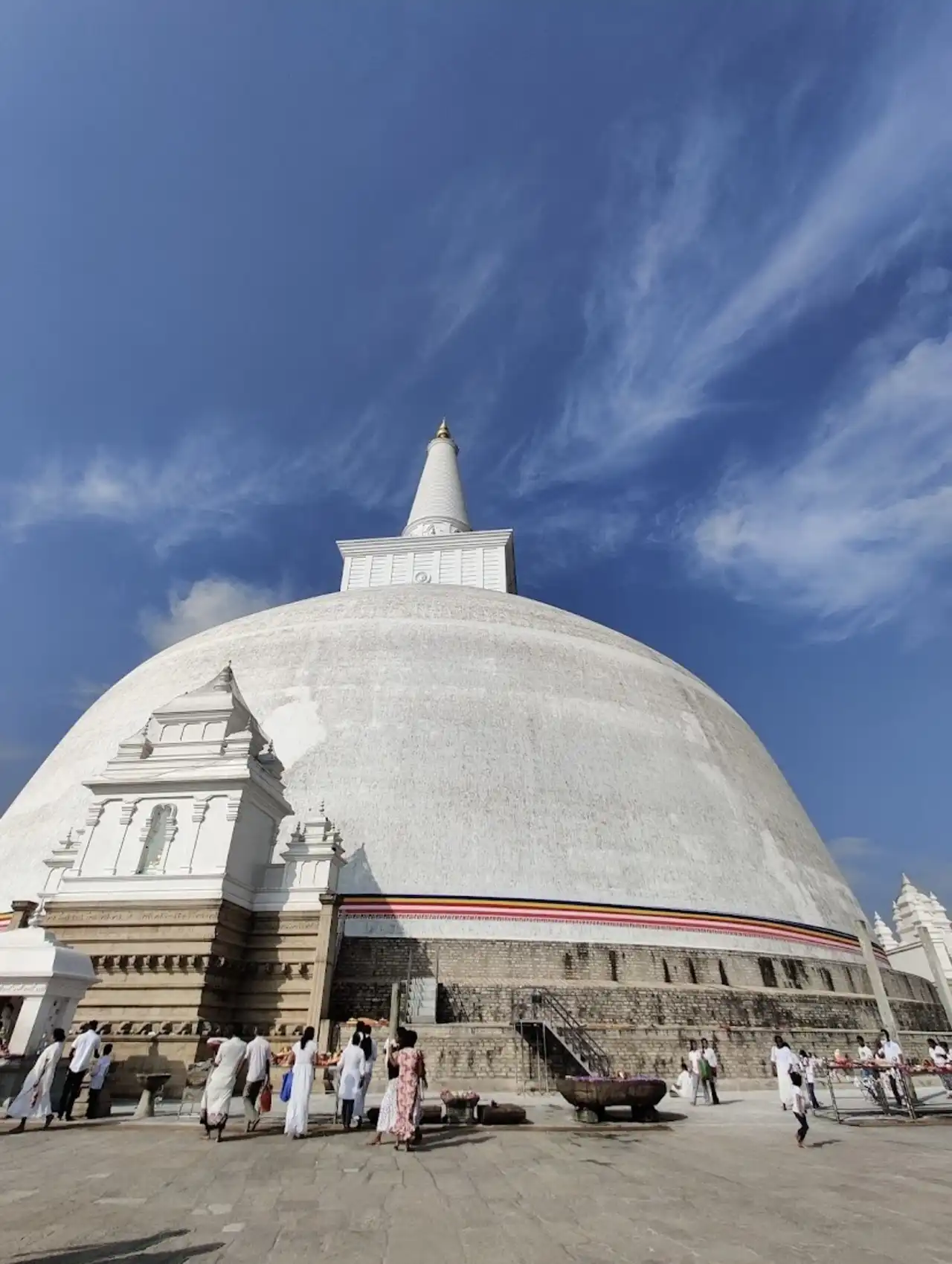
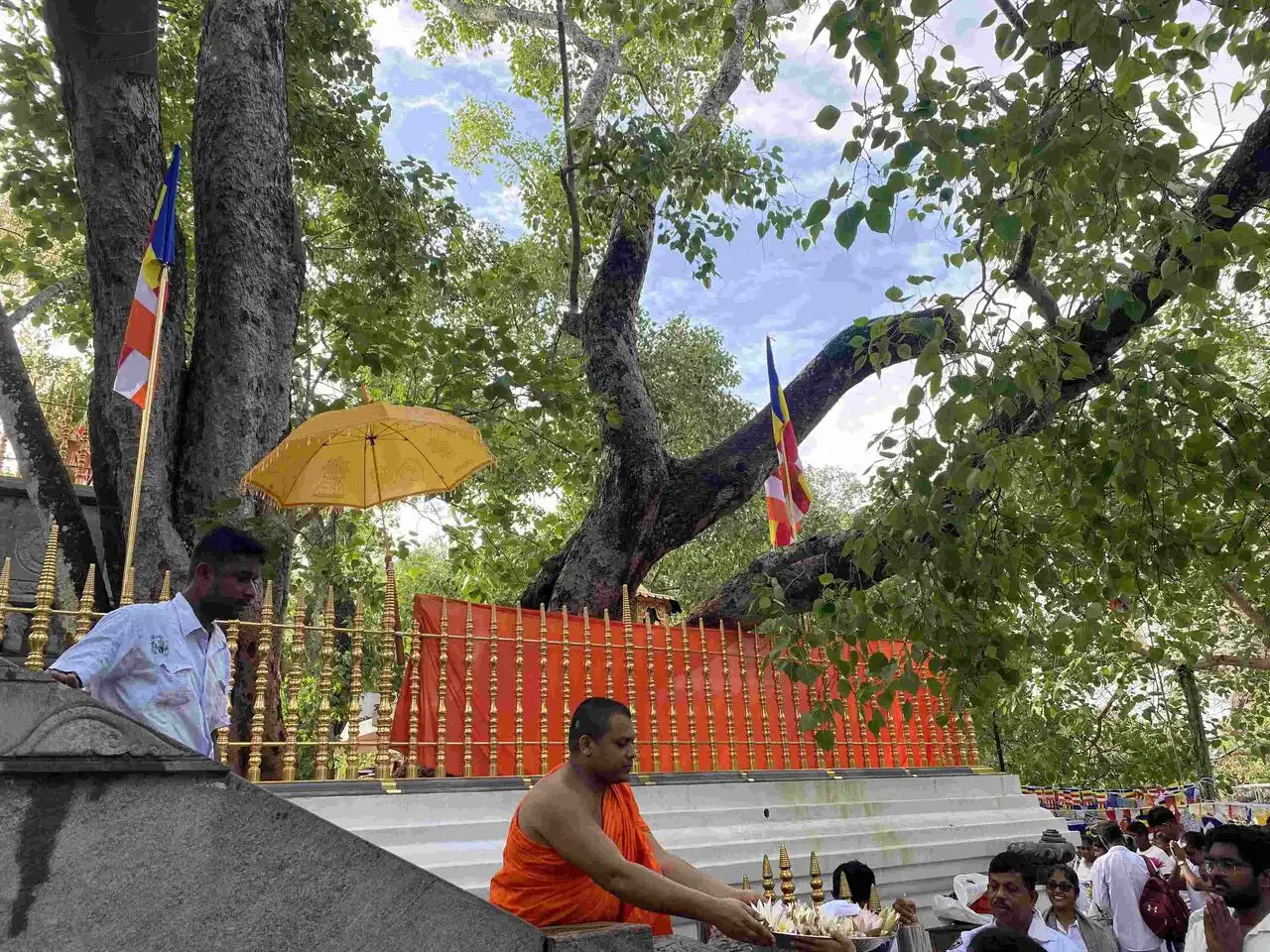
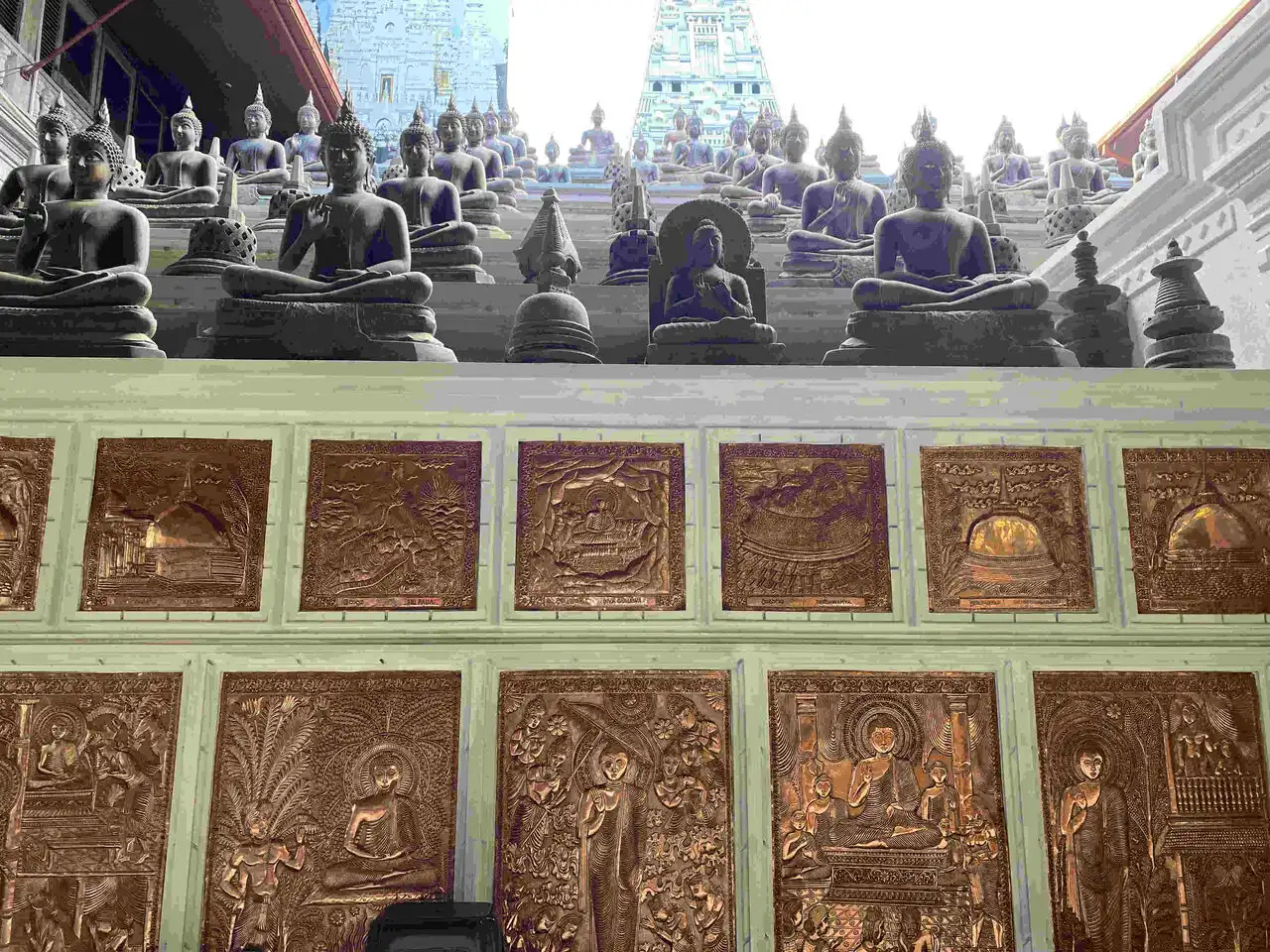
Sri Lanka’s first capital was a royal and religious centre for over a thousand years. The Sri Maha Bodhi, grown from a cutting of the tree under which the Buddha attained enlightenment, is said to be the oldest documented tree in the world. The giant stupas of Ruwanwelisaya and Jetavanaramaya were among the largest structures of the ancient world. It’s a sacred city, so many visitors wear white. Our guide to places to visit in Anuradhapura has more detail.
For keen history lovers, Mihintale is where Buddhism was introduced to Sri Lanka in the 3rd century BC. Ritigala is an atmospheric forest monastery, and the Aukana Buddha is a towering standing statue carved from a single rock face.
The triangle’s southern corner and the last royal capital, home to the Temple of the Sacred Tooth Relic. Most travellers visit Kandy on the way to the hill country.


If time is short, most first-time visitors choose Polonnaruwa. It’s compact, beautifully preserved and easy to explore by bicycle in a morning, and it’s about an hour from Sigiriya. Anuradhapura is older, larger and more spread out, and it’s still a living pilgrimage city, with white-clad worshippers at the sacred Bodhi tree and the great stupas. It deserves a full day and works best if you stay nearby, for example at Ulagalla. History lovers with four nights or more should see both: they tell the story of two very different eras of Sri Lanka’s ancient kingdoms.



Three to four nights is ideal. A typical plan looks like this:
| Day | Plan |
| 1 | Arrive from Colombo (about four hours); afternoon village tour or rest |
| 2 | Sigiriya at dawn, Dambulla Cave Temple in the afternoon |
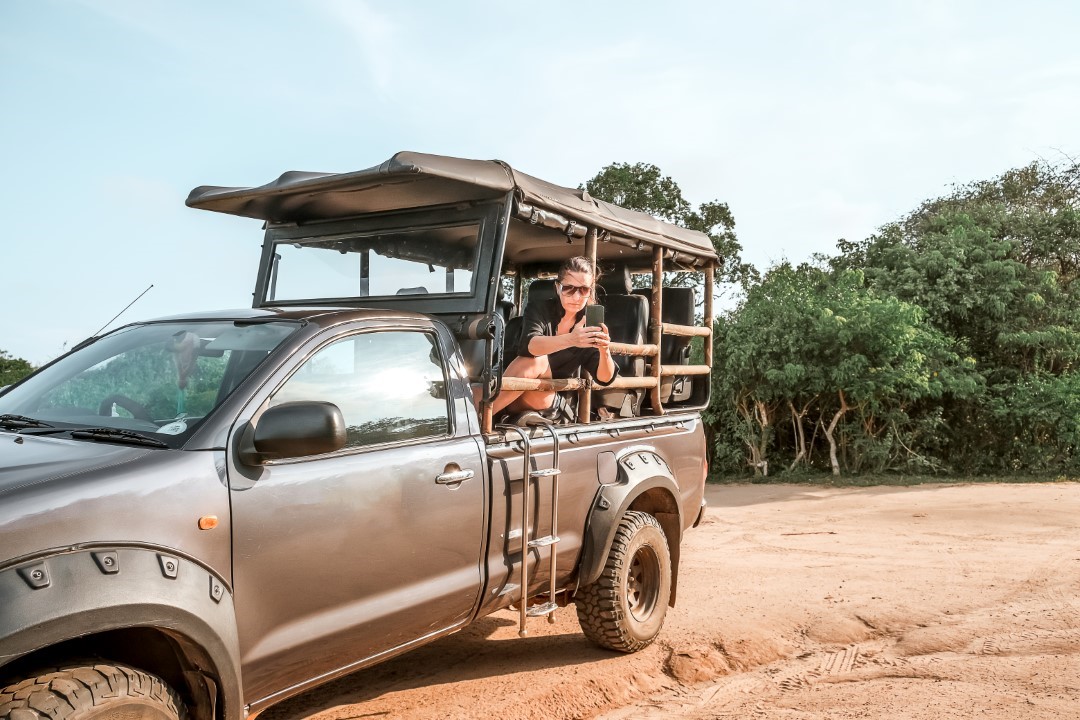
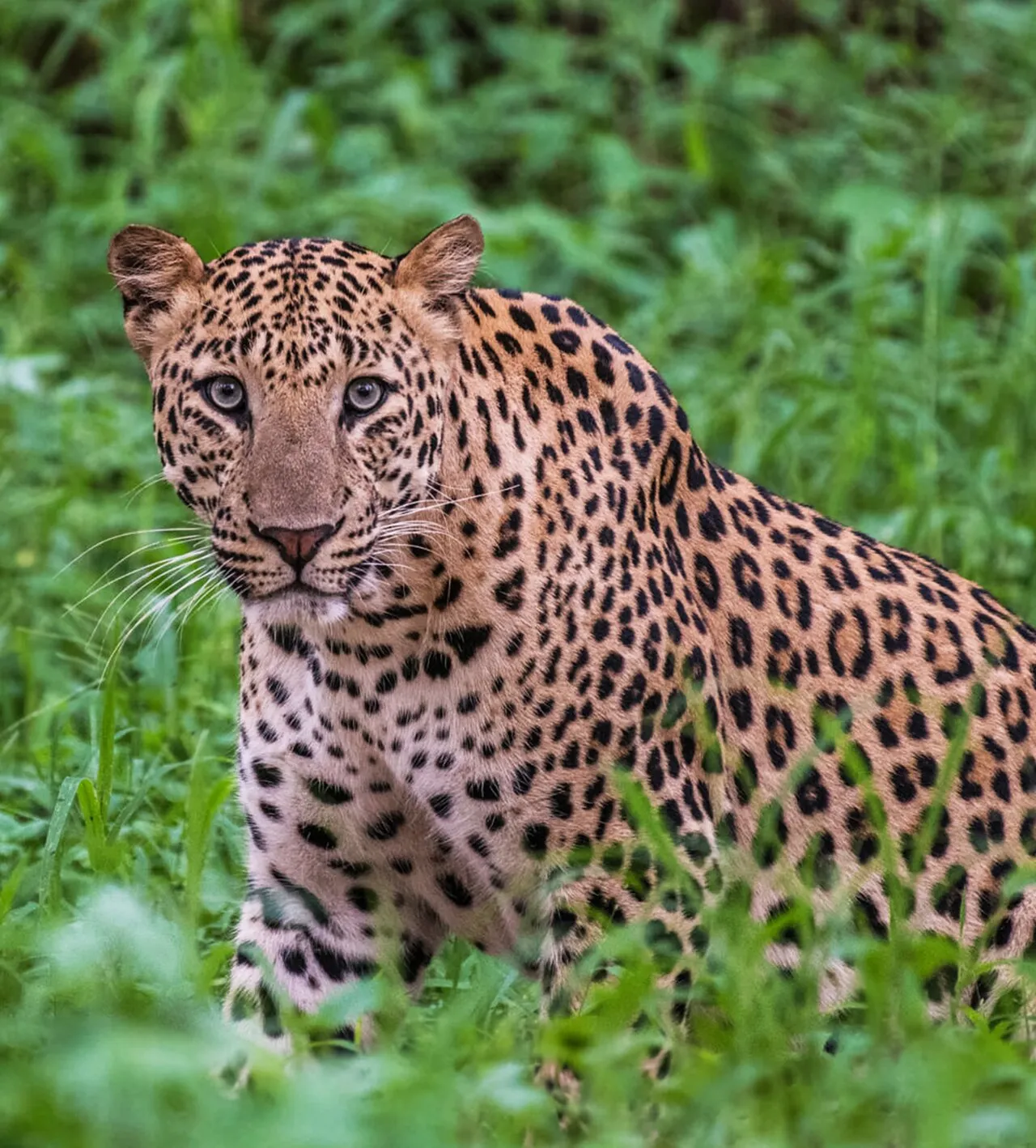
| 3 | Polonnaruwa by bicycle, then an elephant safari at Minneriya or Kaudulla |
| 4 | Anuradhapura (a full day), or a relaxed day at your lodge |
Then continue to Kandy and the hill country. This is the route in our 2 week Sri Lanka itinerary.


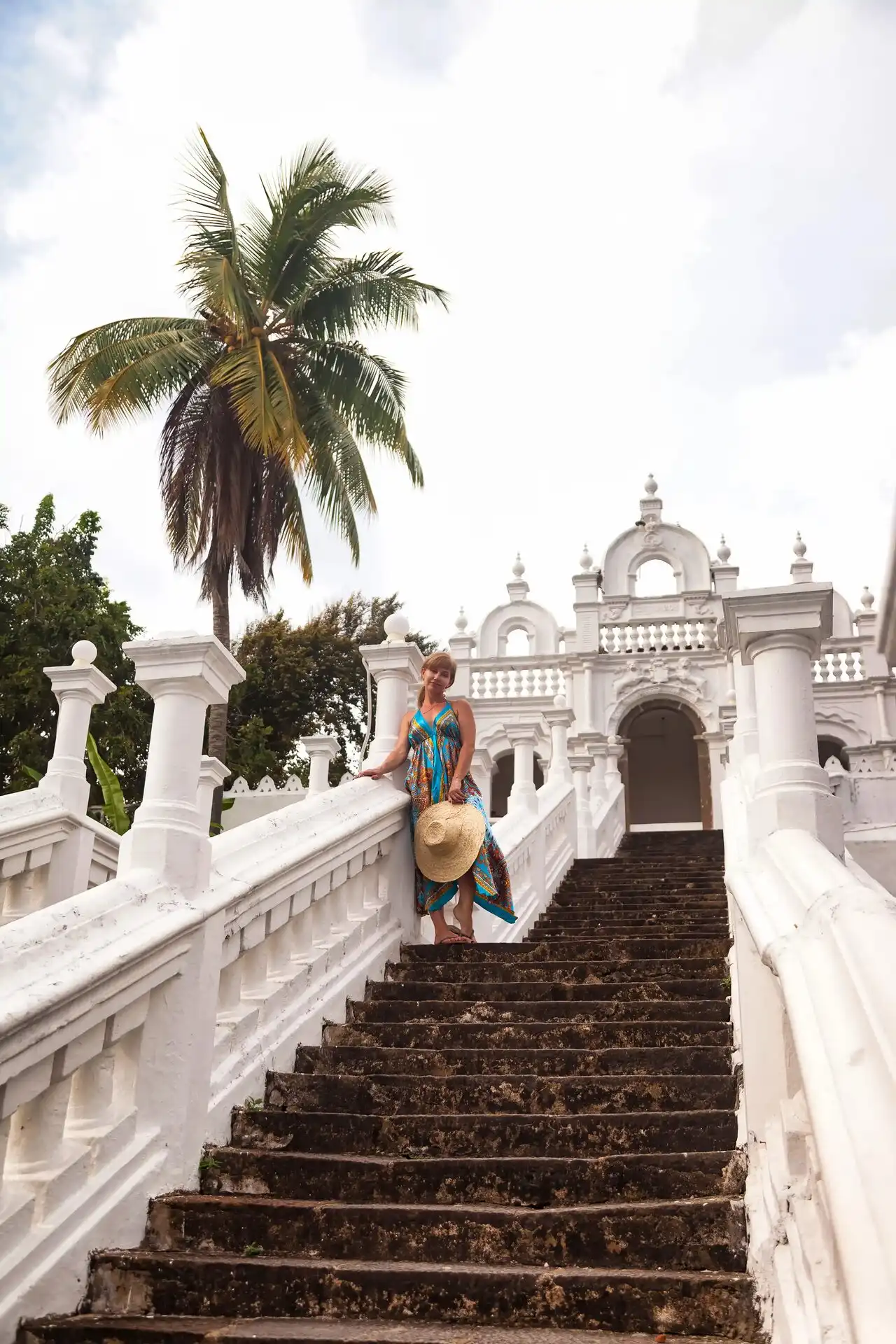


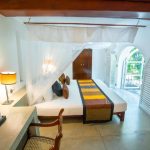
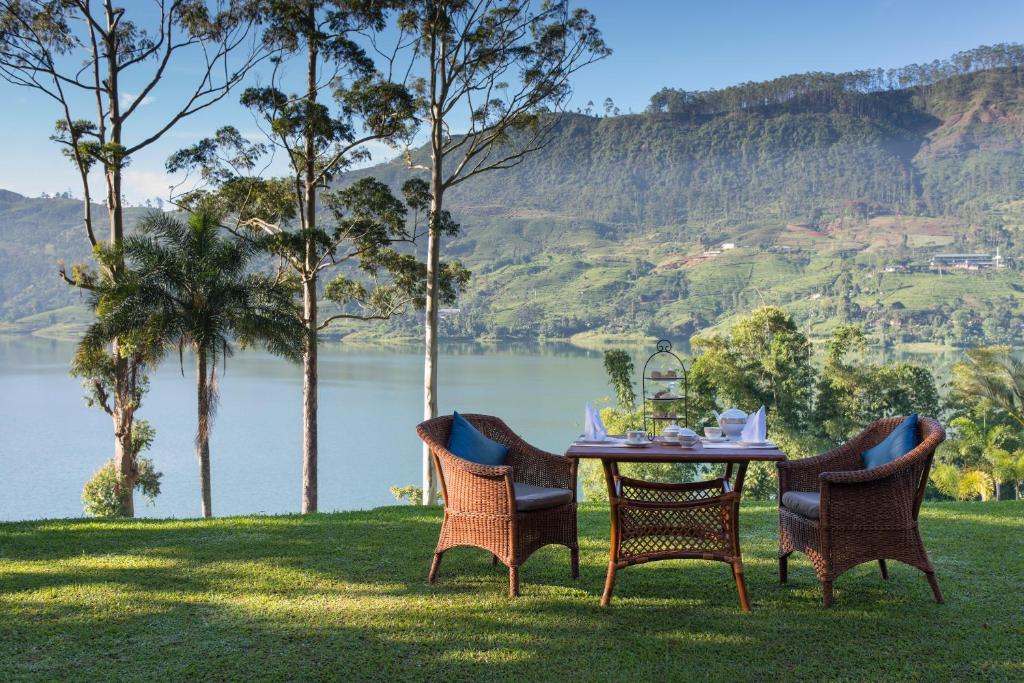
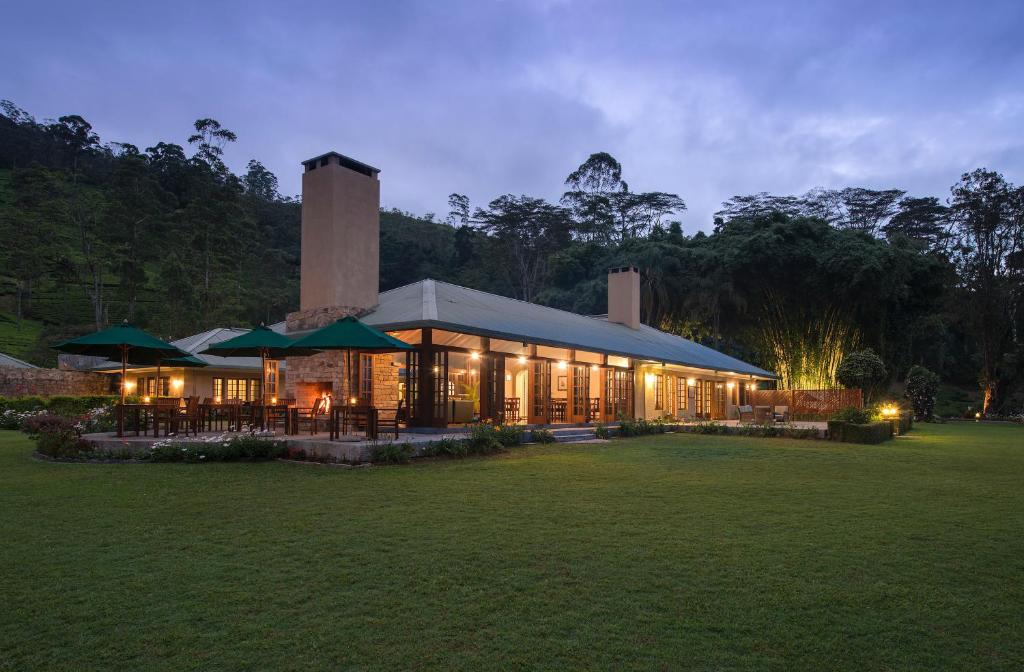
Staying centrally near Sigiriya, Dambulla or Habarana lets you reach every site within about an hour. The area has some of the most memorable hotels in Sri Lanka:
Choosing where to stay when visiting Sri Lanka’s Cultural Triangle depends on your route: Sigiriya for the rock, Habarana for safaris, and Ulagalla for Anuradhapura.

For more ideas, see our guide to cultural tours in Sri Lanka.
The region is in Sri Lanka’s dry zone, so it’s generally sunny from January to September. October to December brings the most rain, although mornings are often clear. July to September is the season of the Elephant Gathering at Minneriya, and the Kandy Esala Perahera festival usually takes place in July or August. Whatever the month, start early: the sites are hot by late morning.



Ancient capitals, rock fortresses, painted caves and wild elephants: the Cultural Triangle is the perfect start to a Sri Lanka adventure. As an SLTDA-licensed specialist based in Colombo, Silk Way Ceylon Tours plans each day around the cooler hours, the best guides and the finest places to stay. Contact us today to start your tailor-made Sri Lanka itinerary.

Contact Us to have a tailor-made Sri Lanka tour plan with us, crafted to your interests and pace. Let’s make your Sri Lanka trip an unforgettable one!