
Sri Lanka food is built on rice, coconut and fragrant spices. The national dish is rice and curry, served with several small curries and sambols, and favourites include hoppers, kottu roti, string hoppers and fresh seafood. It’s often milder and more coconut-rich than Indian food, and cooks will happily tone down the heat. This guide covers the dishes to try, what a typical day of eating looks like, street food tips, regional specialities and the best luxury food experiences on the island.
Ask UK travellers what they remember most about Sri Lanka and many will say the food. Even Olivia Colman, after her family trip, called it the best food she’d ever had. For British visitors used to curry-house favourites, Sri Lankan cooking is a revelation: lighter, fresher and full of flavours you won’t find on a typical UK menu.
Here’s our local guide to food in Sri Lanka: what to order, how spicy it really is, where to eat, and how to make food the highlight of your trip.


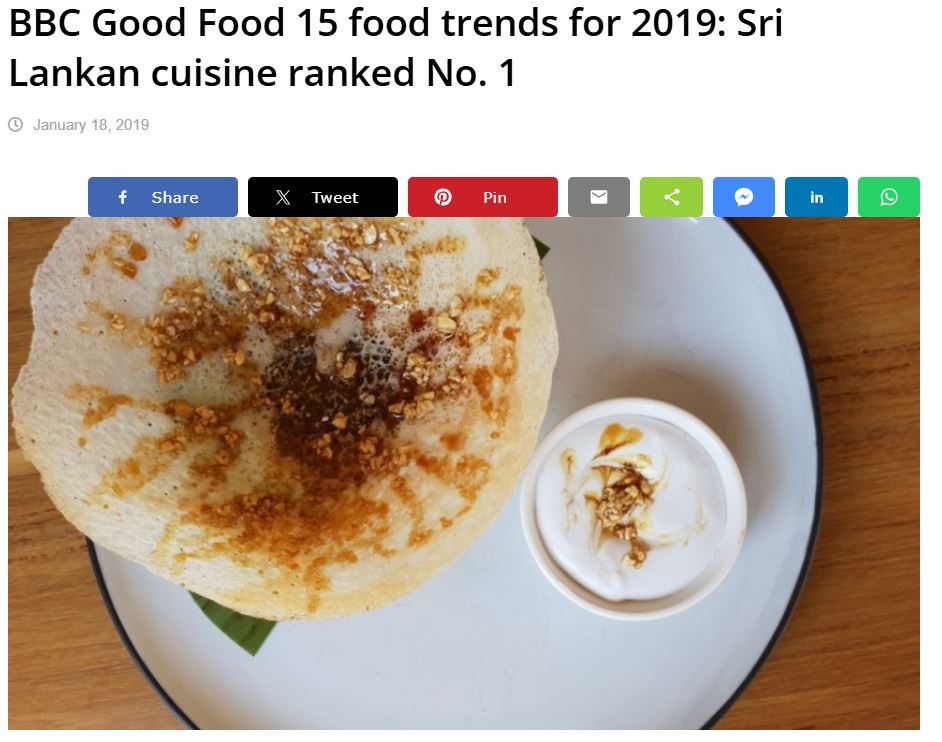
Sri Lankan cooking blends local ingredients with centuries of outside influence. Coconut, in milk, oil or freshly grated form, appears in almost every meal. Spices such as Ceylon cinnamon, cardamom, cloves, curry leaves and pandan give dishes their distinctive fragrance. Traders and colonists left their mark too: Dutch Burgher dishes like lamprais, Malay-influenced pickles, and South Indian dosa and vadai.
Compared with Indian food, Sri Lanka food culture uses more coconut milk, more seafood and roasted curry powders, which give a darker, toastier flavour. Meals are shared, with several dishes on the table at once, and many Sri Lankans still eat with their right hand. Visitors are always welcome to use a fork.
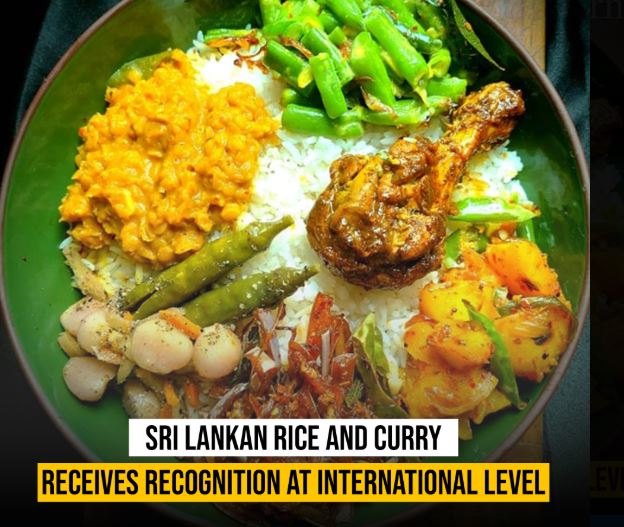
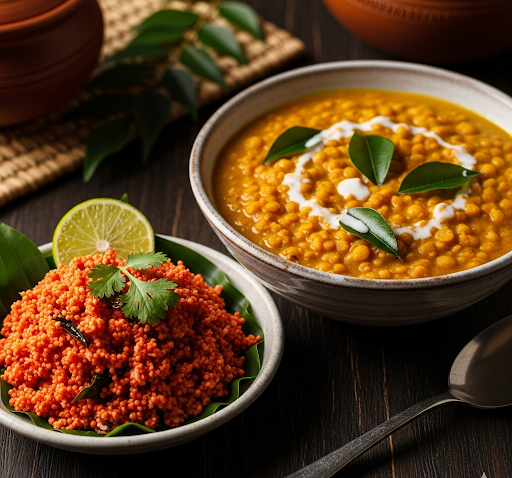
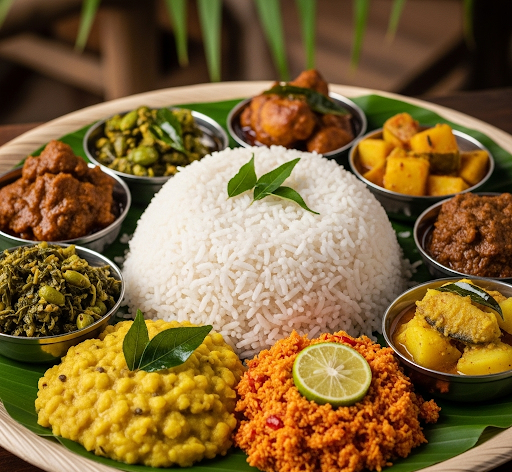
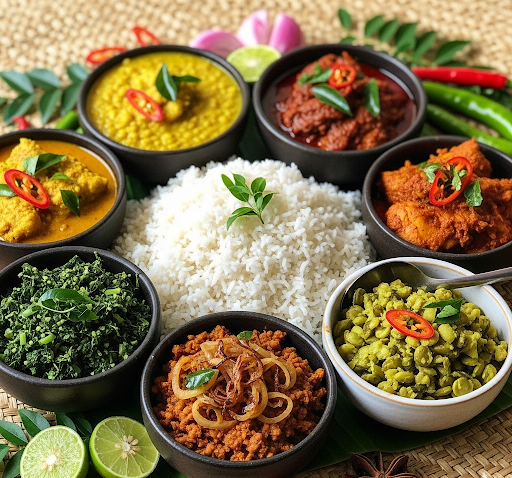
Rice and curry is the national food of Sri Lanka, eaten by most families every day. A plate of rice is surrounded by several smaller dishes, which might include:
Mix a little of each with the rice as you go, and you’ll quickly see why one plate can hold so many flavours.
| Dish | What it is | When to eat it |
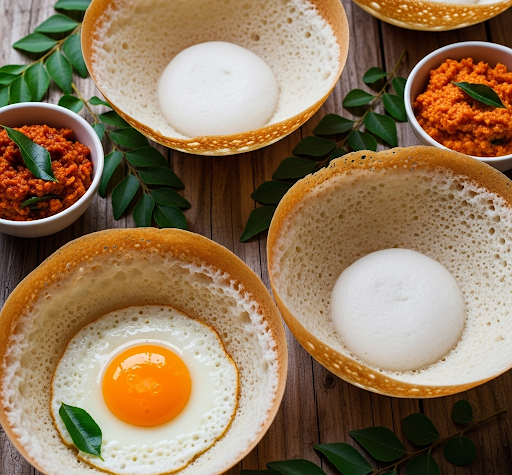
| Hoppers (appa) | Crisp, bowl-shaped pancakes of fermented rice flour and coconut milk; try an egg hopper | Breakfast or dinner |
| String hoppers | Delicate nests of steamed rice noodles, served with dhal and curry | Breakfast |
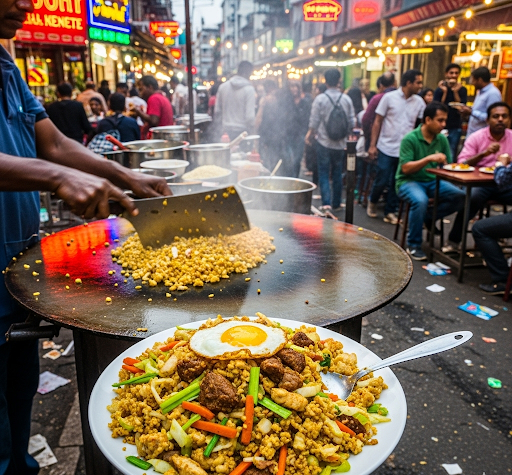
| Kottu roti | Chopped flatbread stir-fried with vegetables, egg or meat | Evening, from street kitchens |
| Kiribath | Milk rice cut into diamonds, eaten with lunu miris (chilli relish) | Breakfast and celebrations |
| Lamprais | Dutch Burgher parcel of rice, curries and a meatball, baked in a banana leaf | Lunch |
| Fish ambul thiyal | Sour, dry-cooked tuna curry from the south coast | Lunch or dinner |
| Jaffna crab curry | A rich, fiery northern speciality | Dinner |
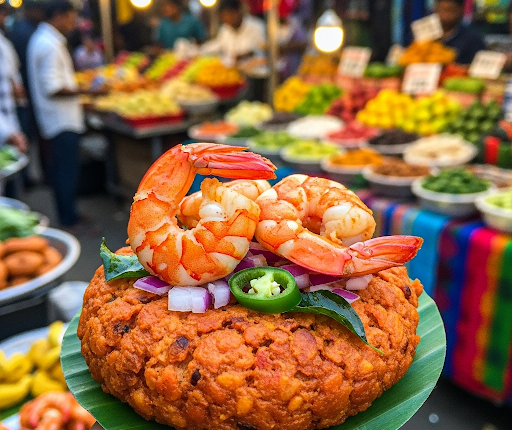
| Isso vadai | Crunchy lentil fritters topped with whole prawns | Snack, at sunset |
| Watalappan | Spiced coconut and jaggery custard | Dessert |
| King coconut | Sweet water drunk straight from the orange coconut | Any time |
You’ll hear kottu before you see it: the rhythmic clatter of metal blades chopping roti on a hot griddle is the soundtrack of Sri Lankan evenings. Sri Lanka food kottu comes in many versions, from vegetable and egg to chicken, seafood and the indulgent cheese kottu. It’s cooked fresh to order and makes a hearty, inexpensive dinner.
A food menu in Sri Lanka follows the rhythm of the day:
Leave room for something sweet. Watalappan is a rich, spiced coconut custard with Malay roots, while kavum (oil cakes) and kokis (crisp, flower-shaped biscuits) appear at every Sinhala and Tamil New Year in April. Buffalo curd drizzled with kithul treacle, a syrup made from the sap of the fishtail palm, is a south coast favourite and a perfect end to a spicy meal.
To drink, nothing beats a chilled king coconut from a roadside stall. Fresh lime juice, wood apple juice and ginger beer are local favourites. Ceylon tea is drunk all day, usually strong, milky and sweet. For something stronger, arrack is the island’s traditional spirit, distilled from coconut flower sap and often mixed with ginger beer.
Street food is a big part of food from Sri Lanka, and most UK visitors enjoy it without problems. Follow a few simple rules:
Your chauffeur-guide will know the best local spots and can steer you towards places locals trust.
Excellent. Many rice and curry dishes are naturally vegetarian, and a lot of them are vegan, thanks to coconut milk instead of dairy. Look out for dhal, jackfruit, pumpkin, cashew curry and aubergine moju (a sweet and sour pickle). Tell your guide about any dietary needs or allergies, especially nuts, and they’ll explain them to restaurants for you.
For food-loving travellers, a luxury trip is the chance to go beyond restaurants:
For inspiration, read about Olivia Colman’s holiday to Sri Lanka, or explore our Sri Lanka luxury holidays guide for where to stay.
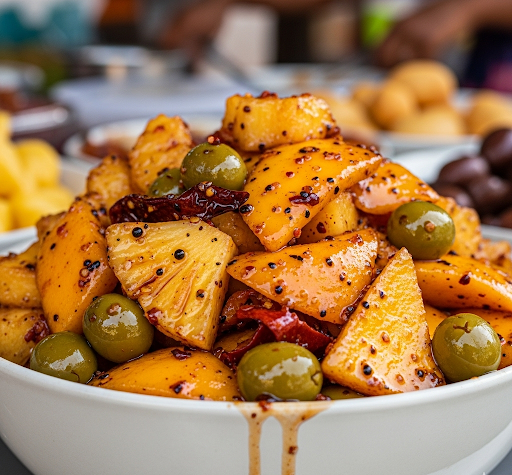







Whether you’re a confident curry lover or new to spice, Sri Lanka food is one of the great joys of visiting the island. As an SLTDA-licensed specialist based in Colombo, Silk Way Ceylon Tours can build food into every day of your trip, with cookery classes, market visits, spice gardens, tea tastings and the best local restaurants, all with a private chauffeur-guide who knows where to eat. Contact us today to plan your tailor-made Sri Lanka itinerary.
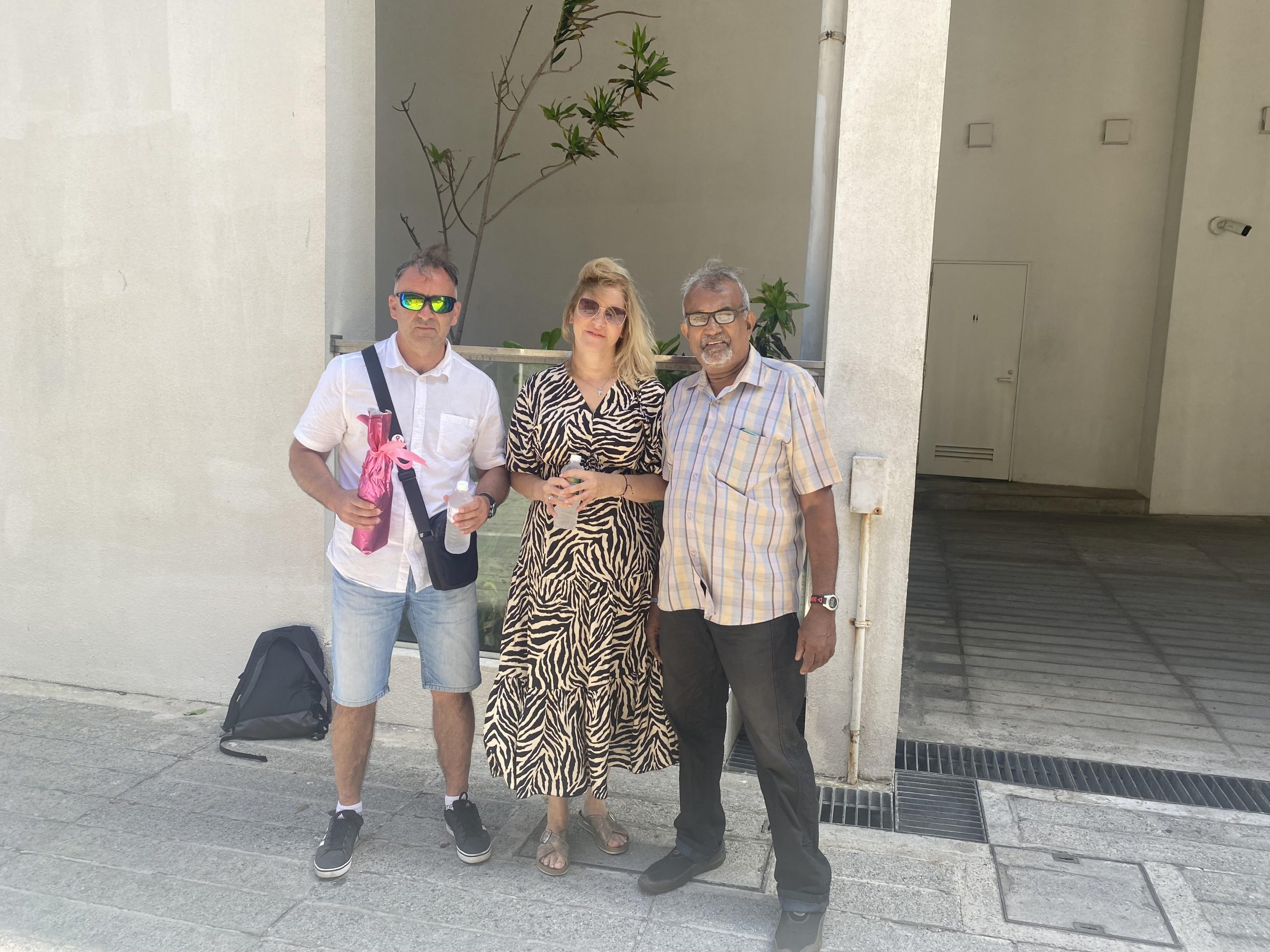

Let’s start planning your dream foodie getaway. Contact us for a tailor-made Sri Lanka tour plan!