
Visiting a tea plantation in Sri Lanka means walking through emerald estates in the cool hill country, watching tea being made in a working factory and tasting Ceylon tea where it’s grown. The main tea regions are Nuwara Eliya, Dimbula (Hatton), Uva (Ella and Haputale) and Kandy. The best time to visit is January to April. For a luxury stay, restored planters’ bungalows such as Ceylon Tea Trails offer butler service in the heart of the estates.
For many UK travellers, the first sip of Ceylon tea comes long before the first trip to Sri Lanka. The island’s tea has filled British teapots for more than 150 years, and seeing where it’s grown has a special appeal. Picture mist rising over steep green slopes, waterfalls tumbling into valleys, and colonial bungalows with log fires in the evening.
This guide covers the main tea regions, what happens on a plantation and factory tour, the most memorable places to stay, and how to fit tea country into a wider Sri Lanka itinerary.
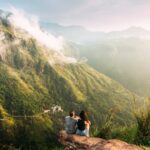
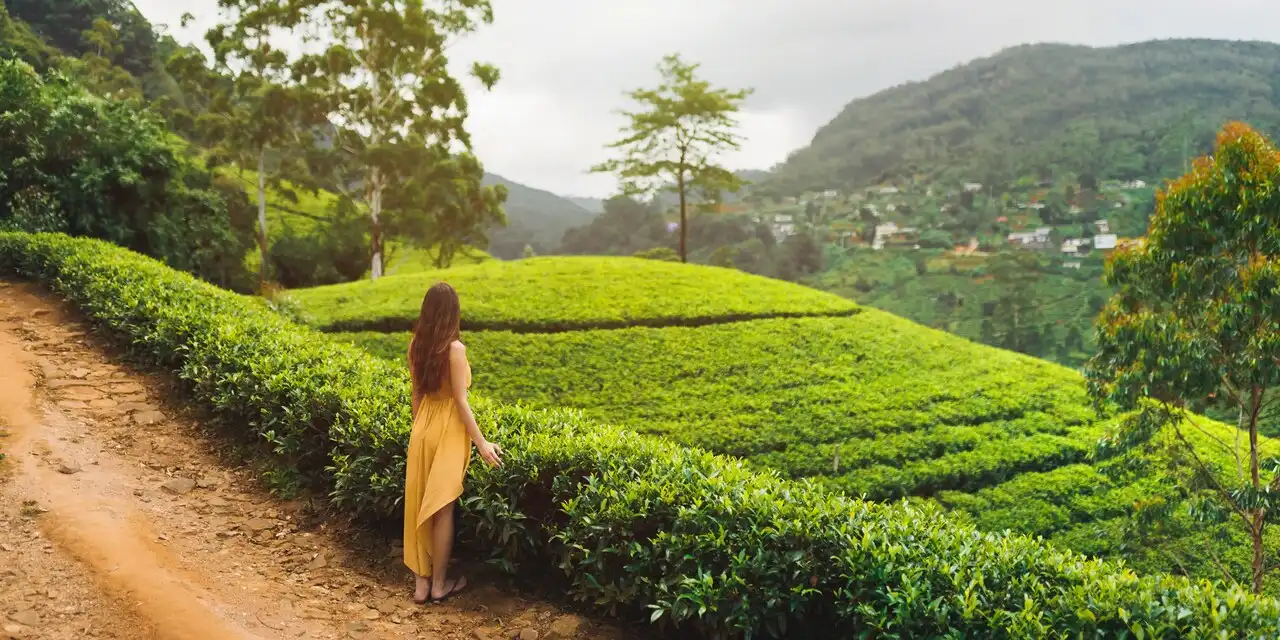
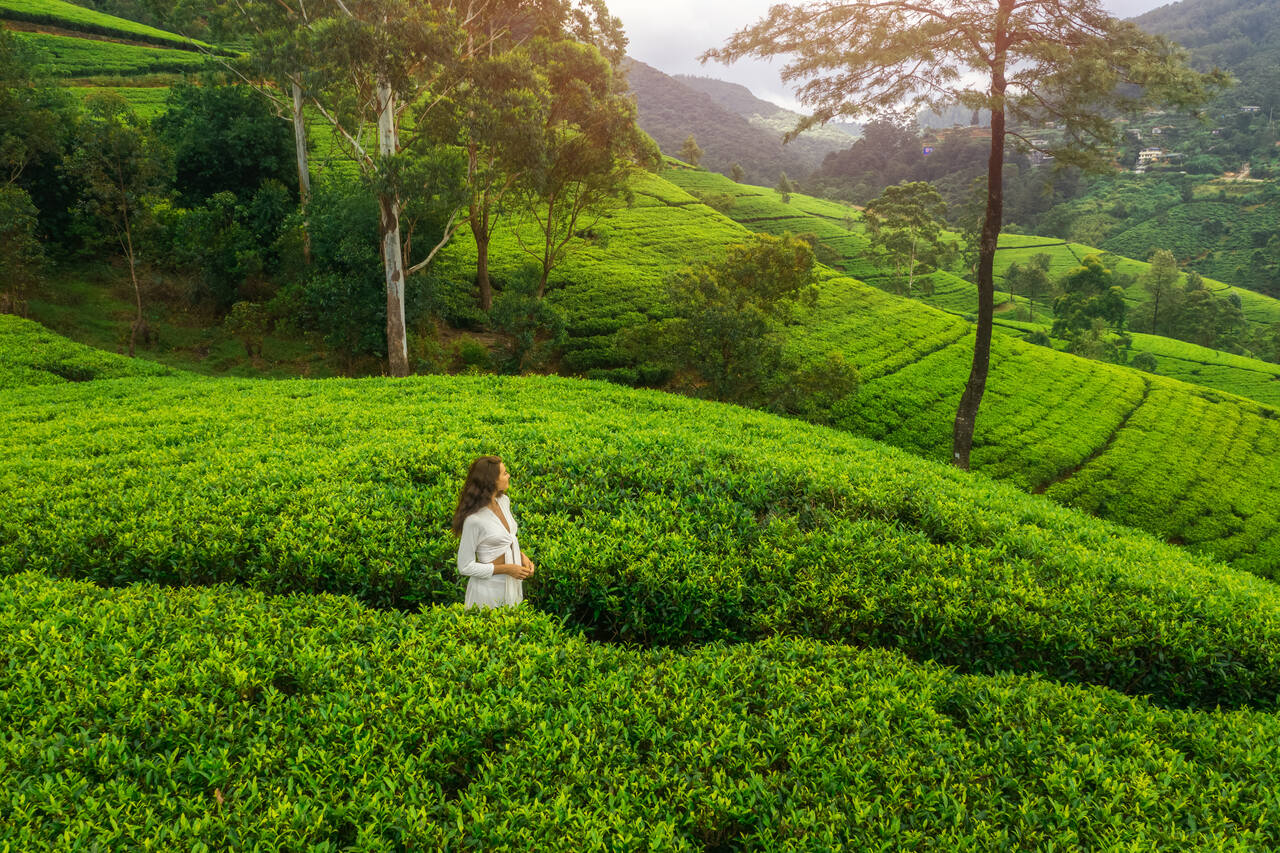
Tea country is a complete change of pace from the coast. At 1,000 to 2,000 metres above sea level, days are fresh and nights can be cool enough for a jumper. The landscape is some of the most beautiful in Asia, with neat rows of tea bushes, eucalyptus groves, reservoirs and waterfalls, and much of it is best explored on foot or by train.
There’s also the story. Sri Lanka tea began in 1867, when Scottish planter James Taylor planted the first commercial tea at Loolecondera estate near Kandy, after a fungal disease destroyed the island’s coffee crop. Tea soon covered the hills, and “Ceylon tea” became famous worldwide. Today the island is one of the world’s leading tea exporters, and the industry remains central to life in the hill country.
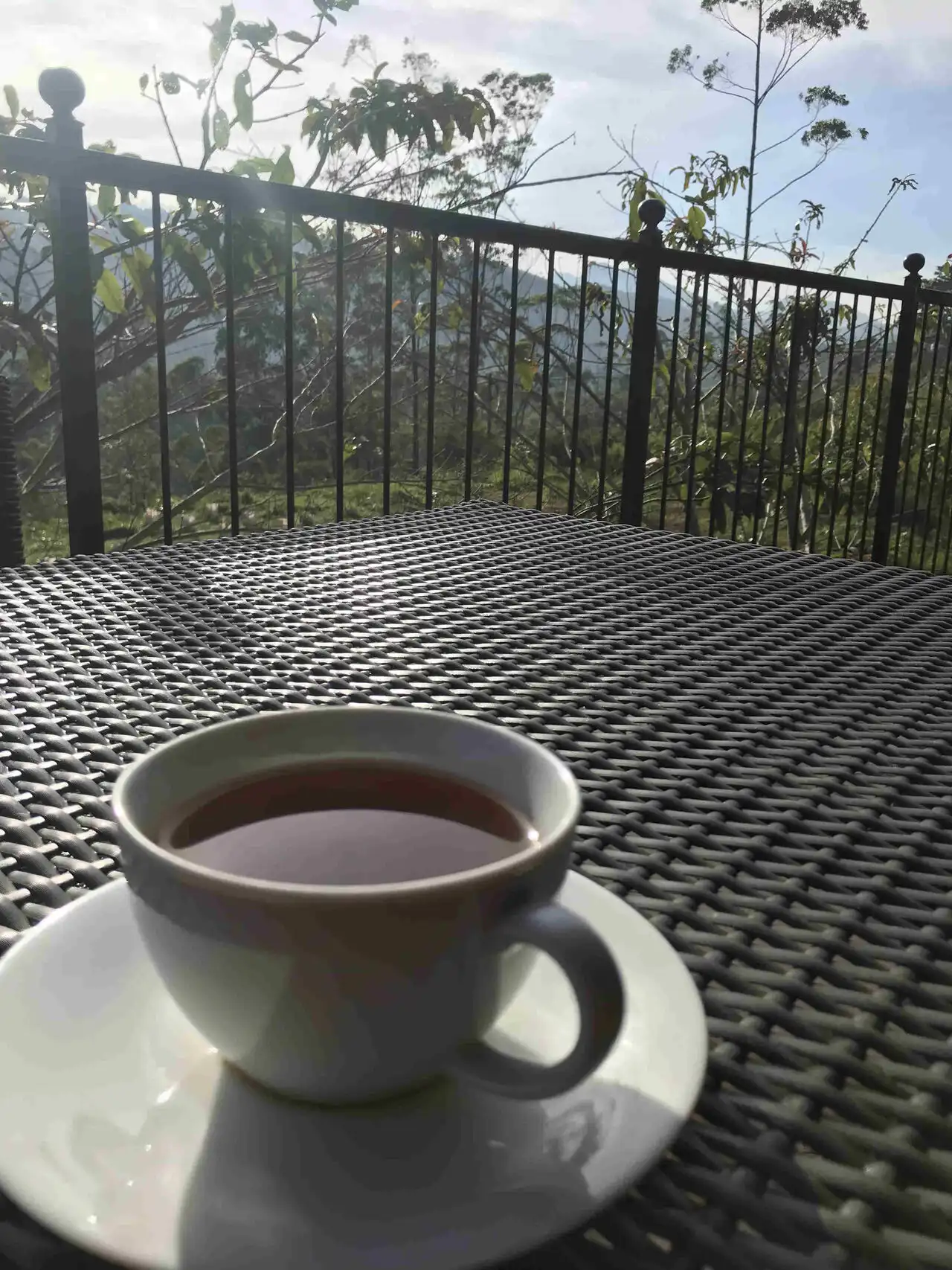
The Sri Lanka Tea Board recognises seven tea-growing regions, each with its own flavour. These are the ones most visitors include:
| Region | Elevation | Tea character | Why visit |
| Nuwara Eliya | High grown (around 1,800 m+) | Light, delicate and floral | Colonial town, Gregory Lake, Pedro Estate |
| Dimbula (Hatton) | High grown | Bright and refreshing | Castlereagh reservoir, Ceylon Tea Trails bungalows, Adam’s Peak |
| Uva (Ella, Haputale) | High grown | Distinctive, slightly mellow | Lipton’s Seat, Ella Rock, Nine Arch Bridge |
| Kandy | Mid grown | Full-bodied and strong | Ceylon Tea Museum, first tea estates |
| Ruhuna (near Galle) | Low grown | Rich and malty | Easy add-on to a south coast beach stay |
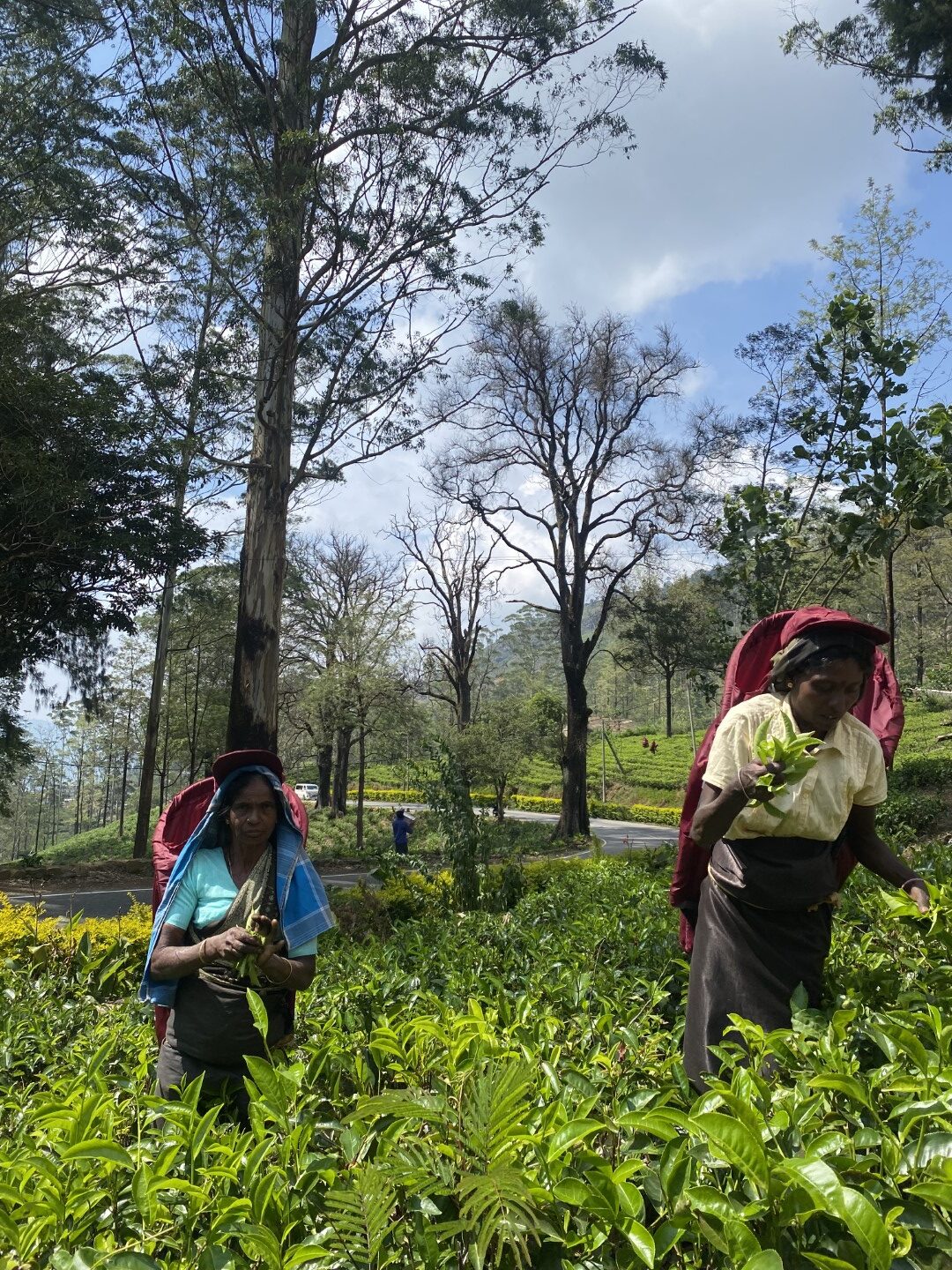
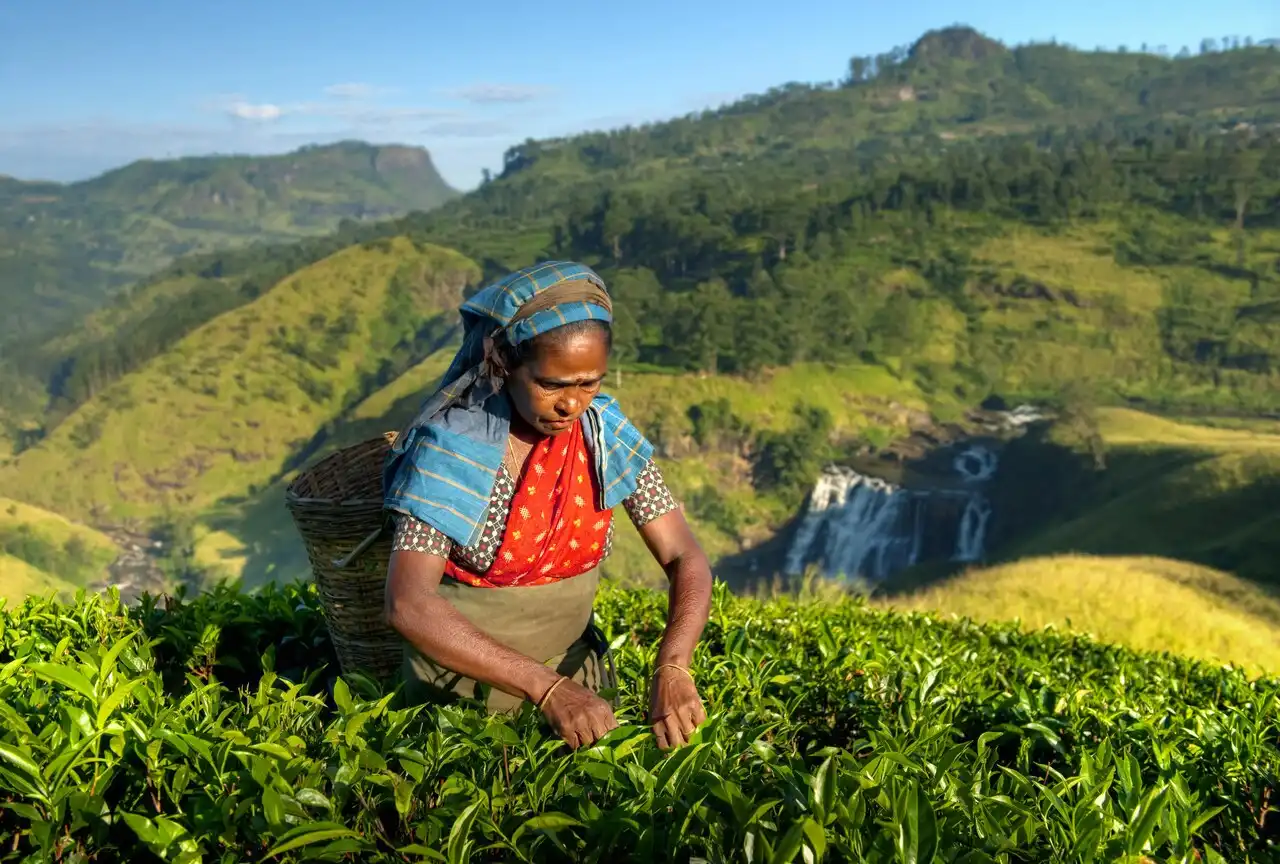
Most visits start in the fields. Your guide or estate planter will explain how only the top “two leaves and a bud” are picked, and you’ll see tea pluckers at work on the slopes. Many come from families who have worked the estates for generations, so please ask before taking photographs.
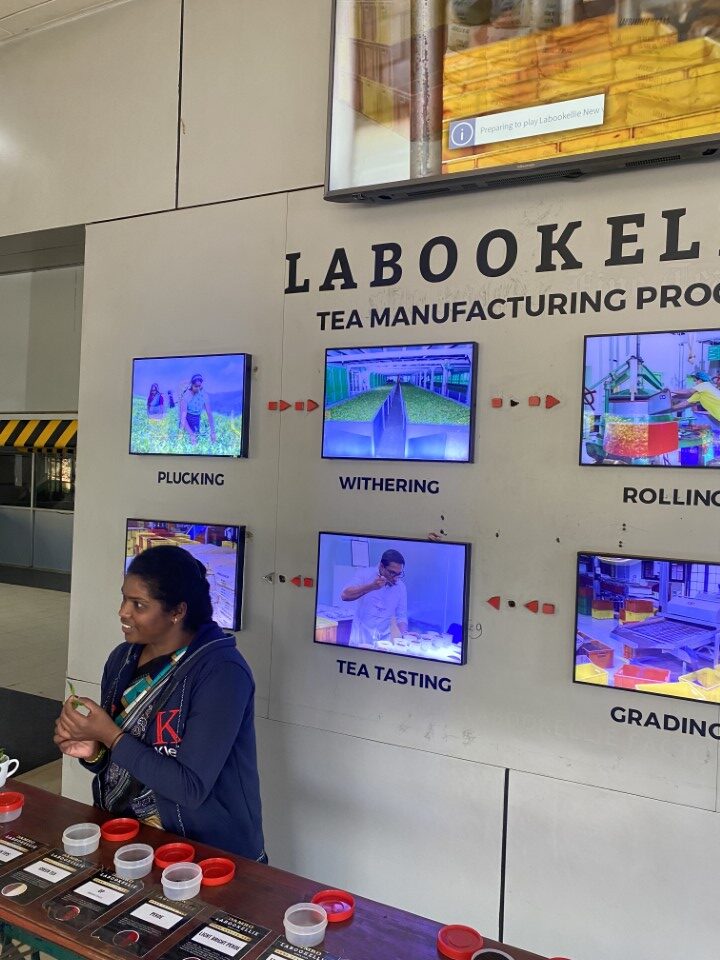
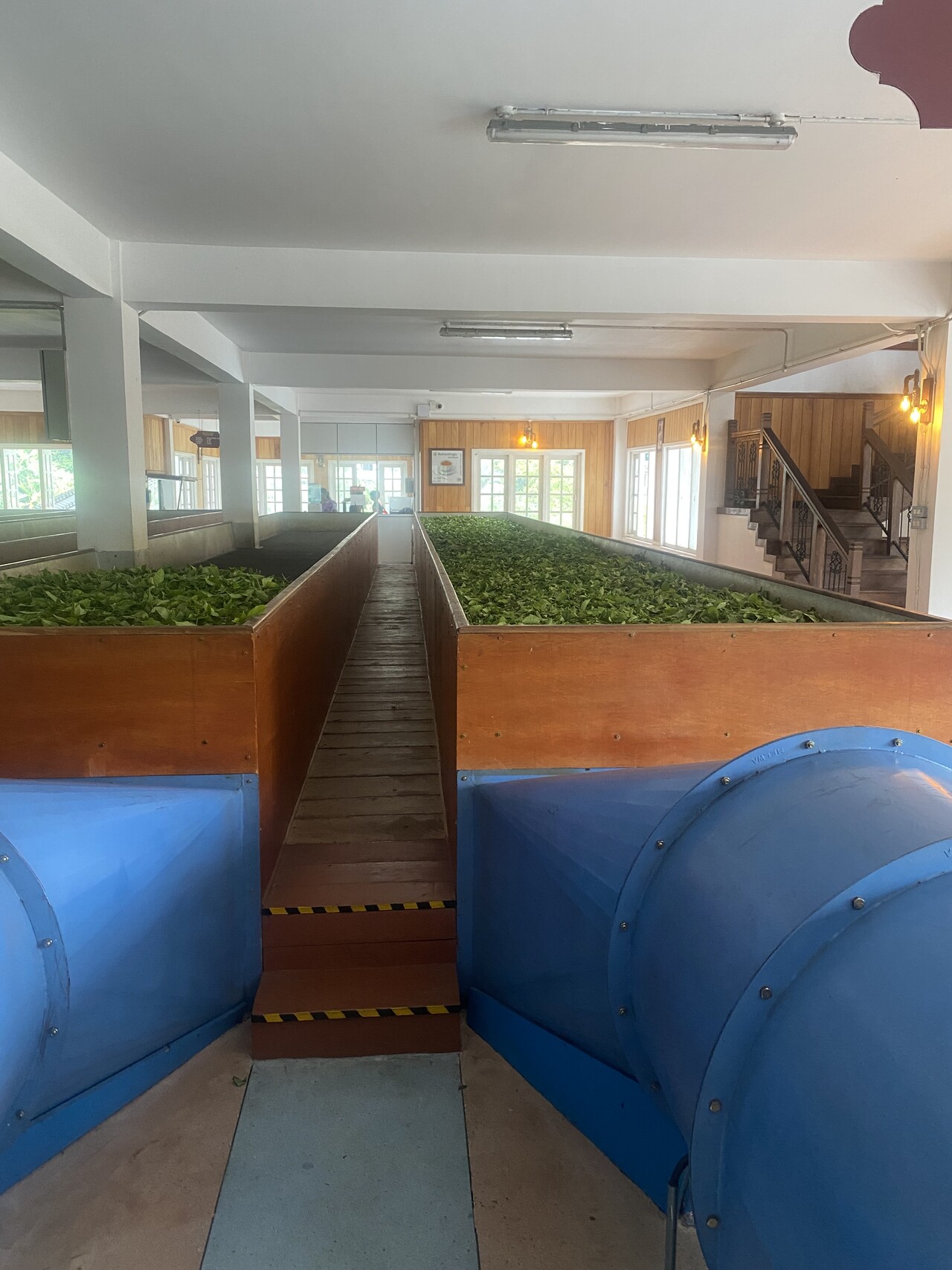
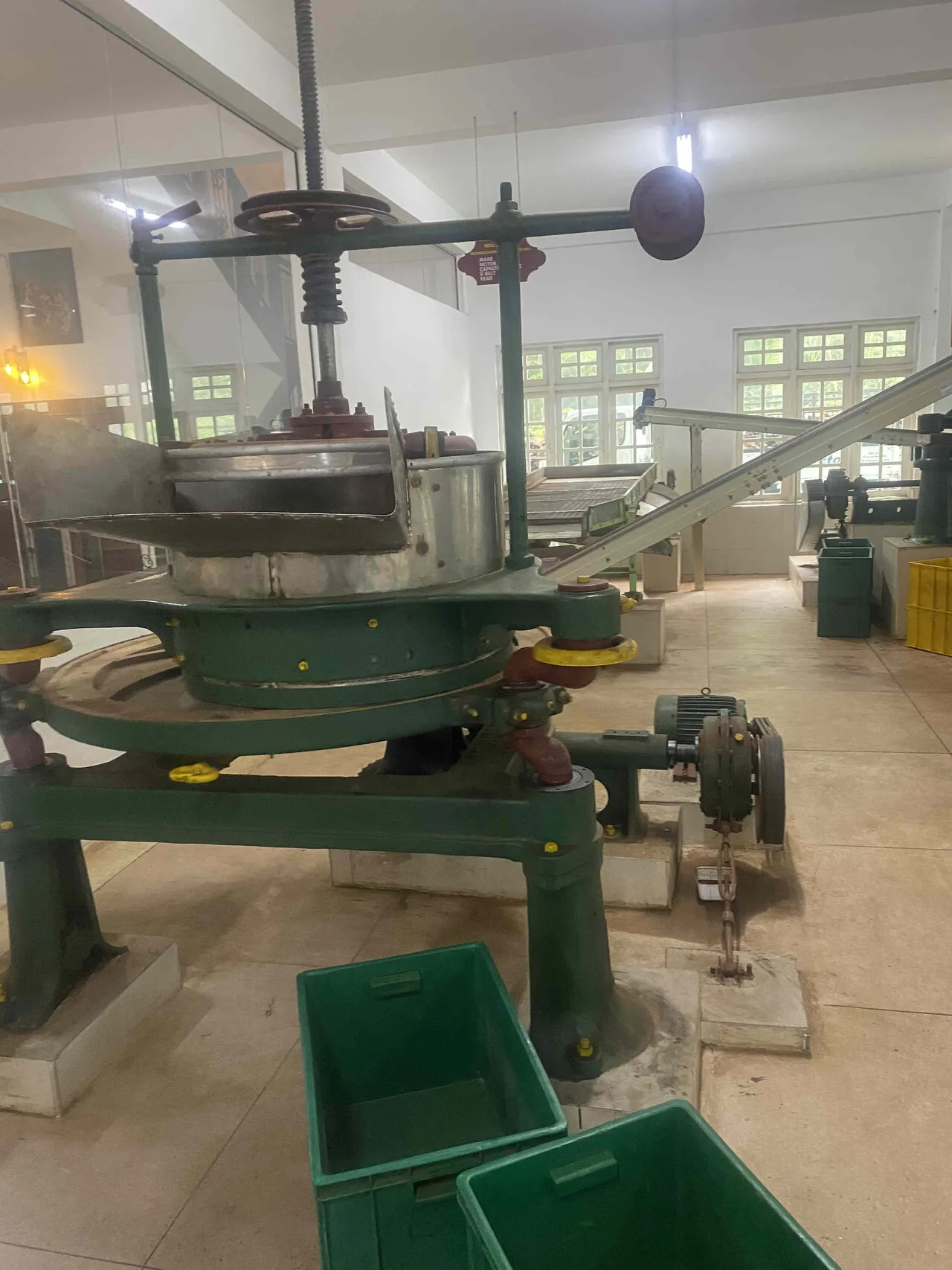
Inside the factory, you’ll follow the leaf through each stage of production:
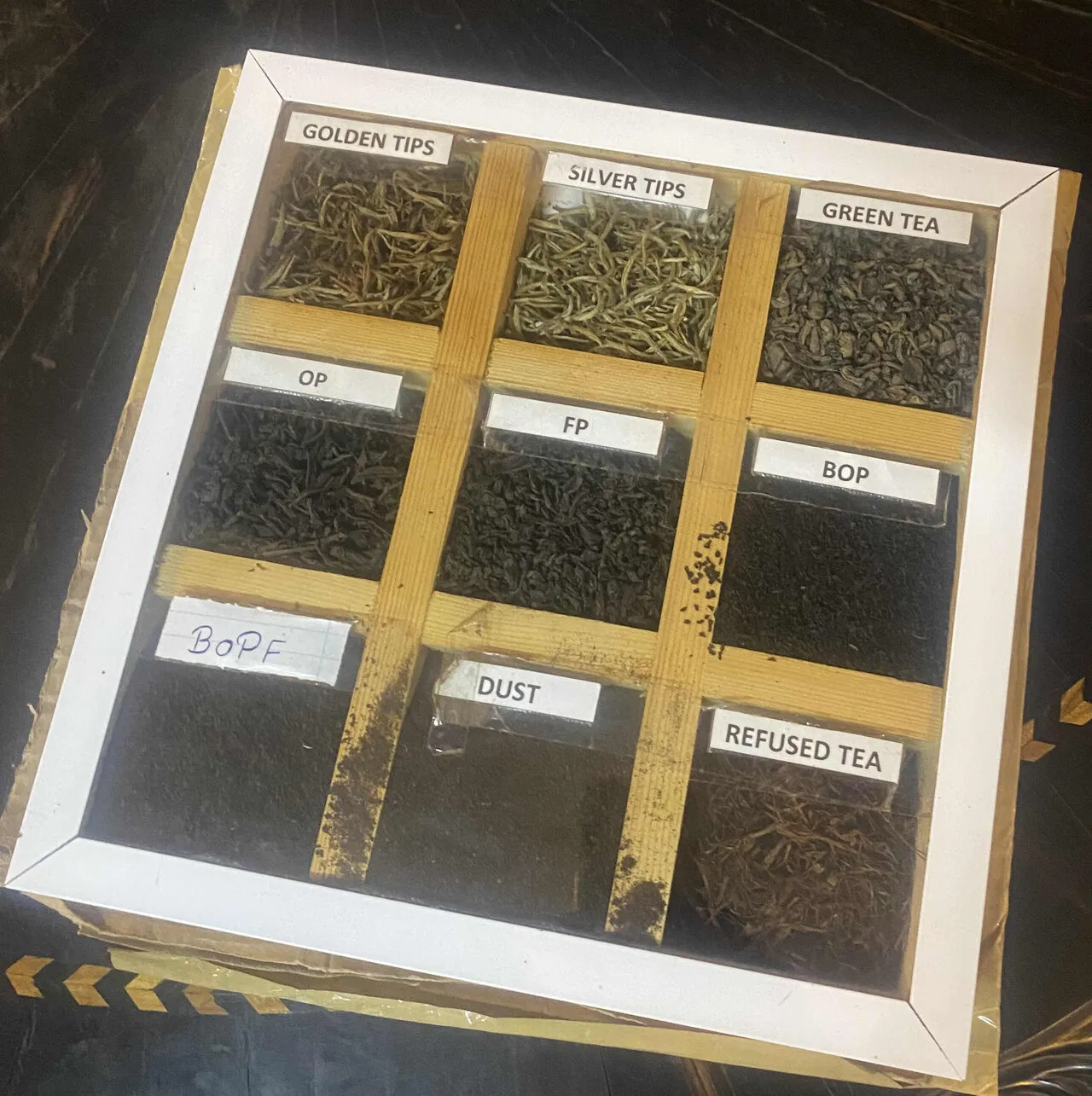
Tours usually end with a tasting, where you can compare high-grown and low-grown teas and buy direct from the estate. Pedro Estate near Nuwara Eliya, Dambatenne near Haputale (once owned by Sir Thomas Lipton) and Mackwoods Labookellie on the Kandy road are among the most popular tea plantation tours in Sri Lanka.
Staying on an estate is the best way to experience tea country, and it’s where the hill country really shines for luxury travellers.
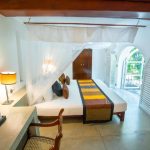
Ceylon Tea Trails in the Dimbula region is a collection of restored colonial planters’ bungalows set around Castlereagh reservoir near Hatton. Each bungalow has just a few suites, a personal butler and a resident chef. Afternoon tea is served on the lawn, and you can walk between bungalows along estate paths. It’s one of the most celebrated stays in Sri Lanka, so book well ahead for December to April.
Near Nuwara Eliya, Heritance Tea Factory is a former 1930s tea factory converted into a hotel, with original machinery kept on display and its own working mini-factory. At around 2,000 metres, it has sweeping views over the estates and cool, misty mornings.
Beyond these two, there are many smaller colonial bungalows and boutique hotels across Hatton, Nuwara Eliya, Haputale and Ella. Many have only a handful of rooms, open fires and gardens with views of the tea. Our hand-picked list of Sri Lanka’s finest stays is part of our Sri Lanka luxury holidays guide.
A luxury stay in tea country is about more than the room. We can arrange a private tasting with an estate tea master, who’ll teach you to judge a tea by its leaf, colour and aroma. You could join the pluckers for an early-morning session in the fields, take a guided walk with the estate manager through a working division, or enjoy a planter’s breakfast on a veranda overlooking the valley. In the evening, some bungalows serve dinners paired with different estate teas. These small, personal moments are what our UK guests talk about long after they’re home.

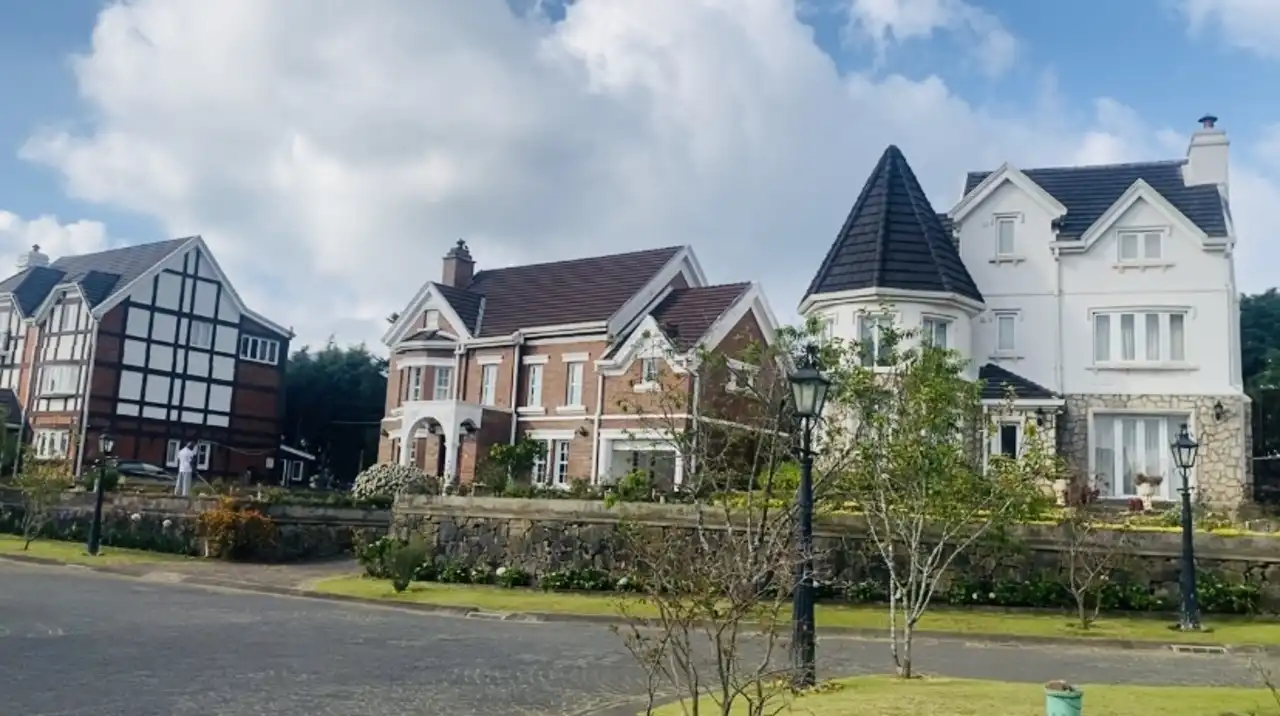
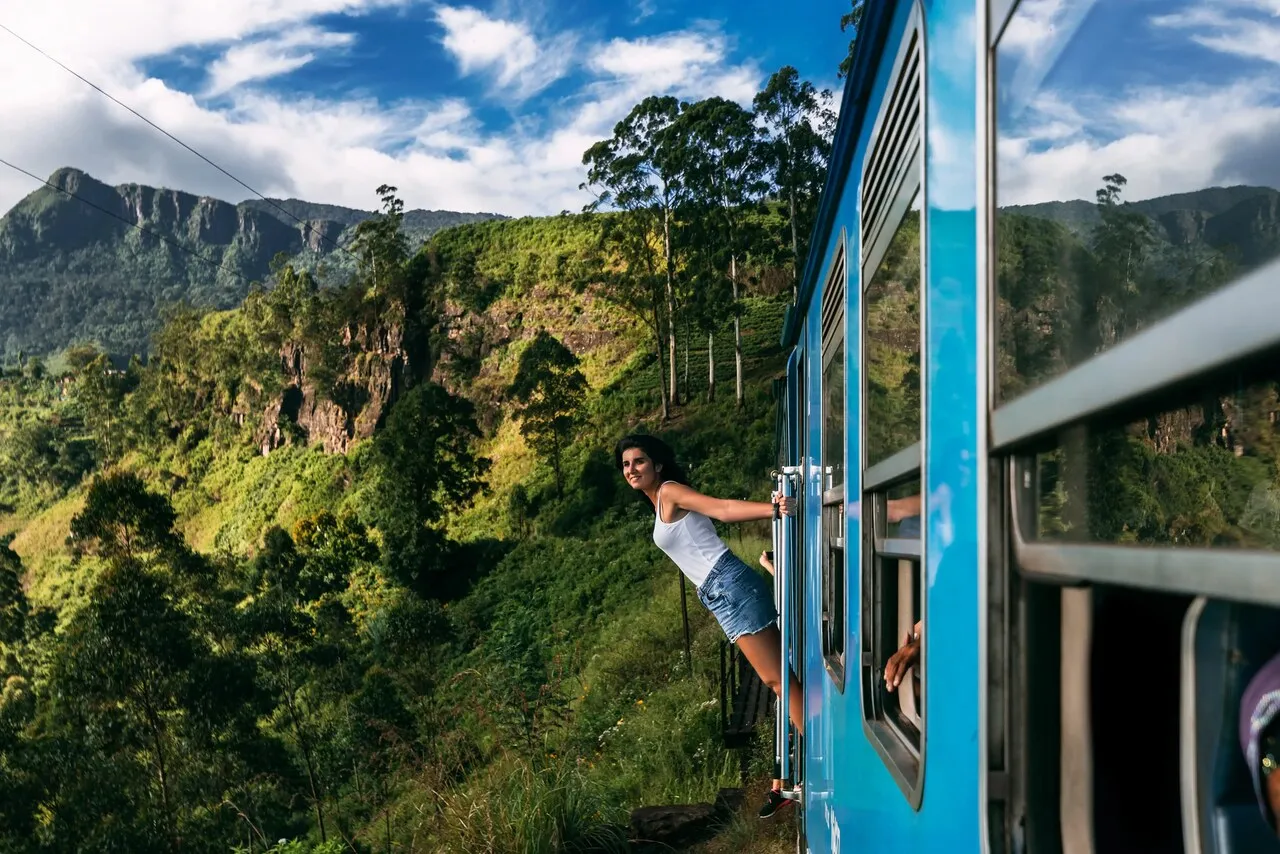
For more on Ella, Kandy and Nuwara Eliya, see our Sri Lanka hill country guide.
January to April is the driest and clearest time in the western tea regions of Nuwara Eliya, Hatton and Kandy, with crisp mornings and blue skies. Uva, around Ella and Haputale, sits on the eastern side of the hills and is often drier from May to September, so there’s good tea-country weather somewhere for much of the year. Tea is picked all year round, so factories are almost always working. See our month-by-month guide to the best time to visit Sri Lanka.

Tea country sits neatly in the middle of a classic route. A typical plan is Sigiriya and the Cultural Triangle, then Kandy, then two or three nights in the hill country, followed by a safari in Yala and a few days on the south coast. Allow at least two nights in tea country, or three if you’re staying in a tea bungalow; the drives are winding, and you’ll want time to slow down.
While the tea plantations are a highlight, a comprehensive Sri Lanka tour is about so much more. Our expert Sri Lanka Travel Agent partners can craft a tailored itinerary that combines the best of the island.
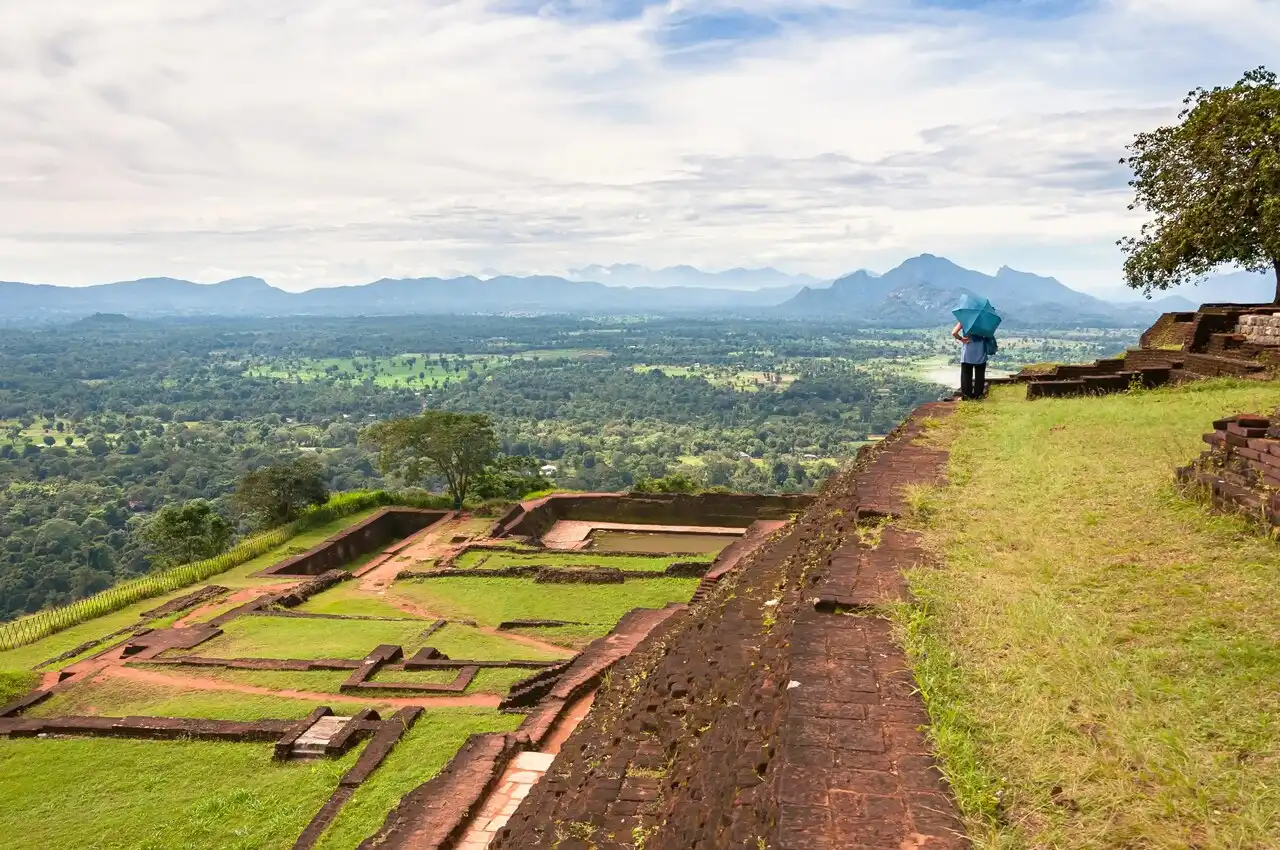
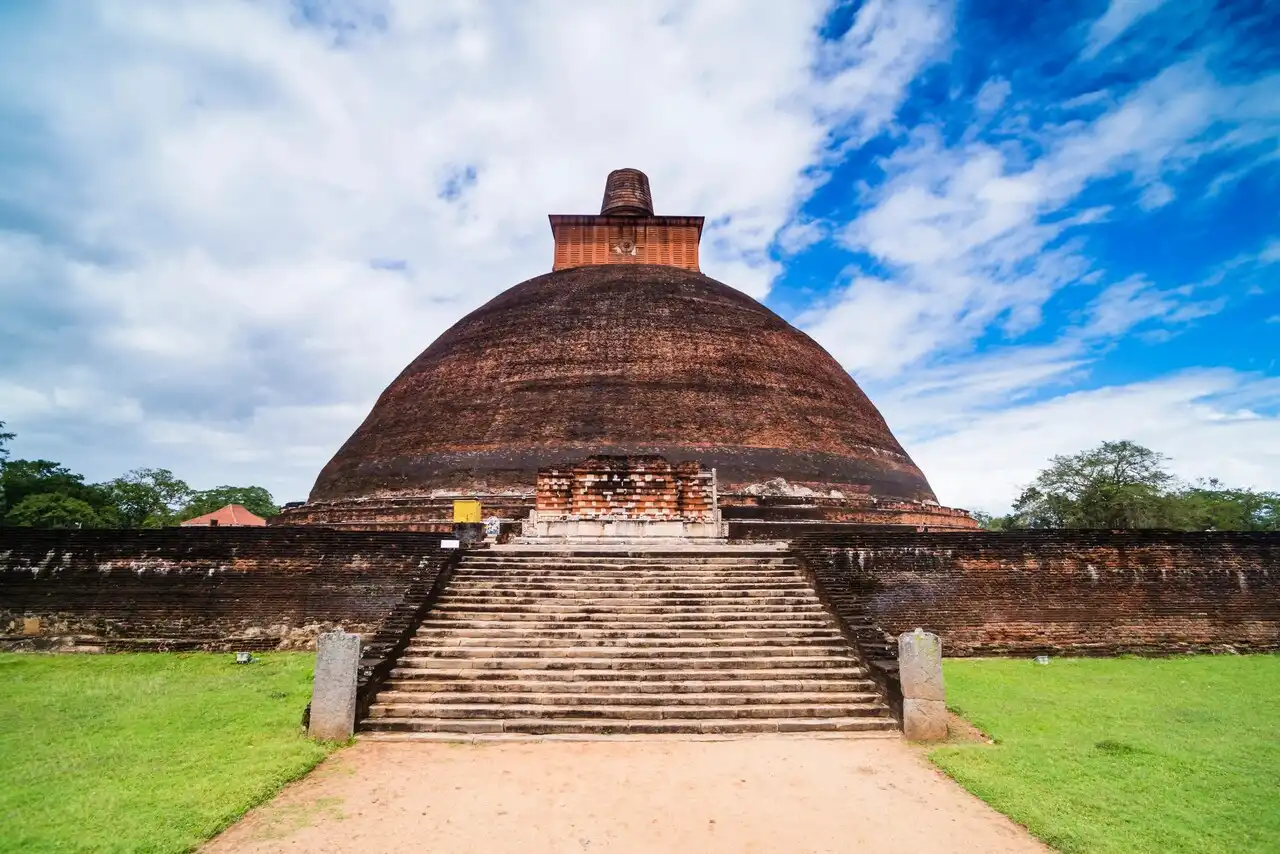
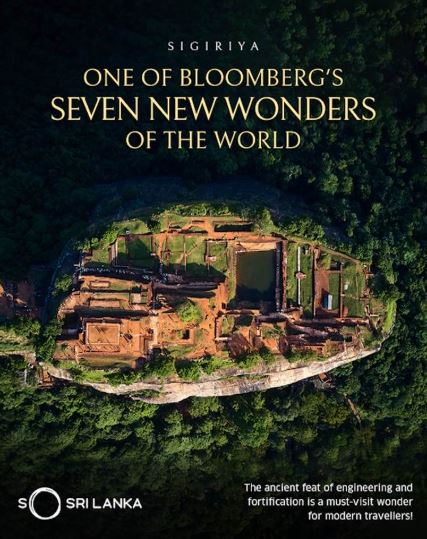
Discover the ancient wonders of the Cultural Triangle. You can climb the iconic rock fortress of Sigiriya Sri Lanka, a UNESCO World Heritage site that offers incredible panoramic views and a deep dive into the island’s history.
For nature lovers, a Sri Lanka wildlife tour is a must. A Yala Safari tours Sri Lanka experience will bring you face-to-face with leopards, elephants, sloth bears, and a huge variety of birdlife.
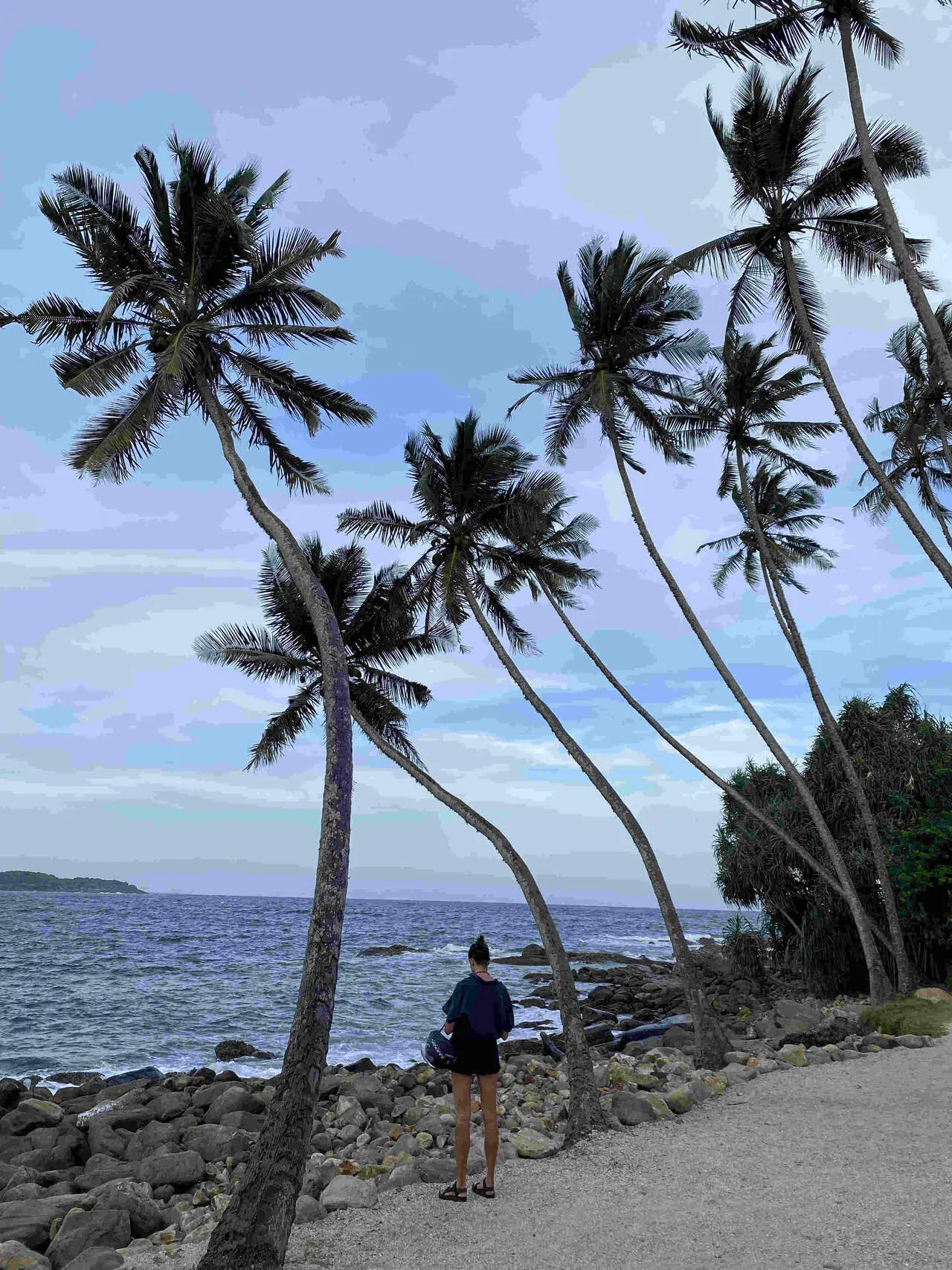
After days of adventure, unwind on a pristine beach. Whether you prefer the lively atmosphere of the south coast or a quieter, more secluded spot, our Sri Lanka holidays can be designed for perfect relaxation.



For those who enjoy a touch of luxury, we offer Sri Lanka luxury tours with stays in boutique hotels and private villas that provide exceptional service and comfort. Our Sri Lanka group tours are also a fantastic option for those who enjoy a more social travel experience, while a private tour Sri Lanka offers an intimate and personalised journey.

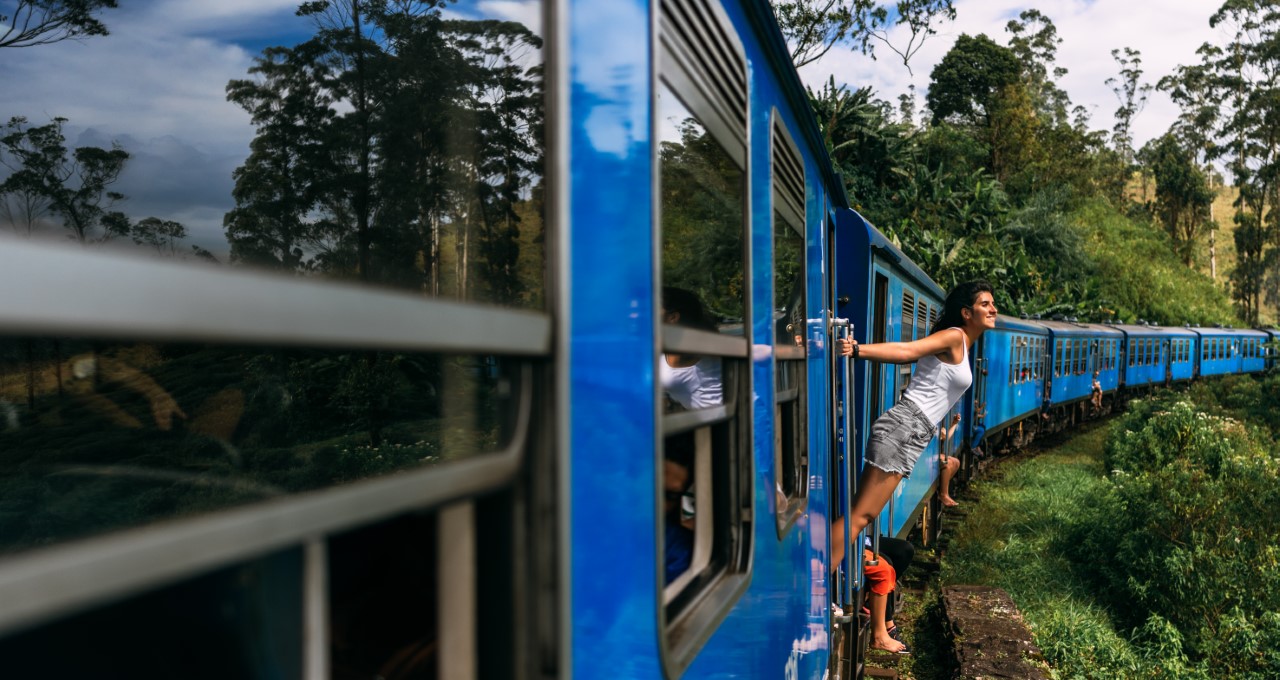
In recent years, Sri Lanka has received global recognition from major travel publications, with Lonely Planet and Wanderlust Magazine frequently praising its authentic experiences and rich diversity. This positive feedback from international sources only reinforces what we already know: Sri Lanka is a special place waiting to be explored.


From your first estate walk to afternoon tea on a planter’s lawn, tea country is often the part of Sri Lanka our UK guests remember most fondly. As an SLTDA-licensed specialist based in Colombo, Silk Way Ceylon Tours can arrange private estate visits, reserved train seats and stays in the finest tea bungalows, all with your own chauffeur-guide. Contact us today to plan a tailor-made Sri Lanka itinerary with time among the tea.