
Sri Lanka Travel Advice for UK Travellers: Visas, Safety, and Etiquette

Sri Lanka travel advice for UK travellers: is it safe, latest FCDO updates, health, money, local laws and travel insurance. Plan your trip.

Ayubowan! (That’s ‘hello’ in Sinhala).

Yes. Sri Lanka is generally safe for UK tourists, and as of its 21 September 2026 update, the FCDO does not advise against travel to any part of the country. The main risks are everyday ones: petty theft, card fraud, busy roads and strong sea currents. Right now, also allow for inter-monsoon flooding (October to November), fuel quotas (tour operators have special arrangements) and possible disruption to flights via the Middle East. This guide covers the latest Sri Lanka travel advice on safety, health, money, local laws and insurance.

“Is Sri Lanka safe?” is one of the first questions our UK guests ask, and it’s a sensible one to ask about any long-haul destination. The honest answer is that Sri Lanka is a welcoming, easy-going country where the vast majority of visits pass without any problems. A little local knowledge and the usual precautions go a long way.

As a Colombo-based tour operator, we look after travellers on the ground every day. Here’s our practical guide, alongside the official UK government advice.
Is Sri Lanka Safe for Tourists?

Sri Lanka is safe for tourists who take normal precautions. The FCDO, the UK government’s travel advice service, currently has no advice against travel to any region of Sri Lanka. Most visitors find the island friendly, relaxed and very welcoming to families.

Like anywhere popular with tourists, there are some things to watch for:

  • Petty theft: Bag snatching, sometimes from passing motorbikes, happens in busy areas. Keep valuables out of sight and bags on the side away from the road.
  • Card fraud: Use ATMs inside banks or hotels, and check machines for tampering.
  • Drink spiking: Never leave drinks unattended or accept them from strangers in bars.
  • Tuk-tuk overcharging: Use metered tuk-tuks or ride-hailing apps such as PickMe or Uber, or agree the fare before you set off.
  • Protests: Demonstrations can happen at short notice. Avoid any crowds or gatherings.

As in most countries, the FCDO notes that a terrorist attack can’t be ruled out. Stay alert in crowded places and follow the advice of local authorities.

What Is the Latest Sri Lanka Travel Advice? (October 2026)

The FCDO last updated its Sri Lanka travel advice on 21 September 2026. The current points to be aware of are:

  • Flooding and landslides: Heavy inter-monsoon rain has raised the risk of floods and landslides, particularly in October and November. Follow local advice; we adjust routes where needed.
  • Fuel quotas: The government has introduced weekly fuel quotas for vehicles, with special arrangements for tour operators and hotels to keep tourism running smoothly.
  • Flight disruption: Tensions in the Middle East may delay or re-route flights through Gulf hubs. Check with your airline, and consider the direct London Heathrow to Colombo route.
  • Help line: The Sri Lanka Tourism hotline, 1912, offers 24-hour assistance to visitors.

Advice can change quickly, so check the FCDO page before you book and again just before you travel.
Entry Requirements for UK Citizens

British passport holders need an Electronic Travel Authorisation (ETA) before they fly. Since 25 May 2026 it has been free and allows a 30-day stay with double entry. Your passport should be valid for at least six months. Our guide to the free Sri Lanka ETA for UK visitors explains how to apply step by step.
Health Advice for Sri Lanka

  • Vaccinations: Check the latest recommendations on TravelHealthPro or with your GP at least eight weeks before you travel.
  • Mosquitoes: Sri Lanka was certified malaria-free in 2016, but dengue is present. Use repellent and cover up at dawn and dusk.
  • Animals: Avoid stray dogs and monkeys, as rabies is present. Seek medical help immediately after any bite or scratch.
  • Water and food: Drink bottled or filtered water. Busy restaurants and freshly cooked food are the safest choices.
  • Medicines: Some UK prescription medicines are regulated differently. Carry them in original packaging with a copy of your prescription.
  • Healthcare: Private hospitals in Colombo and Kandy are good, but care is more limited in rural areas. The ambulance number is 1990.

Do You Need Travel Insurance for Sri Lanka?

Yes. Travel insurance for Sri Lanka is essential, and the FCDO strongly recommends it. Make sure your policy covers medical treatment and repatriation, since private healthcare can be expensive. Also check that it covers the activities you have planned, such as safaris, surfing, whale watching, hiking or hot-air ballooning. If you’re travelling during the inter-monsoon months, check how the policy handles weather disruption.

Money Tips for Sri Lanka

The currency is the Sri Lankan rupee (LKR). It’s easiest to get rupees on arrival from ATMs or exchange counters at the airport, rather than in the UK. Cards are widely accepted in hotels, larger restaurants and shops, but carry cash for tuk-tuks, markets, temple donations and tips. Tell your bank you’re travelling, and use ATMs inside banks where possible. Exchange rates change daily, so check a live rate before you change money.

Local Laws and Customs to Know

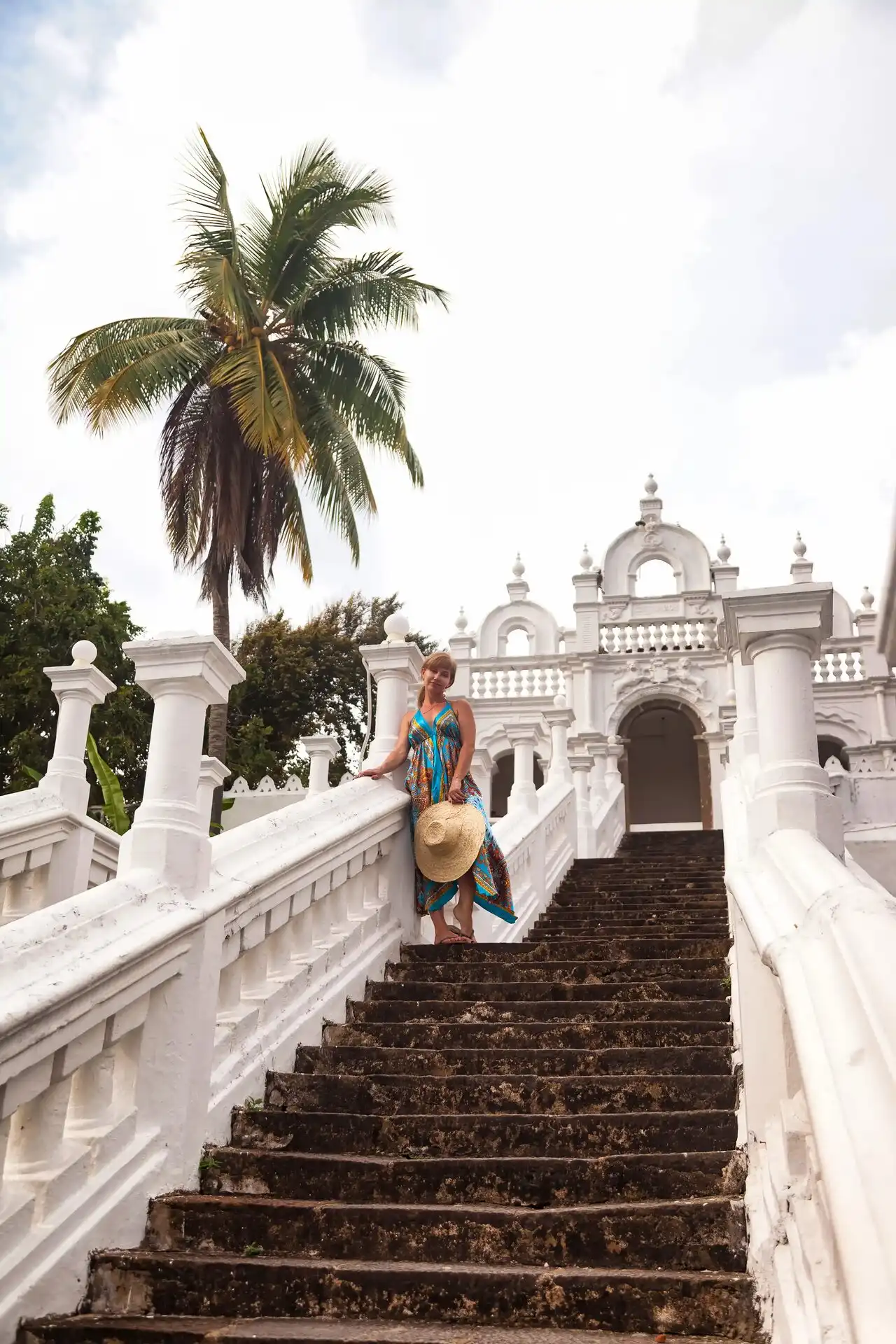
  • Respect Buddha images: Disrespecting Buddhist images is taken very seriously. Don’t pose for photos with your back to a Buddha statue. Visible tattoos of the Buddha have led to tourists being refused entry or deported, so keep them covered.
  • Temple etiquette: Cover your shoulders and knees, remove shoes and hats, and don’t point your feet towards statues or monks.
  • Photography: Don’t photograph military or security sites, and ask before photographing people.
  • Alcohol: Many places don’t sell alcohol on Poya (full moon) days.
  • Drugs: Penalties for drug offences are severe.
  • LGBT+ travellers: Same-sex sexual activity remains illegal under Sri Lankan law, although prosecutions are rare. Public displays of affection are generally discouraged for all couples.

Getting Around Safely

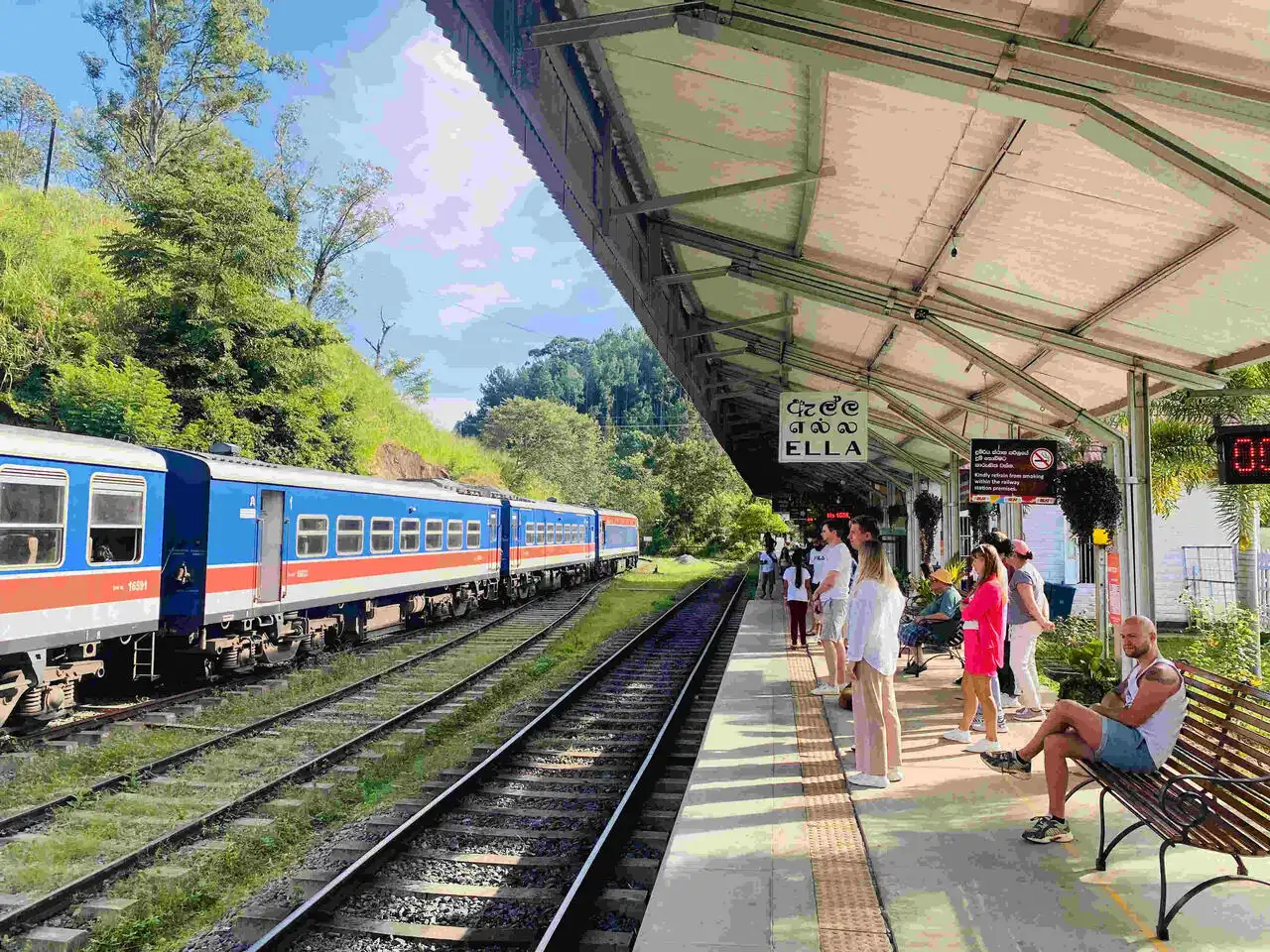
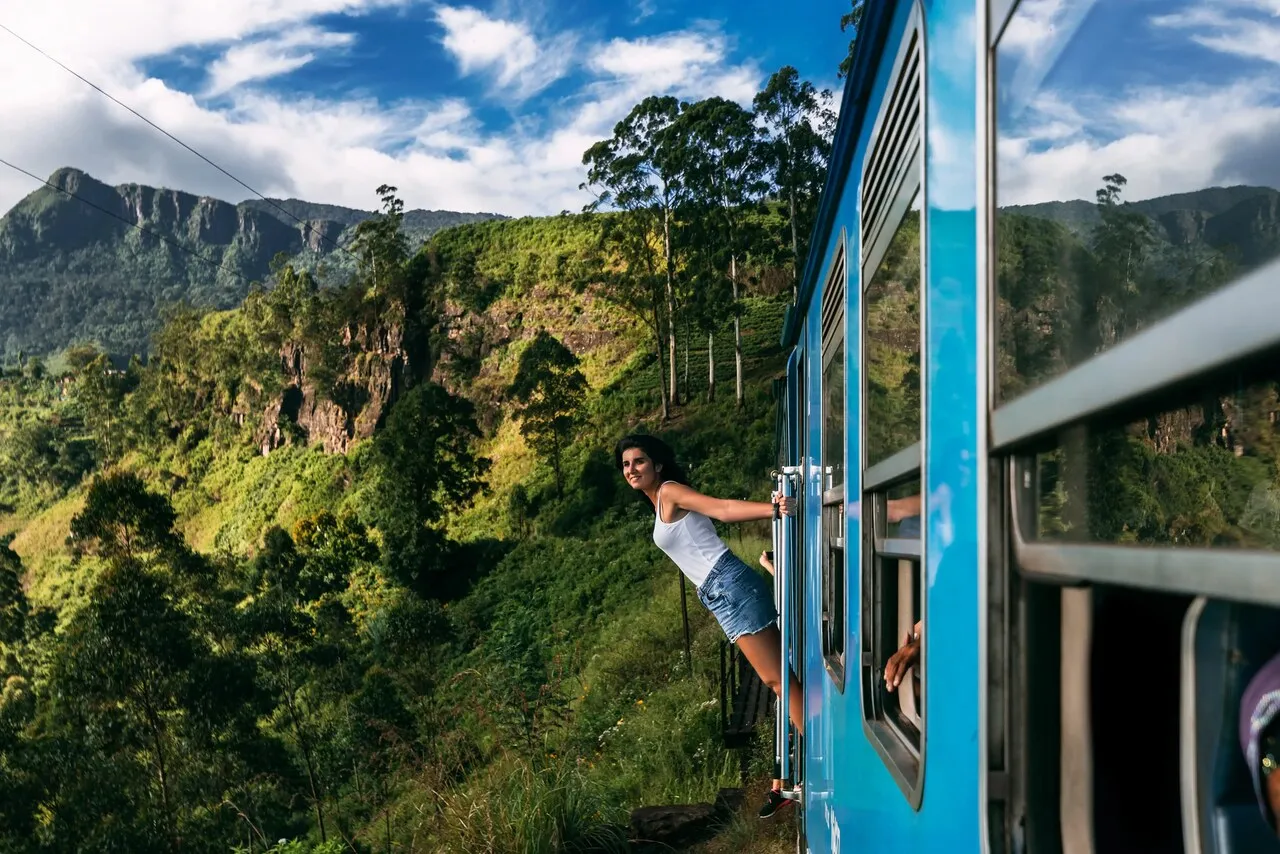
Roads in Sri Lanka can be busy and unpredictable, with buses, tuk-tuks, cyclists and wandering animals sharing narrow lanes. Driving at night is best avoided. Self-drive requires an International Driving Permit plus a local recognition permit, so most visitors choose a private driver in Sri Lanka instead. It’s safer, more relaxing and gives you a local expert for the whole trip. Trains are a lovely way to see the hill country; book reserved seats.

Beach and Wildlife Safety

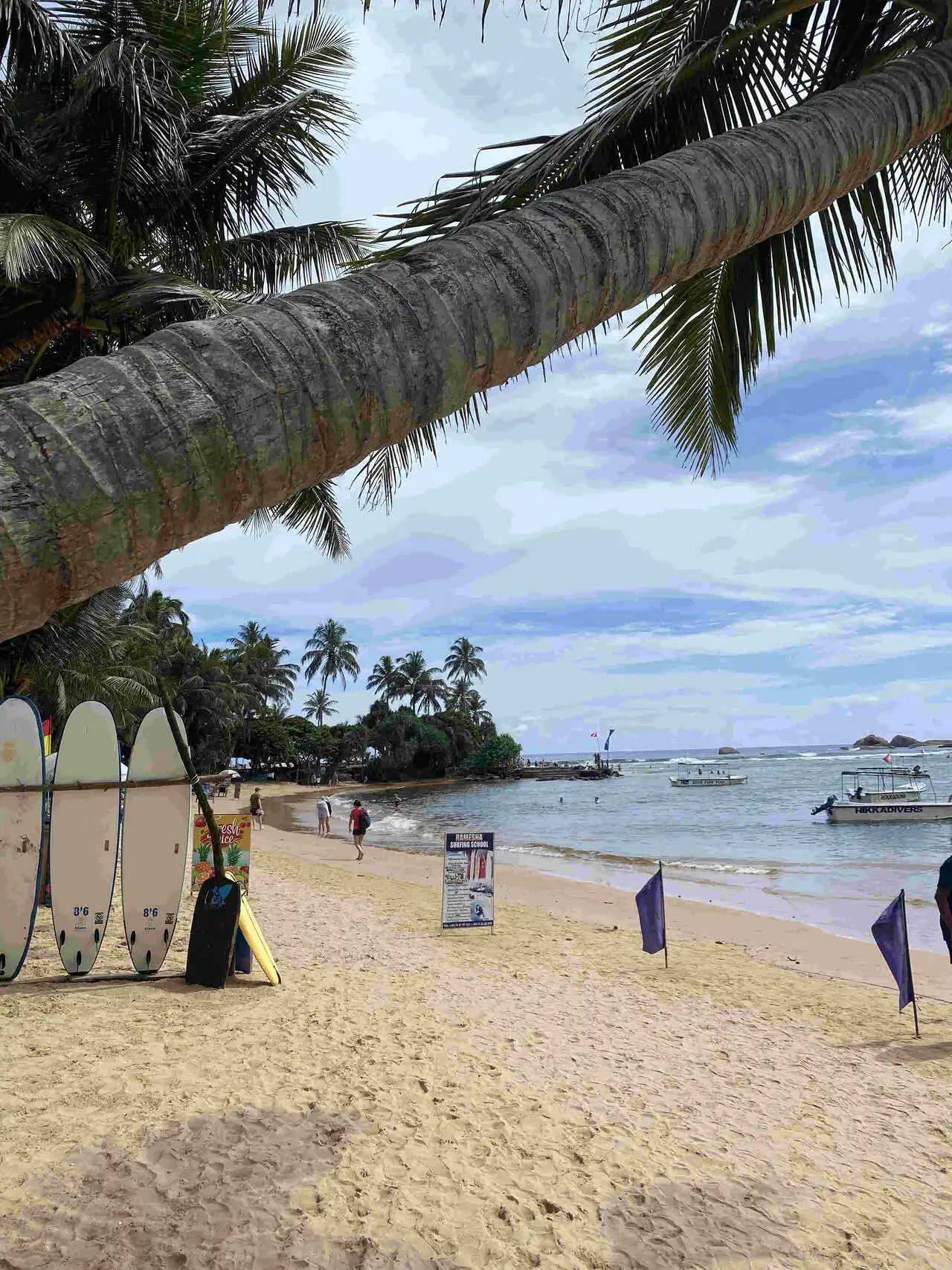
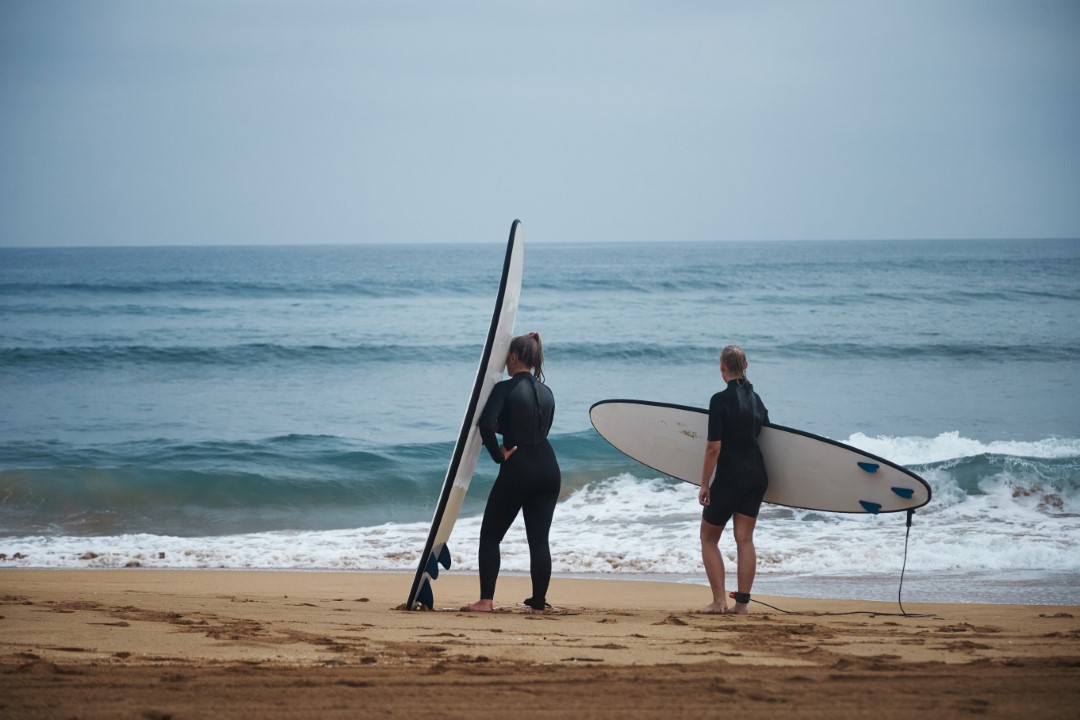
  • Sea currents: Rip currents can be strong, especially on the coast that is out of season. Swim where hotels and locals advise, and follow red flags.
  • Wild elephants: Never approach or feed them, and keep your distance on roads near national parks.
  • On safari: Stay in the jeep at all times and follow your tracker’s instructions.

Tips for Women Travelling in Sri Lanka

Many women travel in Sri Lanka without problems, but unwanted attention and harassment can happen in crowded places such as buses, stations and markets. Dressing modestly away from the beach, using trusted transport after dark and travelling with a reputable guide all help. Our female guests often tell us that having a private driver-guide made them feel completely at ease.

How Travelling With a Local Specialist Keeps You Safe

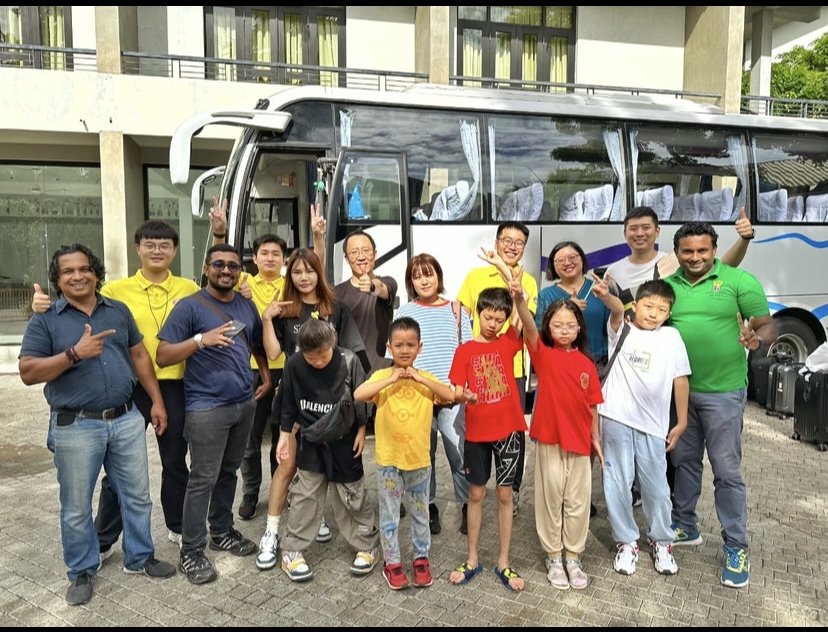
Booking with a licensed local operator removes most of the everyday risks. Your chauffeur-guide knows the roads, the weather and the areas to avoid. Hotels are vetted, airport transfers are pre-arranged, and someone is always on call if plans need to change. On our luxury trips, we add private airport meet-and-greet, hand-picked boutique hotels and villas, and route changes in real time if weather or flooding affects an area. Explore our Sri Lanka luxury holidays for more.
Travel to Sri Lanka With Confidence

With sensible precautions and up-to-date advice, Sri Lanka is a safe, rewarding and wonderfully welcoming destination for UK travellers. As an SLTDA-licensed specialist based in Colombo, Silk Way Ceylon Tours monitors local conditions every day and plans routes around the weather and the latest guidance, with 24-hour support throughout your stay. Contact us today to plan your tailor-made Sri Lanka itinerary.
Contact us today to have a tailor-made Sri Lanka tour plan with our friendly team. We can’t wait to help you create memories that will last a lifetime.


FAQs on Travel Advice for UK Citizens: Visas, Safety, and Etiquette

Yes, for most travellers. As of the FCDO’s 21 September 2026 update, there is no advice against travel to any part of Sri Lanka. Check for inter-monsoon flooding, fuel quotas and flight disruption via the Middle East, and read the latest FCDO advice before you go.
Many women travel solo in Sri Lanka without problems. Harassment can happen in crowded places, so dress modestly away from the beach, use trusted transport after dark and consider a private driver-guide.
Yes. Sri Lanka is very welcoming to families. Take normal precautions with sun, water, road safety and animals, and choose sheltered beaches for swimming.
Yes. The FCDO strongly recommends comprehensive travel insurance that covers medical treatment, repatriation and any activities you plan, such as safaris or surfing.
Check the latest recommendations on TravelHealthPro or with your GP at least eight weeks before you travel. Bring mosquito repellent to protect against dengue.
The exchange rate changes daily, so check a live rate before you travel. It’s usually best to get rupees from ATMs or exchange counters on arrival in Sri Lanka.
Yes. Visa and Mastercard are widely accepted in hotels and larger shops, and ATMs are easy to find. Use ATMs inside banks where possible, and tell your bank you’re travelling.
Don’t pose with your back to Buddha statues, show Buddha tattoos, wear shoes or hats in temples, photograph military sites or approach wild elephants. Avoid drugs, as penalties are severe.
It’s best to drink bottled or filtered water. Many hotels provide filtered water, and you can use a refillable bottle to cut down on plastic.
Call 119 for police and 1990 for an ambulance. The Sri Lanka Tourism hotline, 1912, offers 24-hour help for visitors.