
The best safari in Sri Lanka depends on what you want to see. Yala has one of the world’s highest leopard densities. Wilpattu is the quieter choice for leopards and sloth bears. Udawalawe offers near-certain elephant sightings all year, and Minneriya hosts the Elephant Gathering from July to September. For birds, head to Bundala or Kumana. This guide compares the national parks, the animals you can see, the best months for each and how to see them responsibly.
Most UK travellers don’t expect Sri Lanka to rival Africa or India for wildlife, and most leave amazed. In a country smaller than Ireland, you can track leopards in the morning and watch wild elephants bathing in the afternoon, and there are more than 20 national parks to choose from.
The hard part is choosing. This guide compares the main national parks in Sri Lanka so you can match your safari to the animals you most want to see and the time of year you’re travelling.

| Park | Region | Famous for | Best months |
| Yala | South-east | Leopards, sloth bears, elephants, crocodiles | February to July |
| Wilpattu | North-west | Leopards and sloth bears; quiet lakes (villus) | February to October |
| Udawalawe | South | Elephant herds, often within minutes | All year |
| Minneriya and Kaudulla | Cultural Triangle | The Elephant Gathering | July to September |
| Bundala | South coast | Wetland birds, flamingos in winter | November to March |
| Kumana | East | Birdlife and leopards, near Arugam Bay | May to September |
| Gal Oya | East | Boat safaris; elephants swimming between islands | April to September |
| Horton Plains | Hill country | Sambar deer, endemic birds, World’s End | January to April |
Yala National Park in Sri Lanka is the island’s most famous park, and for good reason. Its dry scrub, rocky outcrops and lagoons hold one of the highest leopard densities in the world, along with sloth bears, elephants, mugger crocodiles and peacocks strutting across the tracks. Yala is busy, especially in Block 1, so start at dawn and choose an experienced tracker. Part of the park usually closes for several weeks from early September during the driest period. See more things to do in Yala.
Wilpattu National Park in Sri Lanka is the country’s largest park, set in the north-west near Anuradhapura. Its natural lakes, called villus, attract leopards, sloth bears, deer and water birds. With far fewer jeeps than Yala, it feels wild and unhurried, which makes it ideal for photographers and anyone who prefers a quieter safari. Combine it with the Cultural Triangle or the coast at Kalpitiya.
If elephants are your priority, Udawalawe National Park in Sri Lankararely disappoints. Its open grasslands around a large reservoir make herds easy to see, often with young calves. The park is good all year round and easy to include between the hill country and the south coast. Next door, the Elephant Transit Home rehabilitates orphaned calves and releases them back into the wild.
From July to September, as water sources dry up, hundreds of elephants gather on the grassy shores of Minneriya’s ancient reservoir. It’s one of Asia’s great wildlife spectacles, and it happens during the UK summer holidays. Your guide will choose between Minneriya and neighbouring Kaudulla depending on where the herds are on the day.
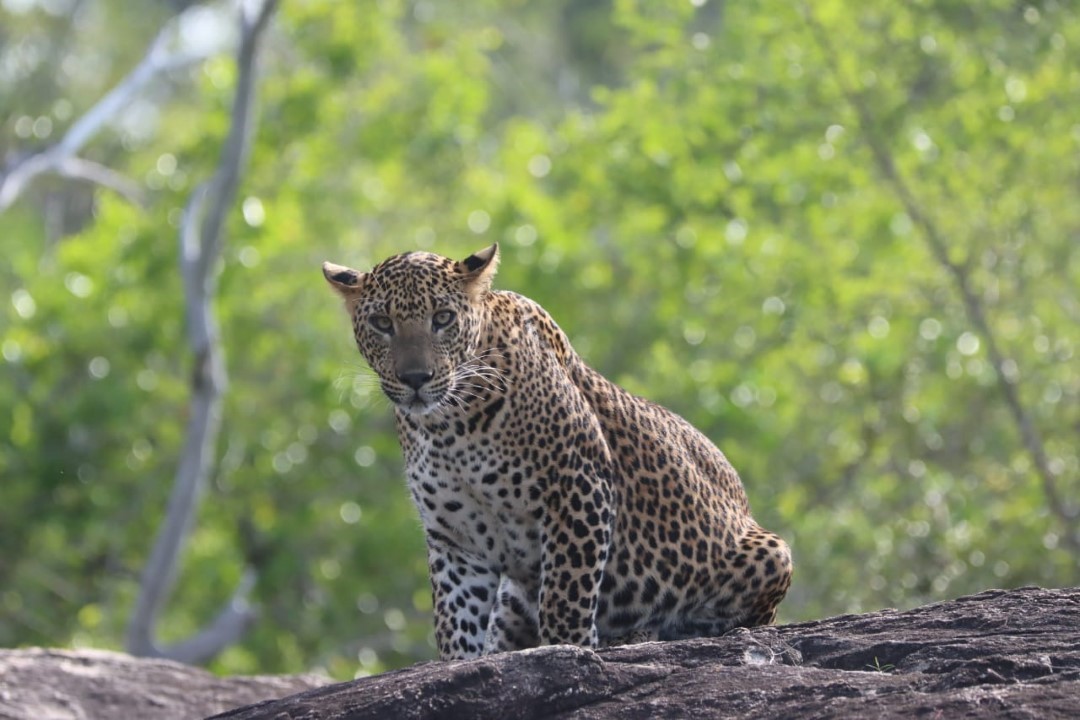
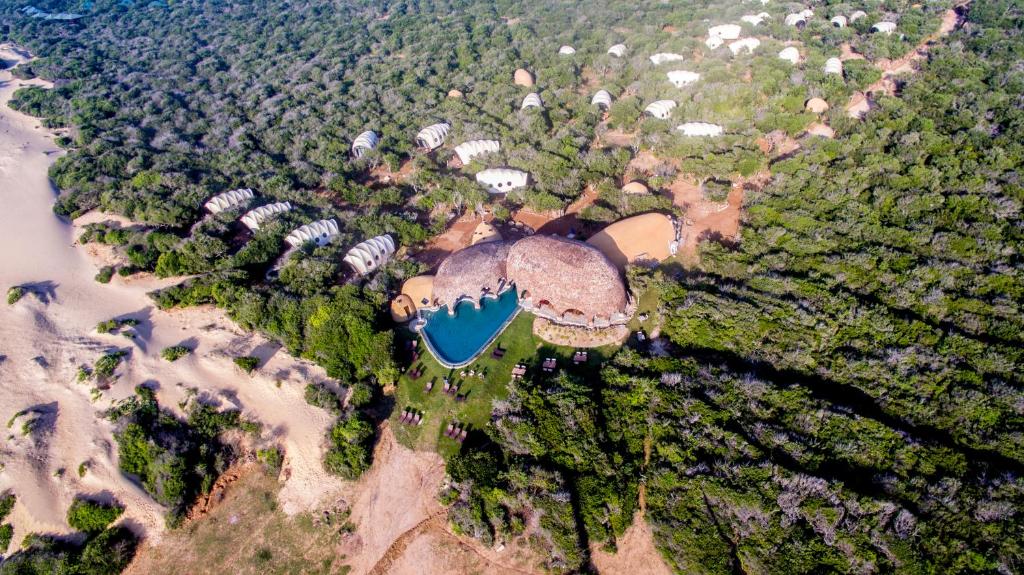

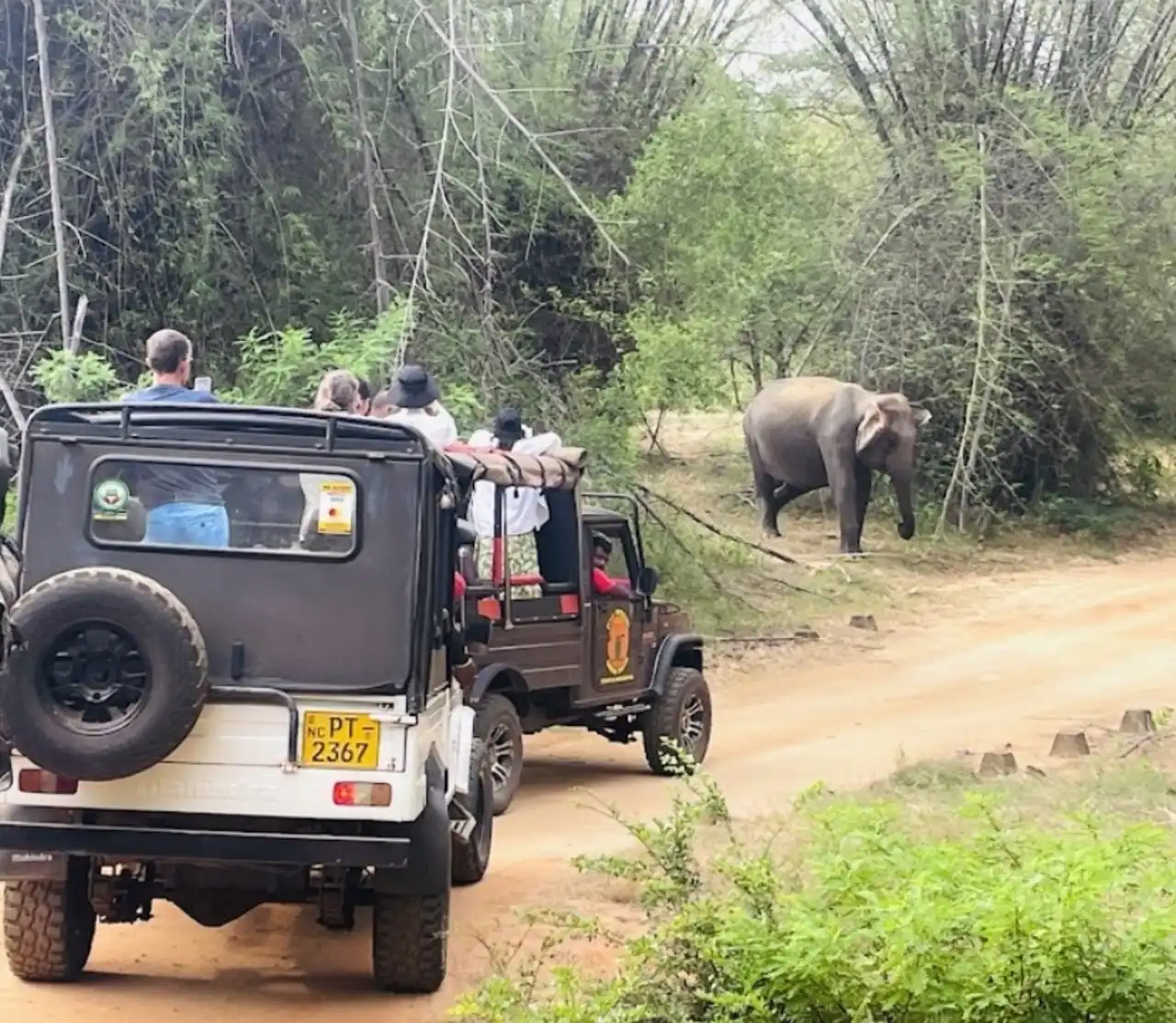

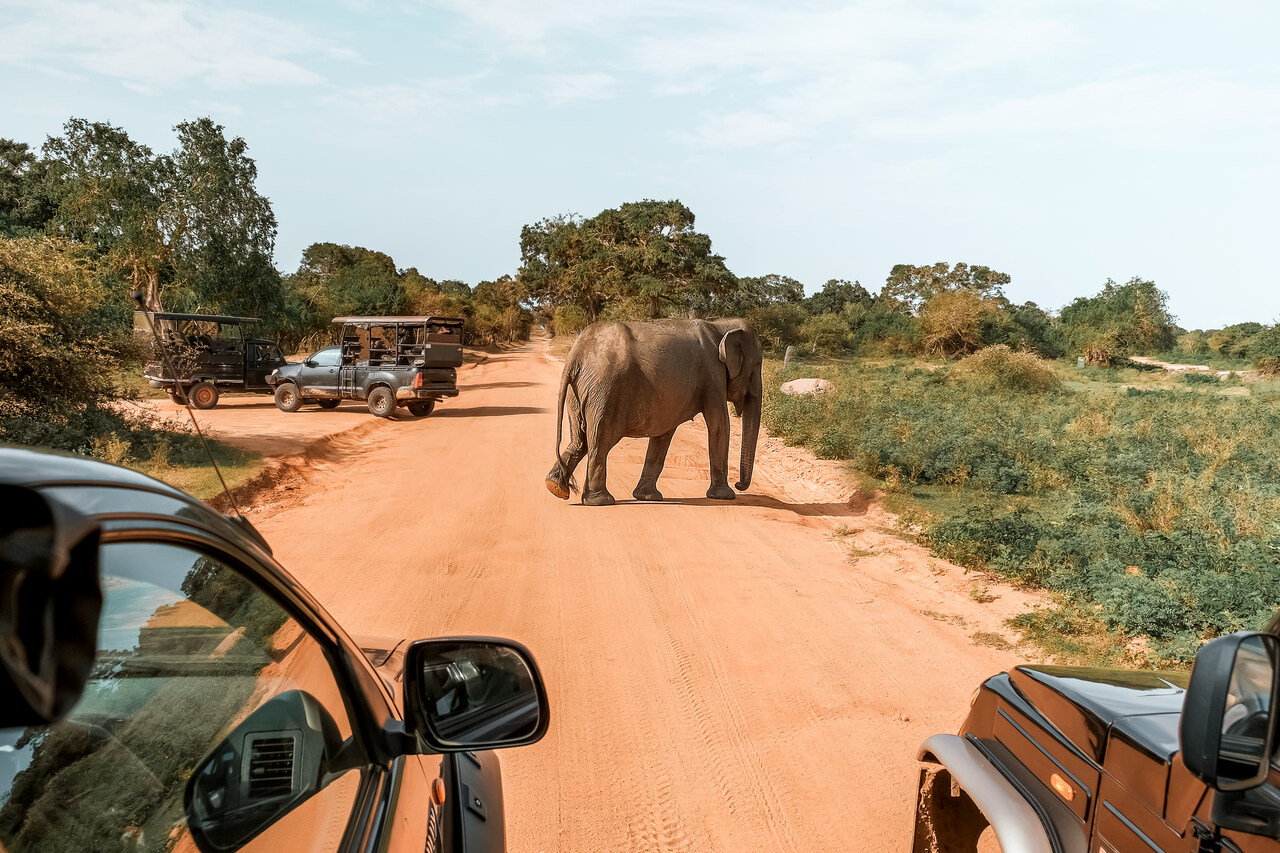
Leopards of Sri Lanka are a unique subspecies and the island’s top predator. With no tigers or lions to compete with, they are often seen in daylight, sometimes lounging on rocks. Yala and Wilpattu give the best chances. Sightings are never guaranteed, but two or three game drives greatly improve your odds.
Sri Lanka elephants are easier. Udawalawe offers near-certain sightings all year, Minneriya and Kaudulla are best from July to September, and wild elephants are sometimes seen beside the road near Habarana and Gal Oya.
Many UK visitors search for an elephant orphanage in Sri Lanka. The best-known, Pinnawala, is popular, but its elephants live permanently in captivity. If you’d prefer to support conservation, we recommend watching feeding time at the Elephant Transit Home at Udawalawe, which cares for orphaned calves and returns them to the wild, and then seeing wild herds on safari. Avoid elephant rides altogether.


Sri Lanka is a birdwatcher’s paradise, with more than 30 endemic species. The birds of Sri Lanka are easiest to spot at Bundala and Kumana wetlands, in Sinharaja rainforest and on Horton Plains. Look out for the Sri Lanka junglefowl, the national bird. Sloth bears are most often seen at Yala and Wilpattu in June and July, when palu trees fruit. On the coast, whale watching from Mirissa between December and April adds blue whales to your list.
Ready to plan? See our guide to Sri Lanka safari holidays for how to book, private jeeps and luxury safari lodges.



For most first-time visitors, two or three game drives in two different parks is the sweet spot. A morning drive at Yala for leopards and an afternoon at Udawalawe for elephants covers the island’s two headline animals in a single day of travel. Keen wildlife lovers and photographers should allow two nights near Yala or Wilpattu for three or four drives, which greatly improves the chances of a leopard or sloth bear sighting. If you’re travelling in August, add Minneriya for the Gathering.
There’s a good park for every month. February to July is best for Yala’s leopards, July to September for the Gathering, and Udawalawe is excellent all year. Our best time to visit Sri Lanka guide shows how safaris fit with the beach and culture seasons.
Choosing the right park at the right time is the difference between a good safari and an unforgettable one. As an SLTDA-licensed specialist based in Colombo, Silk Way Ceylon Tours matches each guest with the best parks for their dates, with trusted trackers and well-timed game drives. Contact us today to plan your tailor-made Sri Lanka itinerary with wildlife at its heart.

Ready to start your adventure? Contact us today to create a tailor-made Sri Lanka tour plan with us, and let’s make your safari dreams a reality.