
Why Sigiriya Lion Rock is a Must-See for UK Travellers

If you're planning your next adventure from the UK, Sri Lanka offers an incredible mix of culture, nature, and history. And when it comes to iconic landmarks, Sigiriya Sri Lanka stands tall as an absolute must-see. Often called the "Eighth Wonder of the World," the Sigiriya Rock Fortress Sri Lanka is more than just a giant rock; it's a testament to ancient ingenuity and a truly captivating experience.

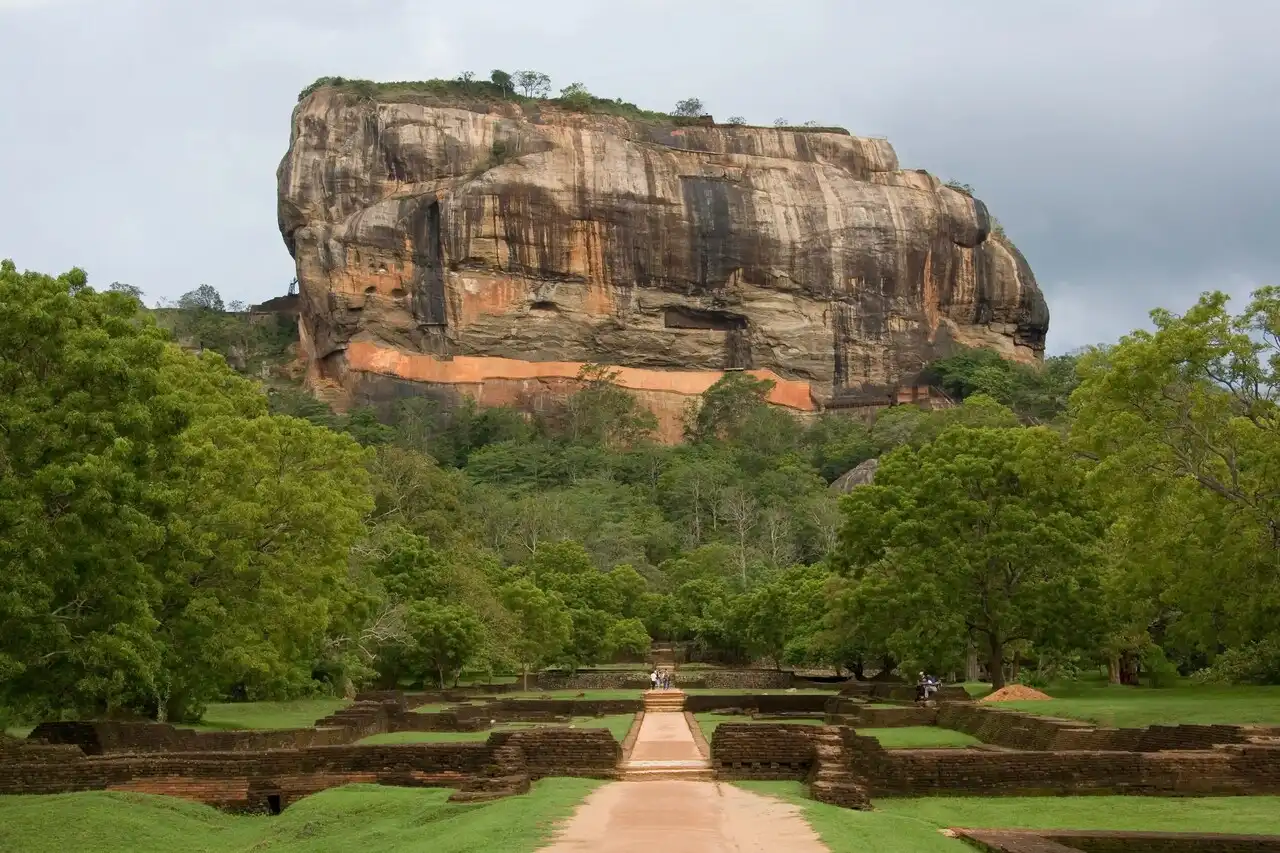
Sigiriya Lion Rock is a 5th-century royal palace built on top of a 200-metre rock in Sri Lanka’s Cultural Triangle, and a UNESCO World Heritage Site. The climb takes about two to three hours there and back, with around 1,200 steps past water gardens, painted frescoes, the Mirror Wall and giant lion paws. Go at opening time, between January and September, for the best conditions. Luxury stays nearby include Water Garden Sigiriya, Jetwing Vil Uyana and Heritance Kandalama.

Of all the sights on a Sri Lanka itinerary, none draws UK travellers quite like Sigiriya. It rises sheer from the jungle plains like something from a film set, and it has been one: Duran Duran stood on its summit for the “Save a Prayer” video. Climbing it at sunrise, with mist lifting off the forest below, is one of the great travel moments in Asia.

This guide covers the history behind the lion rock of Sigiriya, what you’ll see on the way up, how hard the climb really is, the best time to go and the finest places to stay nearby.


What Is Sigiriya Lion Rock?

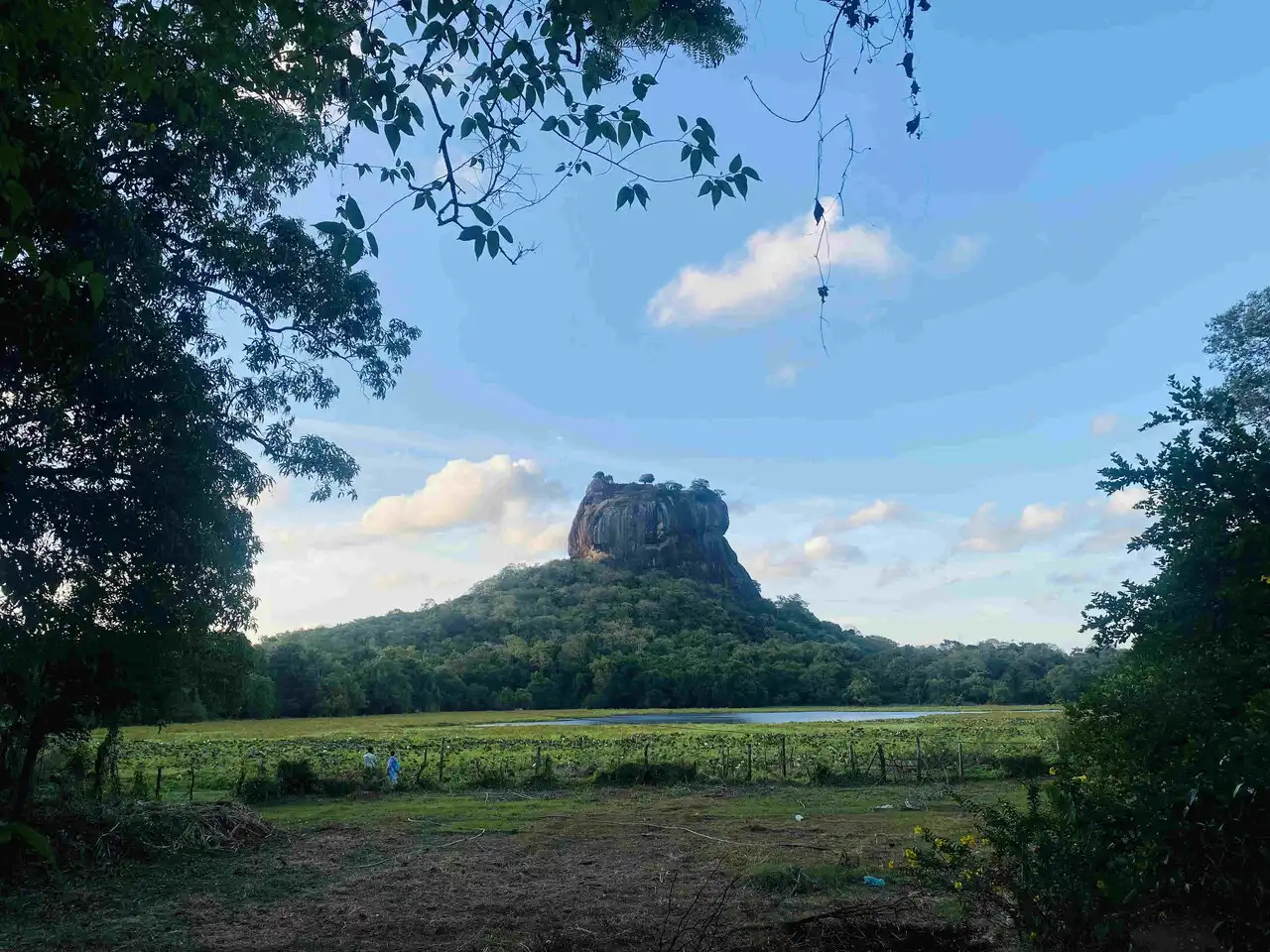
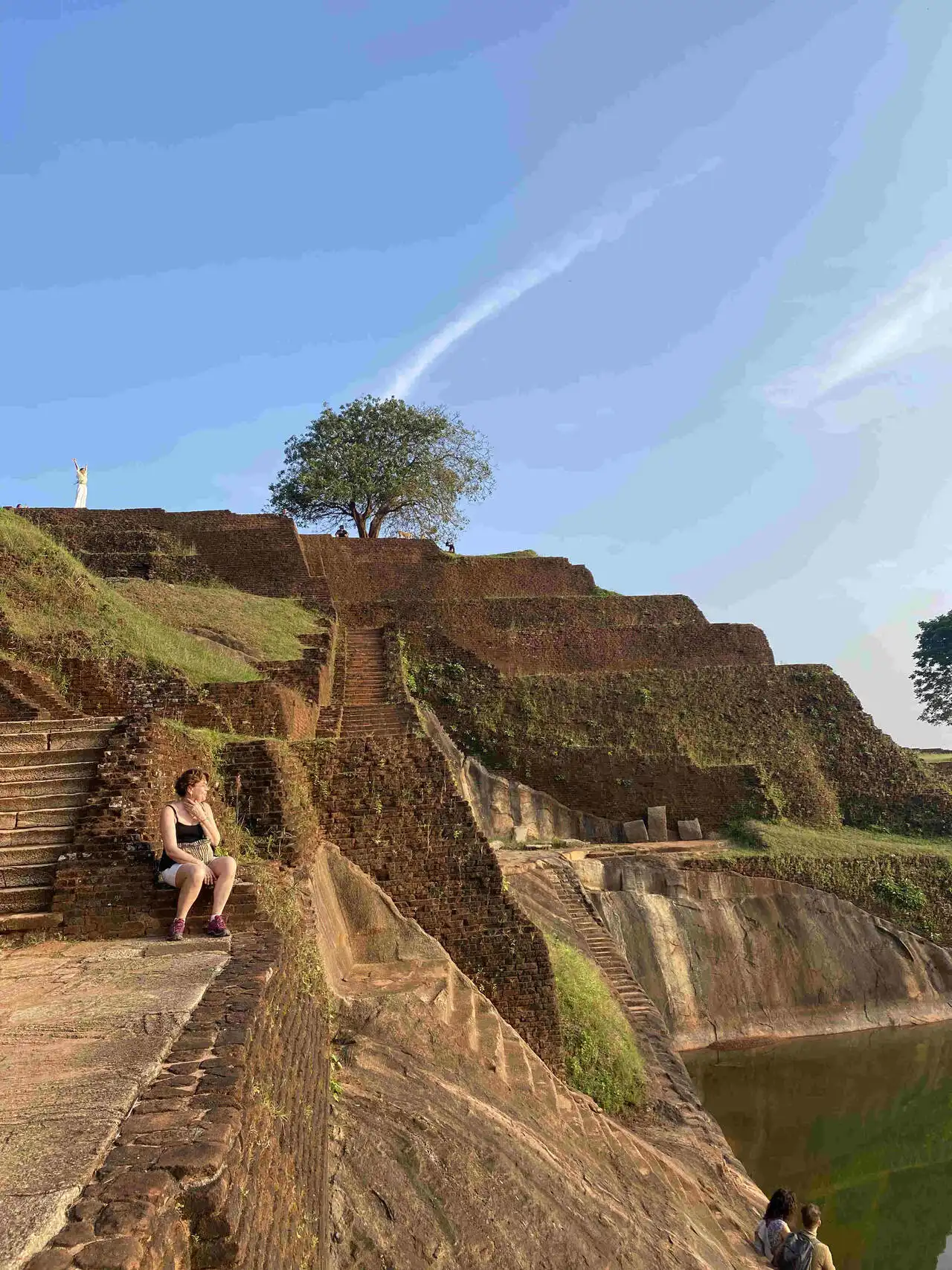
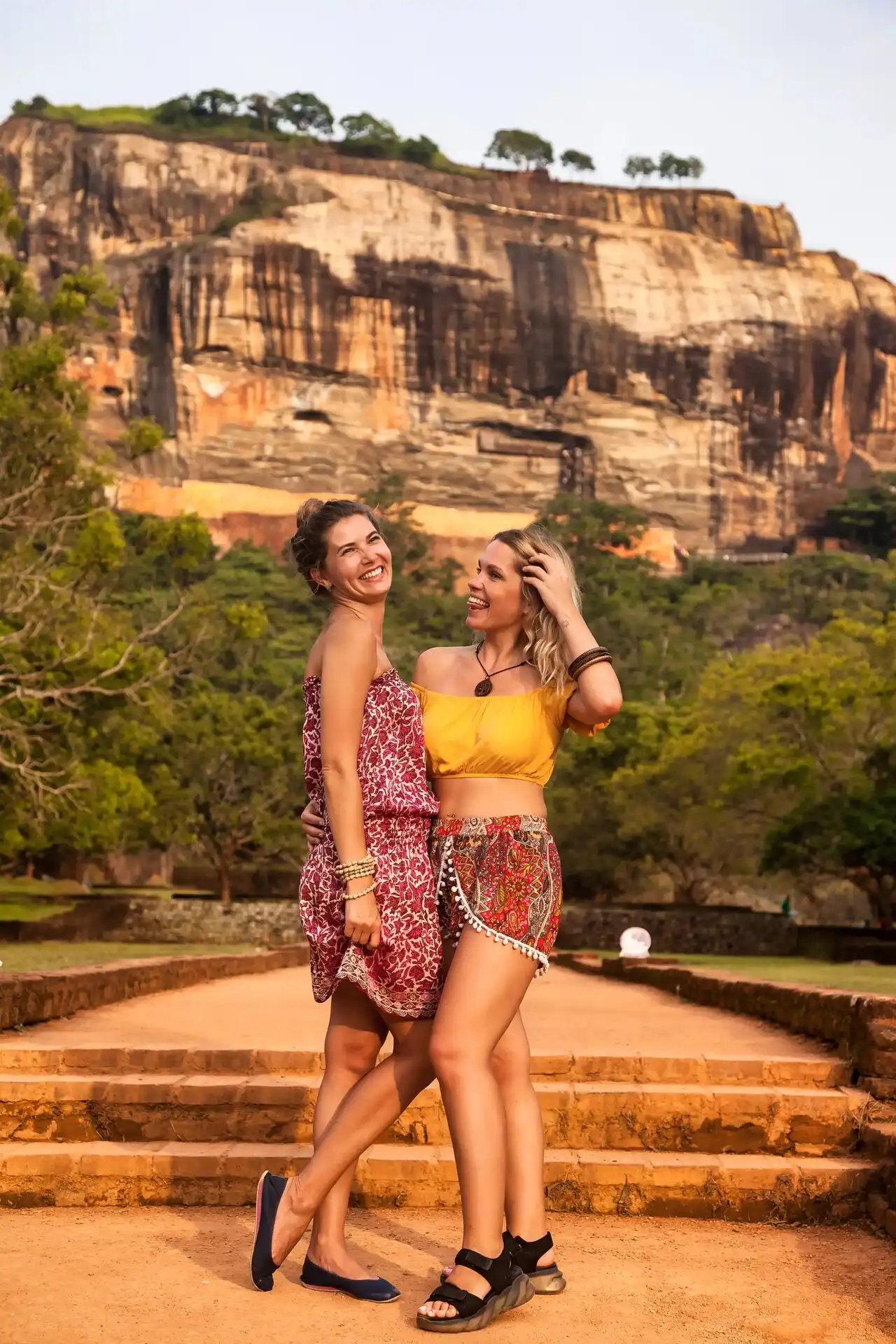
In the late 5th century AD, King Kashyapa chose this volcanic rock as the site for a new capital. He built a palace on the summit, wrapped the base in gardens, moats and ramparts, and carved a gateway in the shape of a giant lion, which gave the site its name: Sinhagiri, or Lion Rock. After his death, the palace was abandoned and the rock became a Buddhist monastery for centuries.

Today, Sigiriya rock in Sri Lanka is a UNESCO World Heritage Site, listed in 1982. It’s one of the best-preserved examples of ancient urban planning in Asia, and it’s often described as the eighth wonder of the world.

What Will You See on the Climb?

The climb is a journey through the old royal city, and each stage has something to stop for:
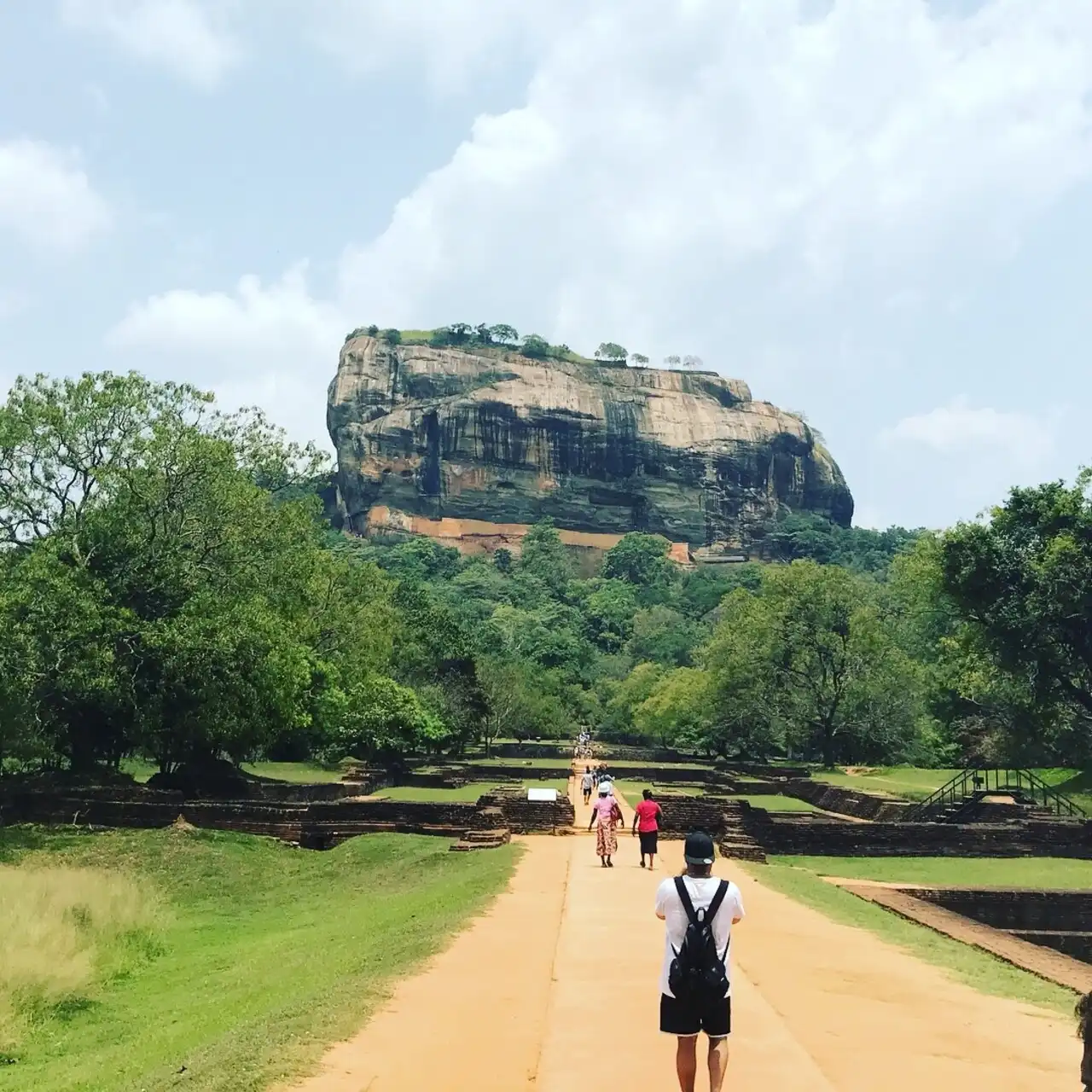
  • Water gardens: Symmetrical pools, fountains and channels at the base, among the oldest landscaped gardens in the world. Some fountains still work after heavy rain.
  • Boulder gardens: Winding paths between huge boulders, with caves and old rock shelters used by monks.
  • The frescoes: Halfway up, a spiral staircase leads to a sheltered pocket in the rock face where vividly painted women, the “Sigiriya maidens”, have survived for about 1,500 years.
  • The Mirror Wall: Once polished so brightly the king could see his reflection. It’s covered in verses scratched by visitors more than a thousand years ago.
  • The Lion’s Paws: Two enormous carved paws on a terrace mark the final gateway. The lion’s head has long gone, but the scale is still breathtaking.
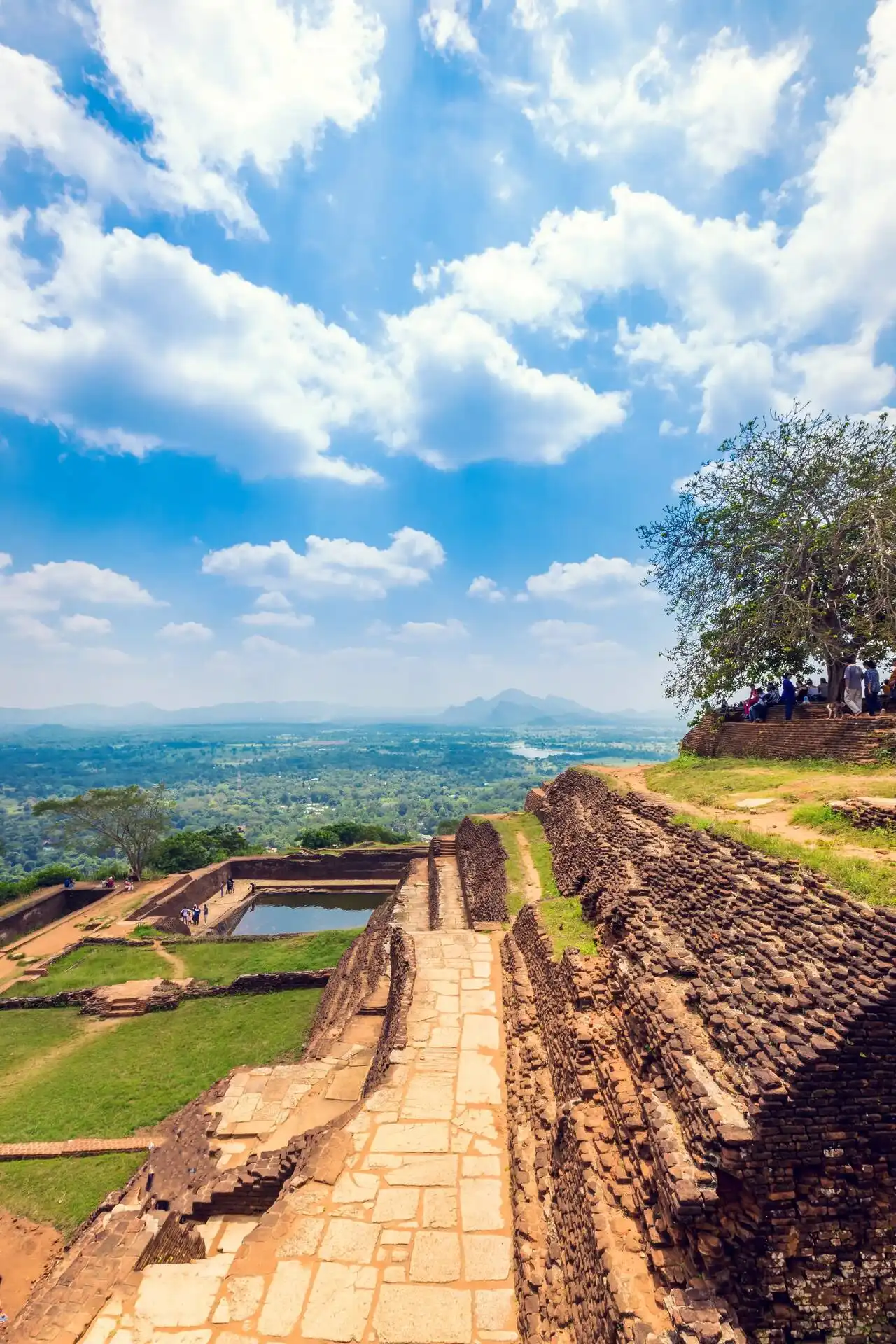
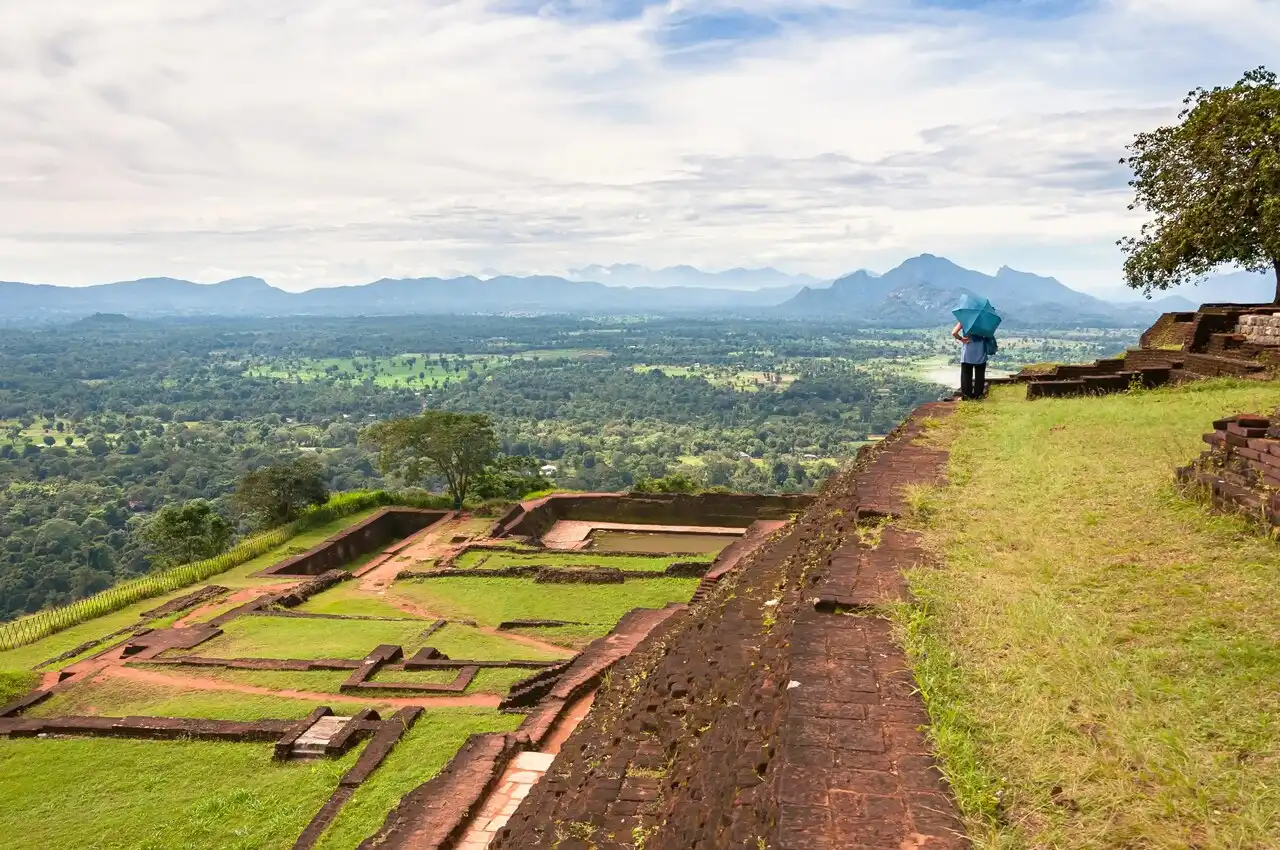
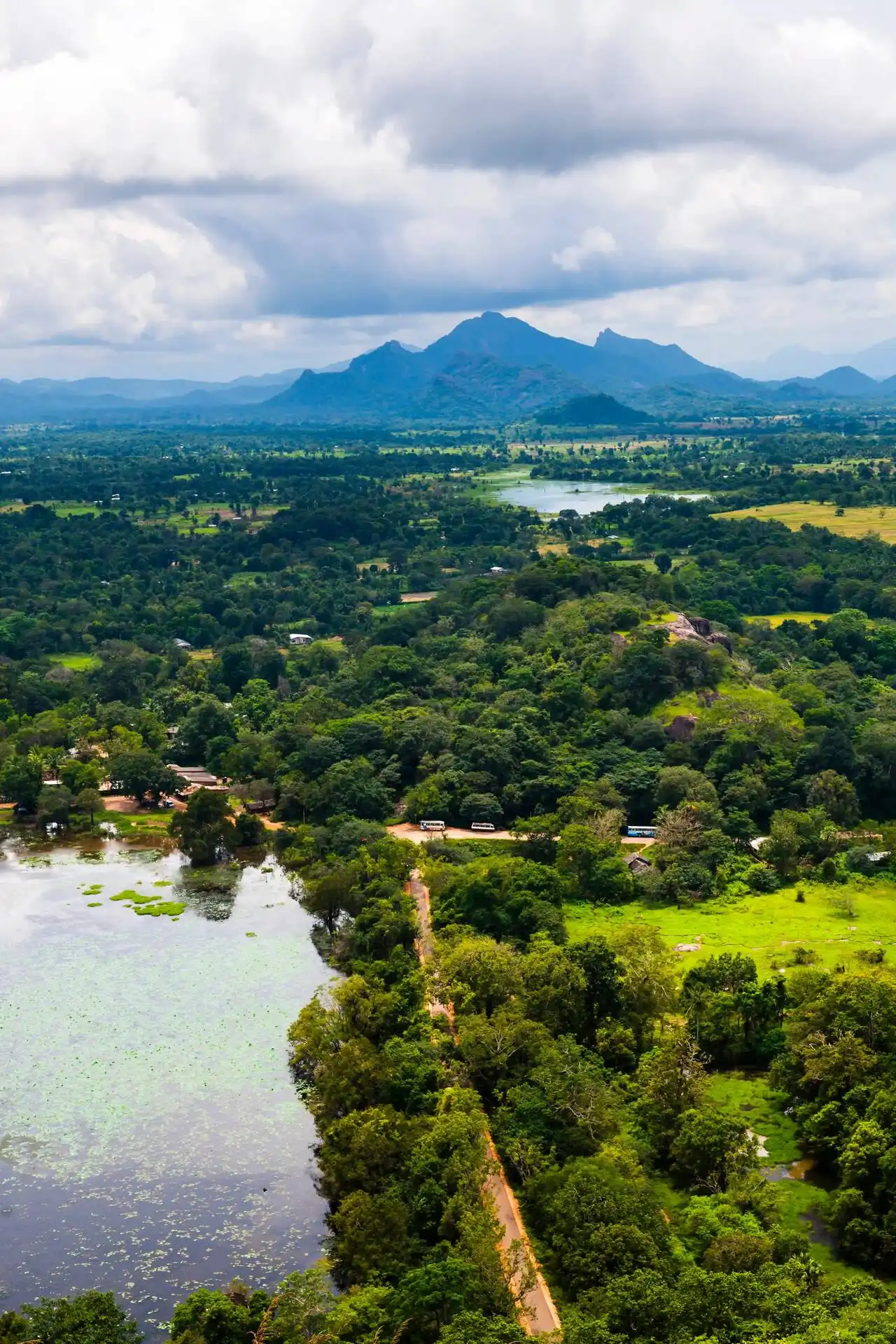
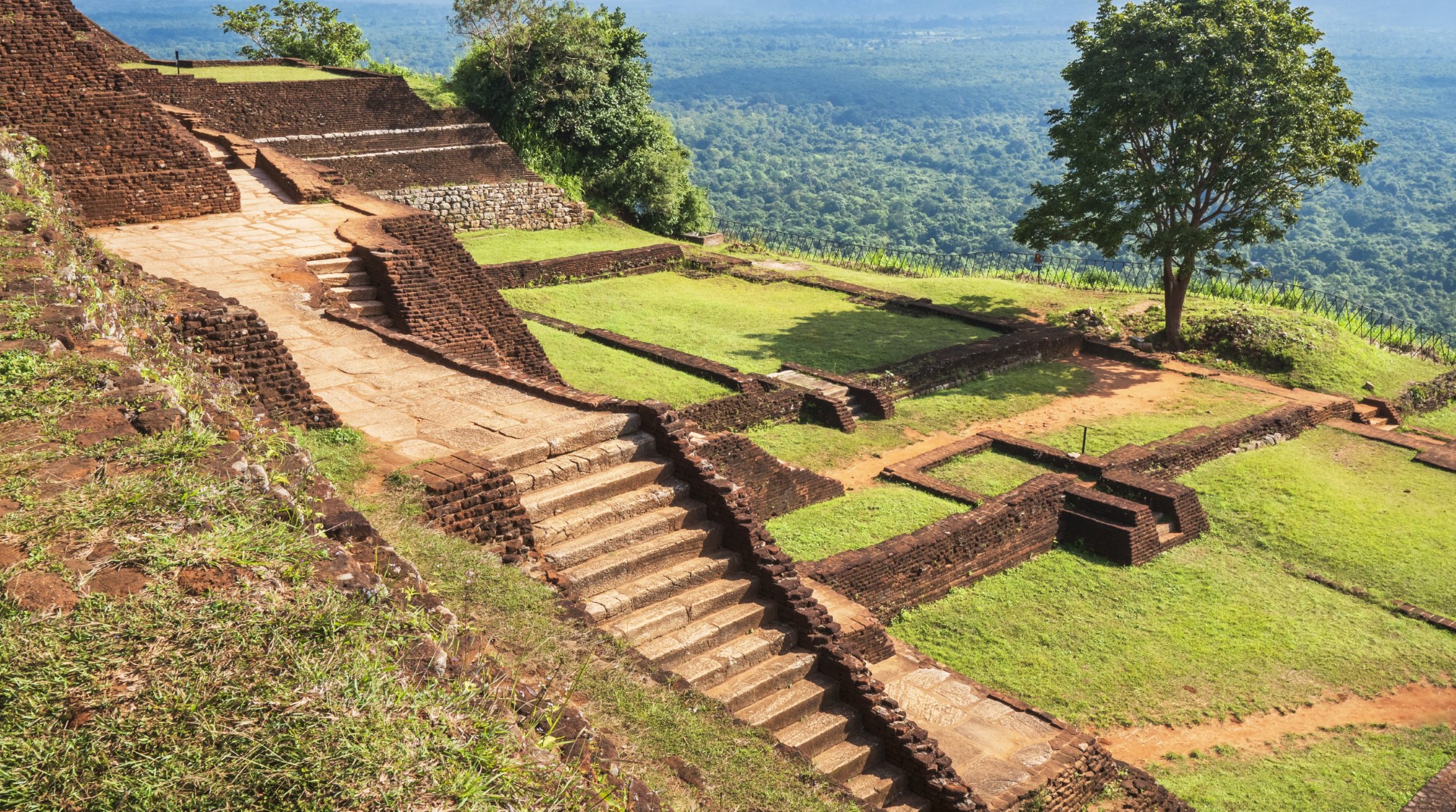
  • The summit: The foundations of the palace, a large rock-cut pool and a 360-degree view over jungle, lakes and distant hills.

How Hard Is the Sigiriya Rock Climb?

Sigiriya at a glance


Height

About 200 metres above the surrounding plain

Steps

Around 1,200, including some steep metal stairways

Time needed

Two to three hours there and back, with stops

Difficulty

Moderate; fine for most people with average fitness

Best time of day

Opening time, around 7am, or late afternoon

Children

Usually fine from about six years old

The climb is steady rather than technical, with plenty of places to rest. The exposed staircases near the top can feel airy if you don’t like heights, but they are well railed. If you’d rather not go to the summit, the water gardens, frescoes and lion paws are still well worth the visit. For the classic photograph of the rock itself, climb nearby Pidurangala, a shorter, rougher scramble with the best view of Sigiriya.

Is Sigiriya Lion Rock Worth Visiting?

Without question. Few places in the world combine history, art, engineering and landscape so dramatically. The frescoes alone would make a visit worthwhile, and the summit view is one of the finest in Sri Lanka. Even guests who usually avoid crowds and climbs tell us it was the highlight of their trip. The key is timing: an early start with a good guide turns a hot, busy climb into a calm and fascinating morning.

Tips From Our Guides

  • Go early: Be at the gate when it opens. By 10am the stairways are busy and the rock is in full sun.
  • Watch out for hornets: Wild hornets nest on the rock face. Keep noise down near the signs, and follow your guide’s advice.
  • No photos of the frescoes: Photography is not allowed in the fresco gallery, to protect the paintings.
  • Take your time at the base: The water and boulder gardens are often rushed, but they’re some of the most remarkable parts of the site.
  • Pace yourself: Rest on the Lion’s Paws terrace before the final climb; it’s the steepest section.

When Is the Best Time to Visit Sigiriya?

The Cultural Triangle is driest from January to September, so it can be visited during both the British winter and the summer holidays. October to December brings more rain, although mornings are often clear. Whatever the month, arrive at opening time: the rock is in shade, the air is cool and you’ll be ahead of the tour groups. Our guide to the best time to visit Sri Lanka covers the seasons region by region.
Where to Stay Near Sigiriya: Luxury Hotels and Villas

Staying close to the rock lets you climb at first light, and the area has some of the island’s most memorable luxury boutique hotels in Sri Lanka:

  • Water Garden Sigiriya: Private villas, many with their own plunge pool, set among rice paddies with views of the rock.
  • Jetwing Vil Uyana: Private dwellings built over man-made wetlands and paddy fields, known for its birdlife.
  • Heritance Kandalama: Geoffrey Bawa’s celebrated jungle hotel near Dambulla, built into a cliff above a reservoir.
  • Cinnamon Lodge Habarana: A spacious resort in gardens near Habarana, convenient for both Sigiriya and the Minneriya elephant safaris.
  • Uga Ulagalla: Private villas on a 58-acre estate about an hour north, ideal if you’re combining Sigiriya with Anuradhapura.

See where these fit into a wider trip in our guide to Sri Lanka luxury holidays.

Luxury Ways to Experience Sigiriya

A little planning turns a busy sightseeing stop into something special:

  • Private guide at opening time: Climb with a guide who brings King Kashyapa’s story to life, before the crowds arrive.
  • Sunrise hot-air balloon: Seasonal balloon flights over the jungle and lakes around Dambulla and Sigiriya.
  • Helicopter flights: Helicopter tours in Sri Lanka can include a scenic flight past the rock, the view Duran Duran made famous.
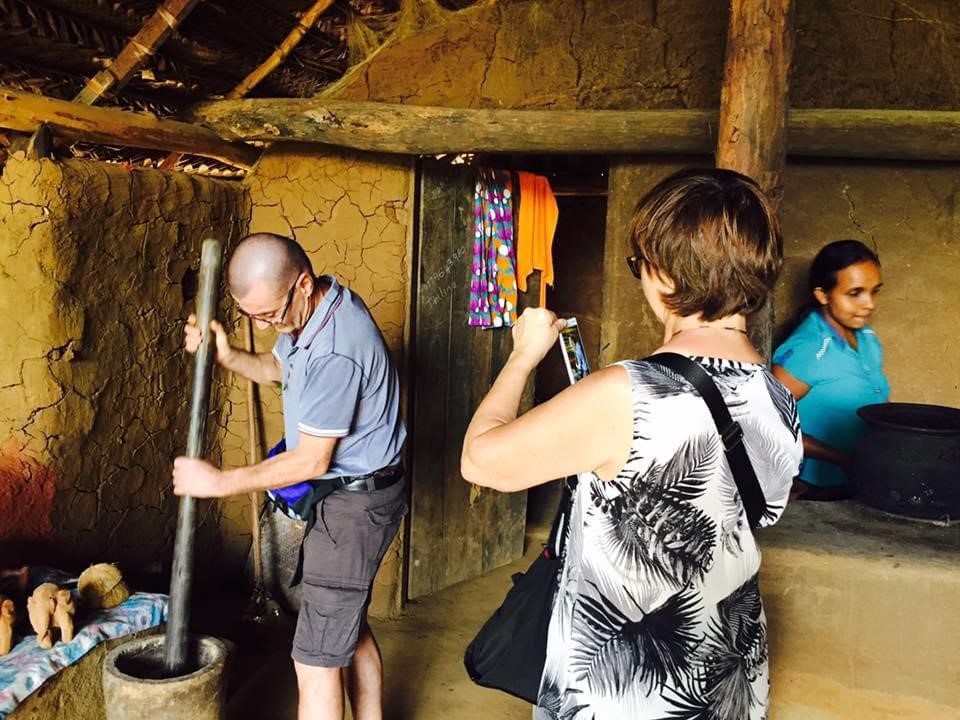
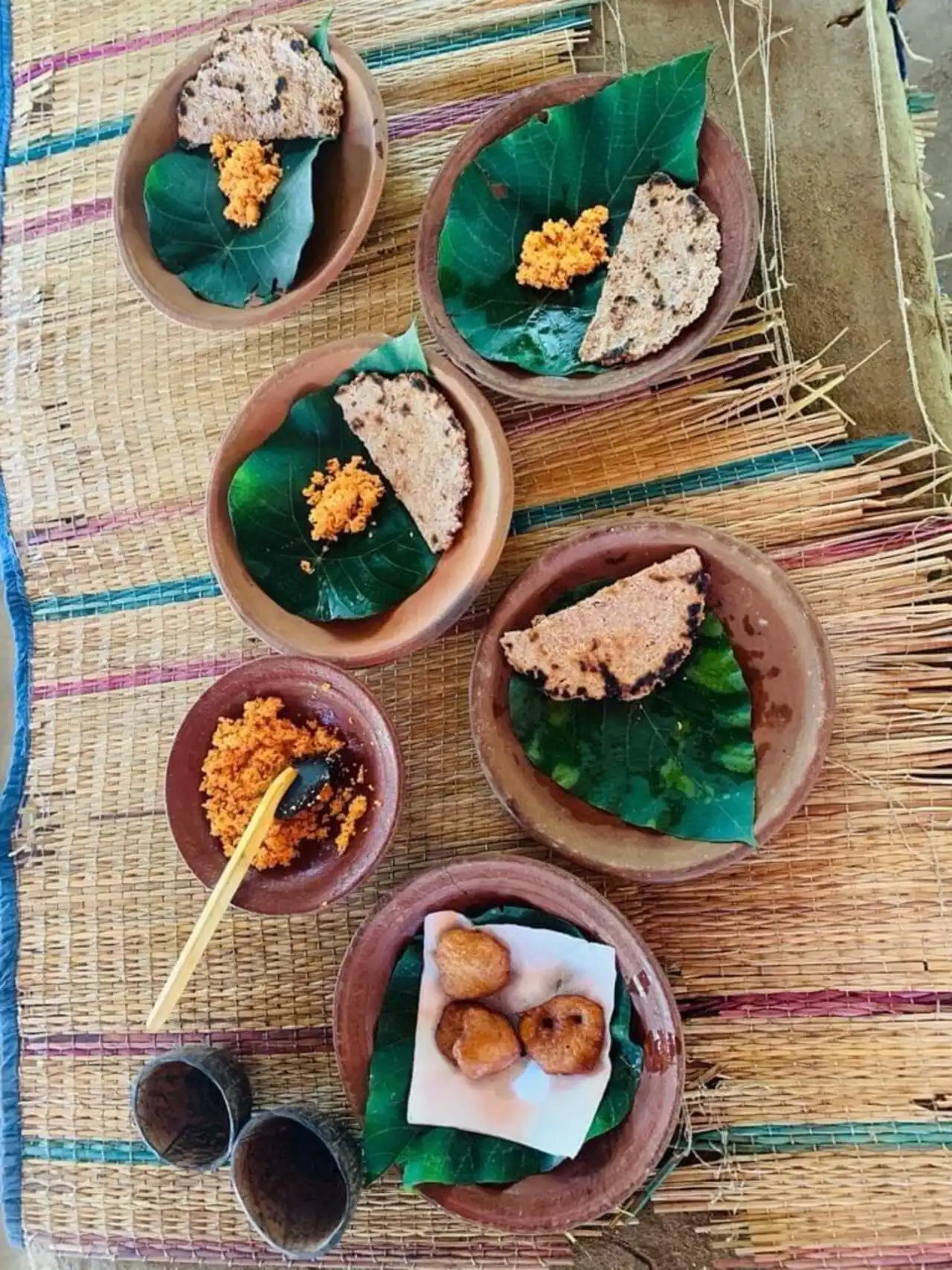
  • Village lunch: A home-cooked rice and curry lunch in a nearby village, often reached by bullock cart or catamaran across a lake.

What Else Is There to See Near Sigiriya?

Sigiriya sits at the heart of the Cultural Triangle, so it’s the perfect base for exploring:

  • Dambulla Cave Temple: Five caves filled with golden Buddha statues and painted ceilings, about 30 minutes away. The Dambulla cave temple is also a UNESCO World Heritage Site.
  • Polonnaruwa: The medieval royal capital, best explored by bicycle, about an hour’s drive away.
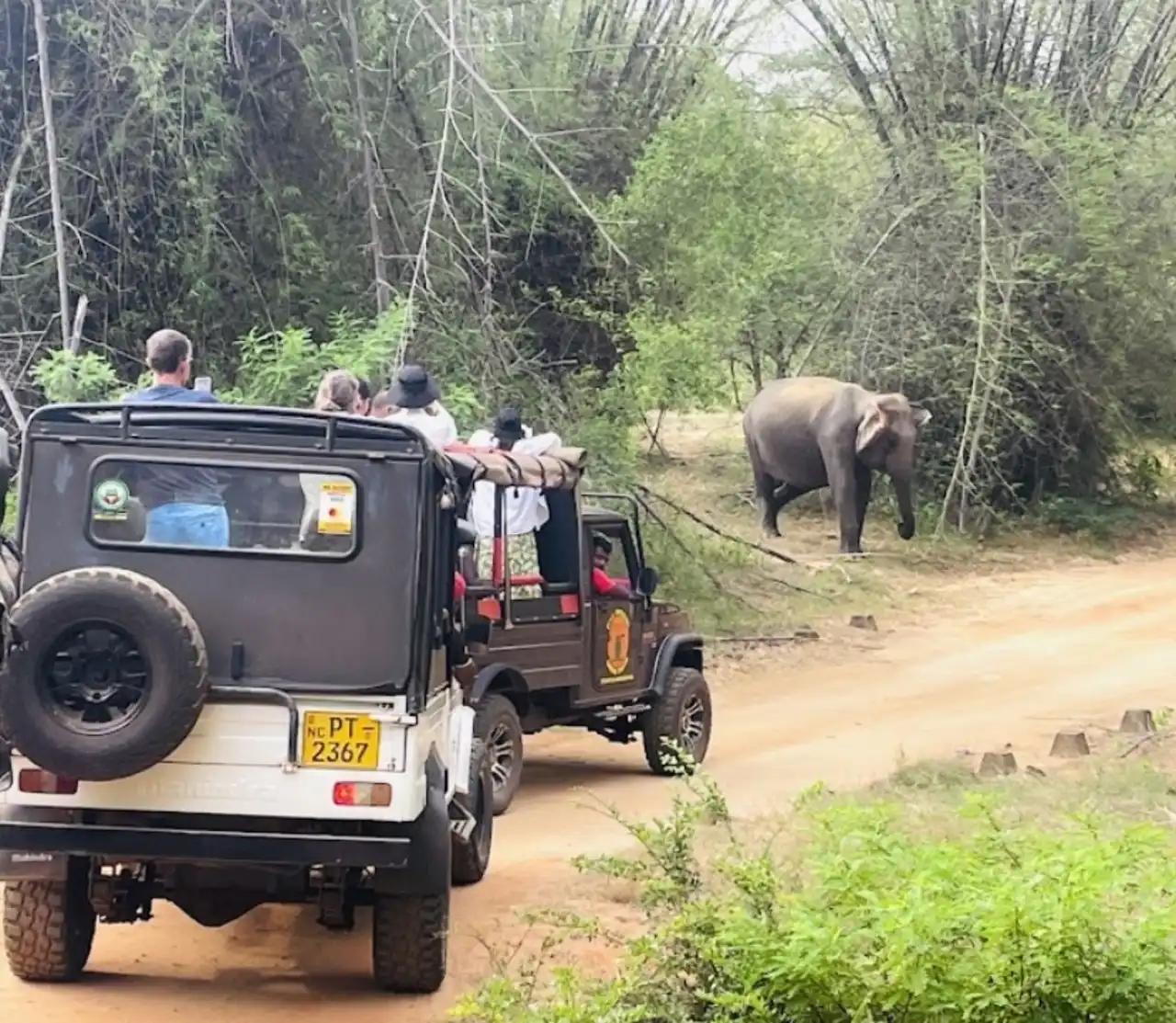
  • Minneriya and Kaudulla: Elephant safaris, with the famous Gathering from July to September.
  • Anuradhapura: The ancient sacred city, with giant stupas, about two hours north.

For a full route through the region, see our Cultural Triangle tour guide.
Planning Your Visit From the UK

  • Getting there: Direct flights from London Heathrow to Colombo take about 11 hours. Sigiriya is roughly four hours’ drive from the airport, or a short helicopter transfer.
  • Entry: UK citizens need an Electronic Travel Authorisation (ETA). Since 25 May 2026 the tourist ETA has been free for British passport holders.
  • What to bring: Water, a hat, sun cream and comfortable shoes with good grip. Dambulla Cave Temple requires covered shoulders and knees.
  • How long to stay: Two nights near Sigiriya gives you time for the rock, Dambulla and a safari without rushing.


Plan Your Visit to Sigiriya Lion Rock

Sigiriya Lion Rock is the kind of place UK travellers remember long after they’re home. As an SLTDA-licensed specialist based in Colombo, Silk Way Ceylon Tours can arrange an early-morning climb with an expert guide, a stay at one of the area’s finest hotels and a private route through the rest of the Cultural Triangle. Contact us today to plan your tailor-made Sri Lanka itinerary.

Contact Us Today to start planning your dream Sri Lankan adventure. We, as a dedicated Sri Lanka Tour packages provider, are here to make your dream holiday a reality.

Related Tour Packages

https://silkwayceylontours.com/booking/sri-lanka-tour-package-14-nights-15-days/

 

FAQs from UK Travellers on Sigiriya Lion Rock

The best time for UK travellers to climb Sigiriya Lion Rock is during the dry season, from late December to early April, as well as July and August. To avoid the heat and the largest crowds, we highly recommend starting your ascent as early as possible in the morning or in the late afternoon. This is a crucial tip for any Sri Lanka tour.
The climb to the top of Sigiriya Lion Rock is challenging but certainly manageable for most people with average fitness. The path consists of over 1,200 steps, including some steep metal stairways. It's a workout, but taking your time and stopping at the rest areas makes it a rewarding experience for any UK traveller on their Sri Lanka holidays.
Yes, a Sigiriya day trip from Kandy is a very popular option for UK travellers. Many Sri Lanka tour packages include a private car and driver for this purpose. The journey from Kandy takes around 2-3 hours, allowing you to visit both Sigiriya and the nearby Dambulla Cave Temple in a single, well-planned day.
While the final ascent to the summit of Sigiriya Lion Rock involves some steep, exposed staircases, the breathtaking views and incredible historical significance make it a worthwhile visit even for those with a fear of heights. You can still explore the stunning water gardens, boulder gardens, and the famous frescoes at the base, which are a major part of the experience.
Besides the climb itself, there are many other great things to do in Sri Lanka's Cultural Triangle. You can visit the nearby Pidurangala Rock for a fantastic view of Sigiriya, explore the Dambulla Cave Temple, take a village tour, or go on a Yala Safari tours Sri Lanka in a nearby national park like Minneriya or Kaudulla to see elephants.
Yes, as of recently, Sri Lanka has approved a visa fee waiver for citizens of 40 countries, which includes the UK. Travellers from the UK will still need to obtain an Electronic Travel Authorization (ETA) before their trip, but the fee for this application will be waived. This makes it easier than ever to travel to Sri Lanka from UK.
For the Sigiriya Lion Rock climb, we recommend wearing comfortable, light clothing and sturdy, closed-toe shoes. A hat, sunglasses, and sun cream are essential, especially during the middle of the day. Be sure to carry a bottle of water as you will get thirsty, and a small backpack is useful for carrying your essentials.
Booking a private tour Sri Lanka with us ensures a completely personalised and hassle-free experience. A knowledgeable local guide can provide fascinating historical context, help you avoid crowds, and manage all transportation and ticket logistics. This allows you to focus entirely on enjoying the beauty and history of Sigiriya Sri Lanka.
Yes, there are many fantastic hotels near Sigiriya Sri Lanka that cater to Sri Lanka family tour groups from the UK. Many offer spacious family rooms, swimming pools, and beautiful natural surroundings. A Sri Lanka Travel Agent can help you find the perfect accommodation to suit your family's needs and budget.
Absolutely. Combining a visit to Sigiriya Lion Rock with a safari is one of the most popular itinerary choices for UK travellers. You can easily add a Sri Lanka wildlife tours experience to your trip at a nearby national park like Minneriya or Kaudulla, famous for their large elephant herds. This is a must-do for any nature lover on their Sri Lanka holidays.